AI's Role in Enhancing Visual Perception
In a recent art exhibition, an innovative project showcased the potential of AI in enhancing our understanding of visual information. Attendees could simply point their phones at an artwork, and the technology would identify and describe what they were viewing. This interactive experience proved so engaging that visitors continued to use it even after the exhibition ended.
Breaking news
 Trump Orders Federal Agencies to Adopt „Super Intelligence” Terminology
 The Silicon Valley Accountability Gap
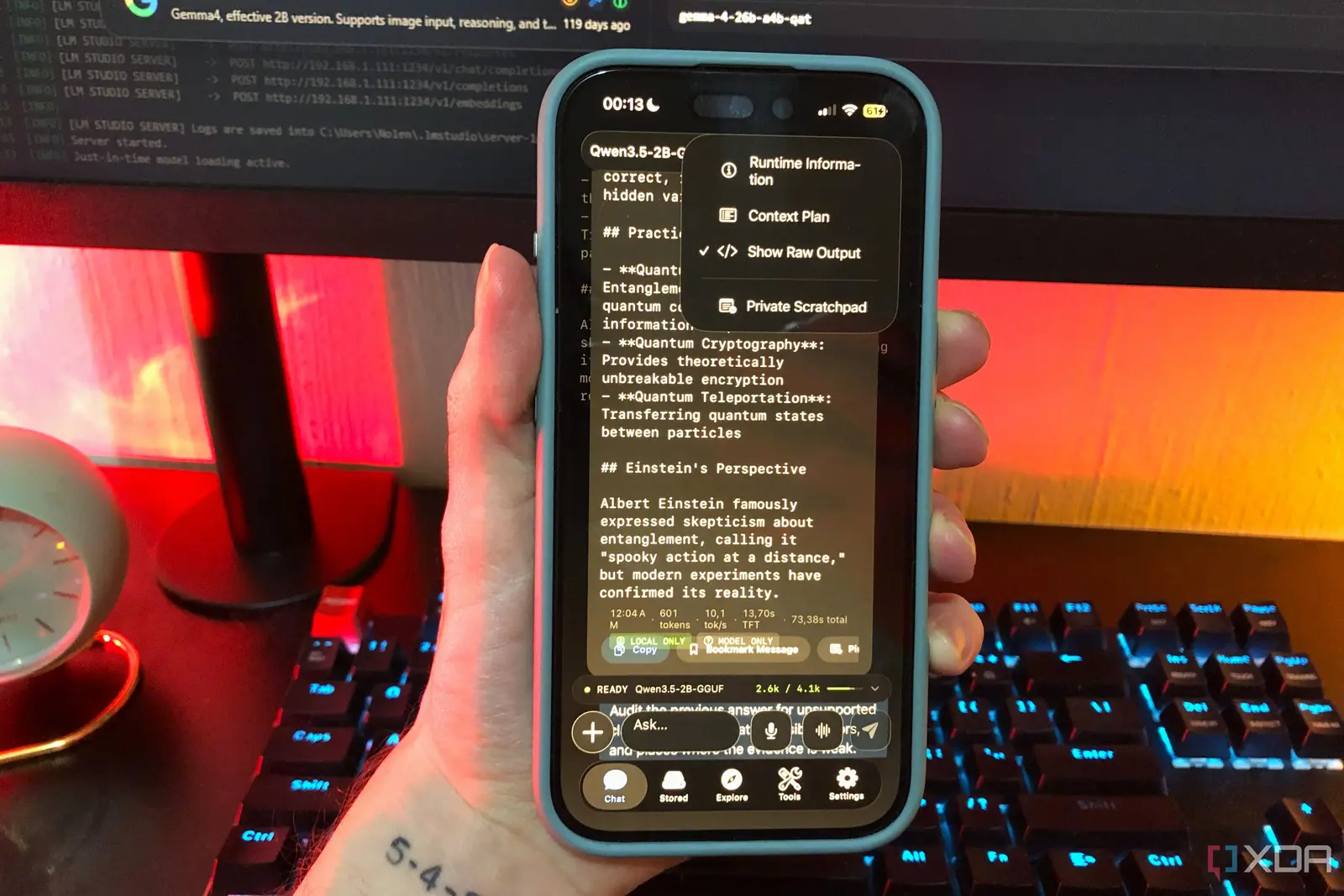 Running a Local AI Model on a Phone Handles Most Chat Prompts
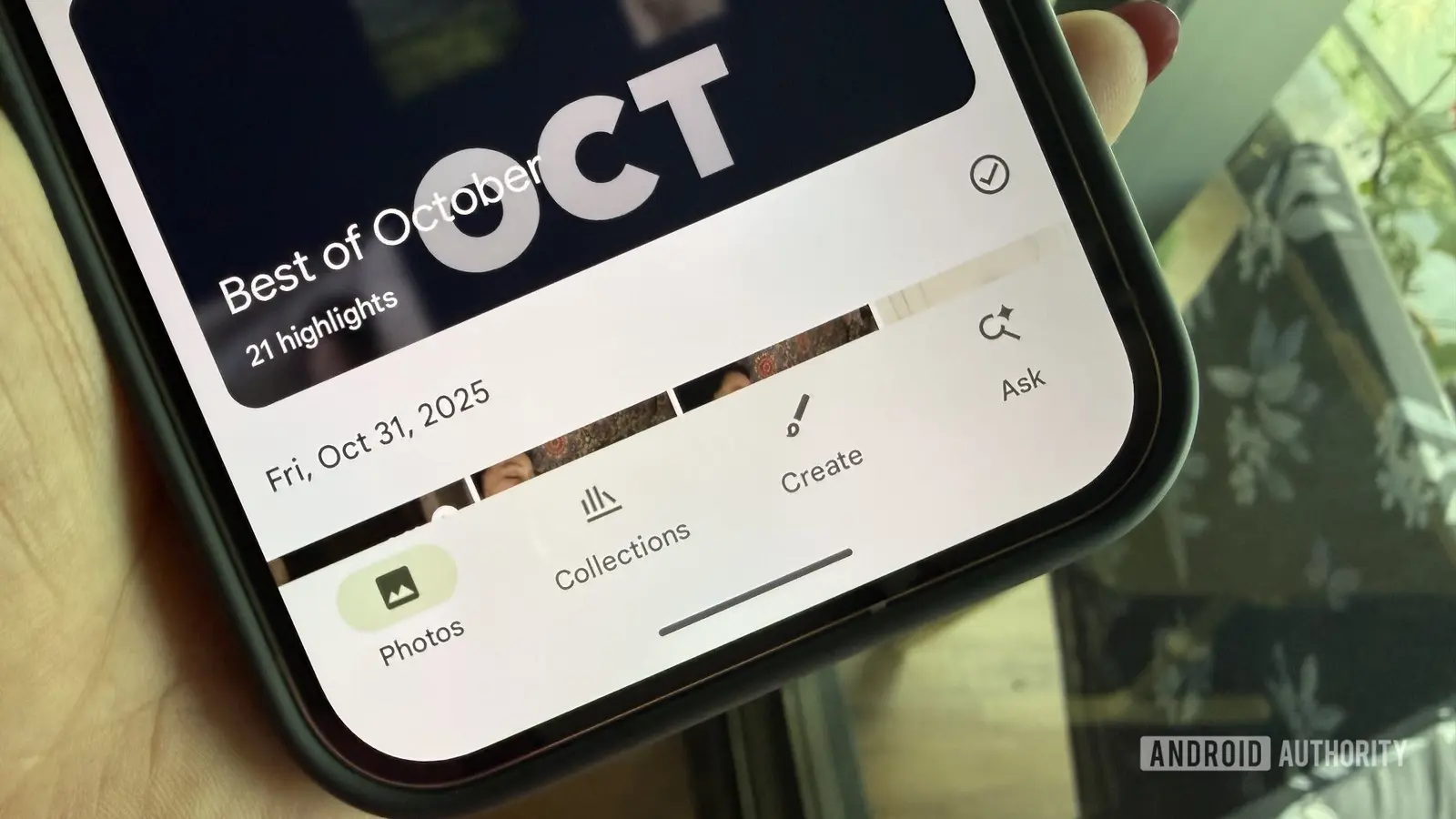 Google Photos Could Soon Offer a Fresh Start with Ask Photos Feature
The shift from traditional camera capabilities to AI-driven insights signifies a new era in photography and visual technology. As artificial intelligence evolves from training models to real-time inference, the effectiveness of cameras is increasingly assessed by their ability to be interpreted by machines. This transition is reshaping how we interact with images and the information they convey.
At the heart of this transformation is the growing reliance on AI algorithms to analyze and interpret visual data. Cameras equipped with advanced sensors are now judged not just by image quality, but by how well they can communicate with AI systems. This means that the future of photography will likely prioritize compatibility with machine learning technologies, allowing for smarter, more intuitive interactions.
Will AI-Driven Cameras Change the Way We Create Art?
The art exhibition demonstrated this concept effectively. Attendees were able to engage with the artwork in a way that transcended traditional viewing. The AI provided context and information, enriching the experience and fostering a deeper connection to the art. This kind of technology could revolutionize how we consume visual culture, making art more accessible and understandable to a broader audience.
As the capabilities of AI continue to expand, questions arise about the implications for artists and creators. Will they embrace these tools to enhance their work, or will there be resistance to technology's influence on artistic expression? The answer may depend on how artists perceive the relationship between their creative intent and the interpretations provided by AI.
Moreover, the integration of AI into the creative process could open new avenues for collaboration between humans and machines. Artists might find inspiration in the unique perspectives offered by AI, leading to innovative works that blend human creativity with machine intelligence. This synergy could redefine the boundaries of art and technology.
Frequently Asked Questions
In conclusion, the evolution of camera technology toward AI understanding has significant implications for both creators and audiences. As we move forward, the ability of cameras to interact with AI will likely dictate their relevance in the art world and beyond. The future promises exciting possibilities for enhancing our understanding of visual experiences.
How does AI enhance the understanding of visual information? AI can analyze images and provide contextual information, making it easier for viewers to engage with and understand visual content.
What impact will AI have on artists? AI could serve as a tool for artists, offering new ways to create and interpret their work. However, it may also challenge traditional notions of artistic authenticity.