Why the Shift in Terminology Matters
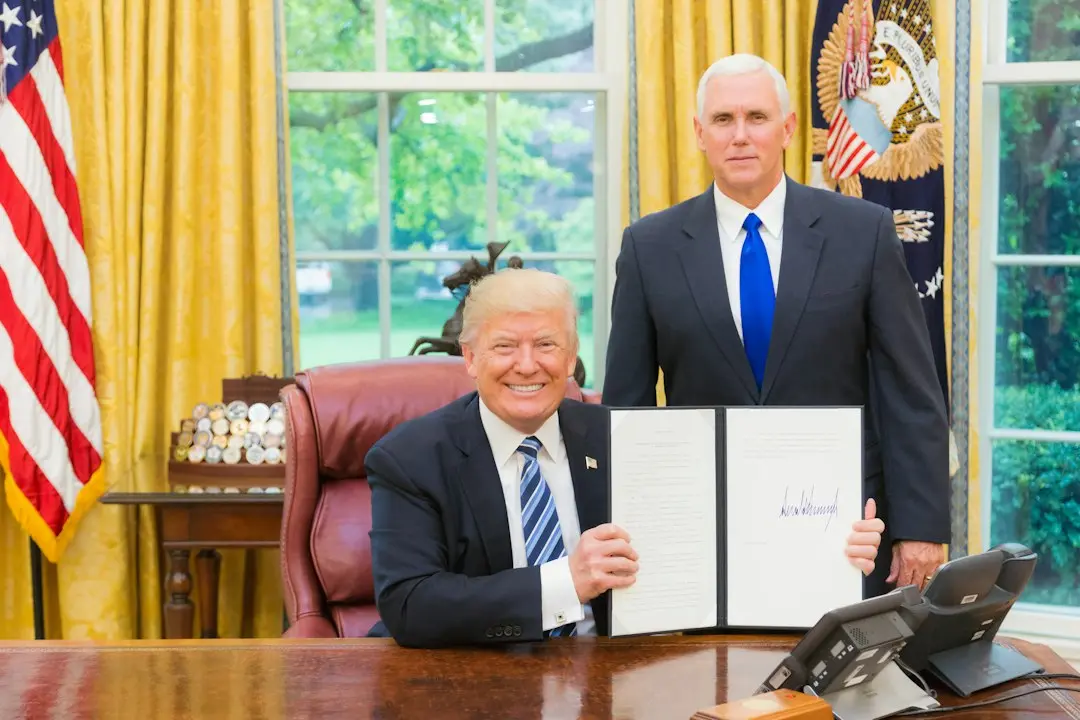
President Donald Trump met with top artificial intelligence executives this week to announce a shift in terminology, declaring that the U. S. government will no longer use the term „artificial intelligenceand instead adopt ”super intelligencein official discourse. The meeting, held at the White House, included leaders from major tech firms developing advanced AI systems. The rebranding effort comes amid growing public concern over AI risks and aims to reshape the technology's image through language and voluntary safety commitments.
Breaking news
 Canonical’s Web Presence Hit by Second DDoS Assault This Year
 Loops AI Secures $3.5 Million to Power a New AI Operating System for E‑Commerce
 Winverse AI Secures Tens of Millions in Seed Funding from DeepSeek and Long‑Z
 Google Adds Pixel 9 Series to Certified Refurbished Store
The administration framed the change as part of a broader strategy to position the U. S. as a leader in next-generation AI while addressing safety concerns through a non-binding agreement. Officials said the new term reflects aspirations for AI systems that surpass human cognitive abilities across multiple domains. Participants discussed potential safeguards, though the safety pact remains voluntary and lacks enforcement mechanisms. Critics argue the rebranding may prioritize perception over substance, especially as debates continue over regulation, transparency, and accountability in AI development.
Can Voluntary Safety Pacts Build Public Trust?
The move to replace „artificial intelligencewith ”super intelligencesignals an attempt to elevate public perception and align with ambitious technological goals. Administration officials suggested the new label emphasizes advancement and leadership, distancing the term from current limitations and ethical controversies. By focusing on future capabilities, the rhetoric aims to inspire confidence in U. S. innovation while downplaying immediate risks. However, experts note that without concrete regulatory frameworks, such linguistic shifts may do little to address underlying safety and governance challenges.
The administration promoted a non-binding safety agreement as a complement to the rebranding effort, encouraging companies to adopt responsible practices without legal obligation. Supporters say voluntary pacts can foster industry cooperation and flexibility in fast-moving fields. Yet skeptics question whether such measures are sufficient to prevent misuse or ensure transparency, especially given past incidents involving AI bias, misuse, and opaque decision-making. The effectiveness of the pact will depend on participant compliance and public scrutiny over time.
What Are the Risks of Rebranding Without Regulation?
Renaming AI without accompanying oversight could undermine credibility if advancements fail to match the elevated terminology. There is concern that the shift may be interpreted as an effort to avoid accountability by altering language rather than addressing substantive issues. Public trust in AI depends not only on perceived progress but also on visible safeguards and ethical standards. Without enforceable rules, the rebranding risks being seen as a superficial tactic rather than a genuine commitment to safe development.
What does the term 'super intelligence' mean in this context? It refers to artificial intelligence systems that exceed human cognitive capabilities across a wide range of tasks, as envisioned by the administration to reflect future aspirations rather than current technology.
Frequently Asked Questions
Is the safety pact legally enforceable? No, the agreement is non-binding and relies on voluntary participation from companies, with no penalties for non-compliance outlined by the administration.
How has the public responded to the rebranding effort? Reaction has been mixed, with some viewing it as ambitious leadership and others criticizing it as a distraction from needed regulatory action on AI risks.

