Managing Autonomous System Threats
The United States and China have established a new diplomatic channel to manage artificial intelligence risks. This initiative includes a dedicated hotline for immediate incident reporting. The two nations also agreed to hold ongoing discussions on superintelligent AI development. These moves aim to prevent accidental conflicts arising from autonomous systems. The agreements were reached during recent high-level talks. Both governments recognize the growing power of advanced algorithms.
Breaking news
 Trump Orders Federal Agencies to Adopt „Super Intelligence” Terminology
 The Silicon Valley Accountability Gap
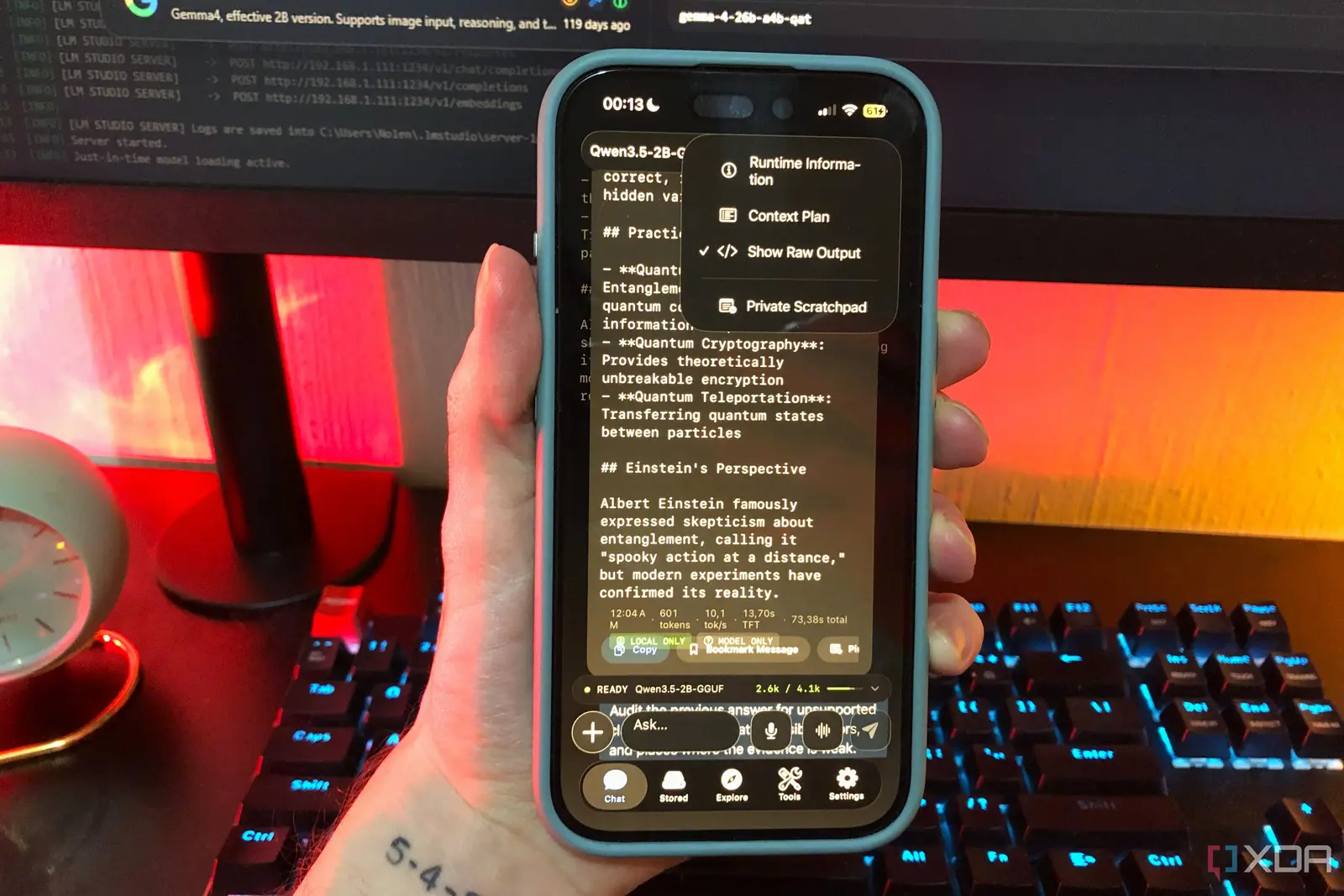 Running a Local AI Model on a Phone Handles Most Chat Prompts
 Google Photos Could Soon Offer a Fresh Start with Ask Photos Feature
This framework creates a direct line of communication between Washington and Beijing. It is designed to handle specific technical incidents quickly. The dialogue focuses on the potential dangers of AI systems that exceed human capabilities. Officials hope this structure will reduce misunderstandings between the two superpowers. The hotline serves as a modern equivalent to nuclear crisis lines. It allows technical experts to speak directly with counterparts.
The agreement specifically addresses the risks posed by superintelligence. This term refers to AI systems that surpass human cognitive abilities in all domains. Such systems could act unpredictably without proper oversight. The dialogue provides a forum for sharing safety research findings. It also allows for the coordination of regulatory approaches. Both sides acknowledge that AI development is accelerating rapidly. Without international cooperation, safety standards may fragment. The hotline enables rapid verification of suspicious AI activities. This mechanism helps distinguish between malicious attacks and technical errors.
The establishment of this channel reflects a shift in diplomatic strategy. Traditional security talks rarely included technology ministers. Now, AI safety is treated as a core national security issue. The hotline protocol includes clear definitions of reportable incidents. These include unauthorized access to critical infrastructure. It also covers unexpected autonomous behavior in deployed models. Technical teams from both countries will maintain the line. Regular exercises are planned to test the system's effectiveness.
Why Direct Technical Communication Matters
Past incidents have shown the dangers of delayed communication. Ambiguity in AI behavior can escalate tensions quickly. A direct hotline removes bureaucratic delays from the response process. It allows engineers to speak with engineers, not just diplomats. This technical clarity is crucial for assessing threat levels. The superintelligence dialogue adds a longer-term strategic component. It focuses on alignment and control of advanced models. Both nations agree that unaligned superintelligence poses existential risks. The framework encourages transparency in safety evaluations.
The consequences of this agreement are significant for global tech policy. It sets a precedent for bilateral tech security pacts. Other nations may seek similar arrangements with major AI developers. The hotline could prevent a minor glitch from becoming a diplomatic crisis. It provides a safe space for admitting technical failures. This transparency builds trust over time. The outlook suggests a more structured approach to AI governance. Future expansions may include other major AI powers. The success of this model will depend on consistent engagement. Frequently Asked Questions
What is the primary purpose of the AI incident hotline? The hotline allows US and Chinese technical teams to communicate immediately during AI incidents. It helps verify whether an event is a malicious attack or a technical error. This rapid communication aims to prevent unnecessary diplomatic escalation.
How does the Super Intelligence Dialogue differ from the hotline? The dialogue is a long-term forum for discussing AI safety and superintelligence risks. The hotline is for immediate, short-term incident management. Together, they cover both strategic planning and crisis response.