
Kernel Abstractions Define Container Boundaries
In October 2026, a developer shared insights gained while building a custom container runtime. The project revealed significant misconceptions about how Docker operates within modern systems. Many users assume containers function like isolated virtual machines. This assumption leads to confusion when troubleshooting complex deployment issues. Understanding the underlying mechanics helps developers write more efficient code.
Breaking news
 Tesla rolls out FSD v15 with major safety upgrade
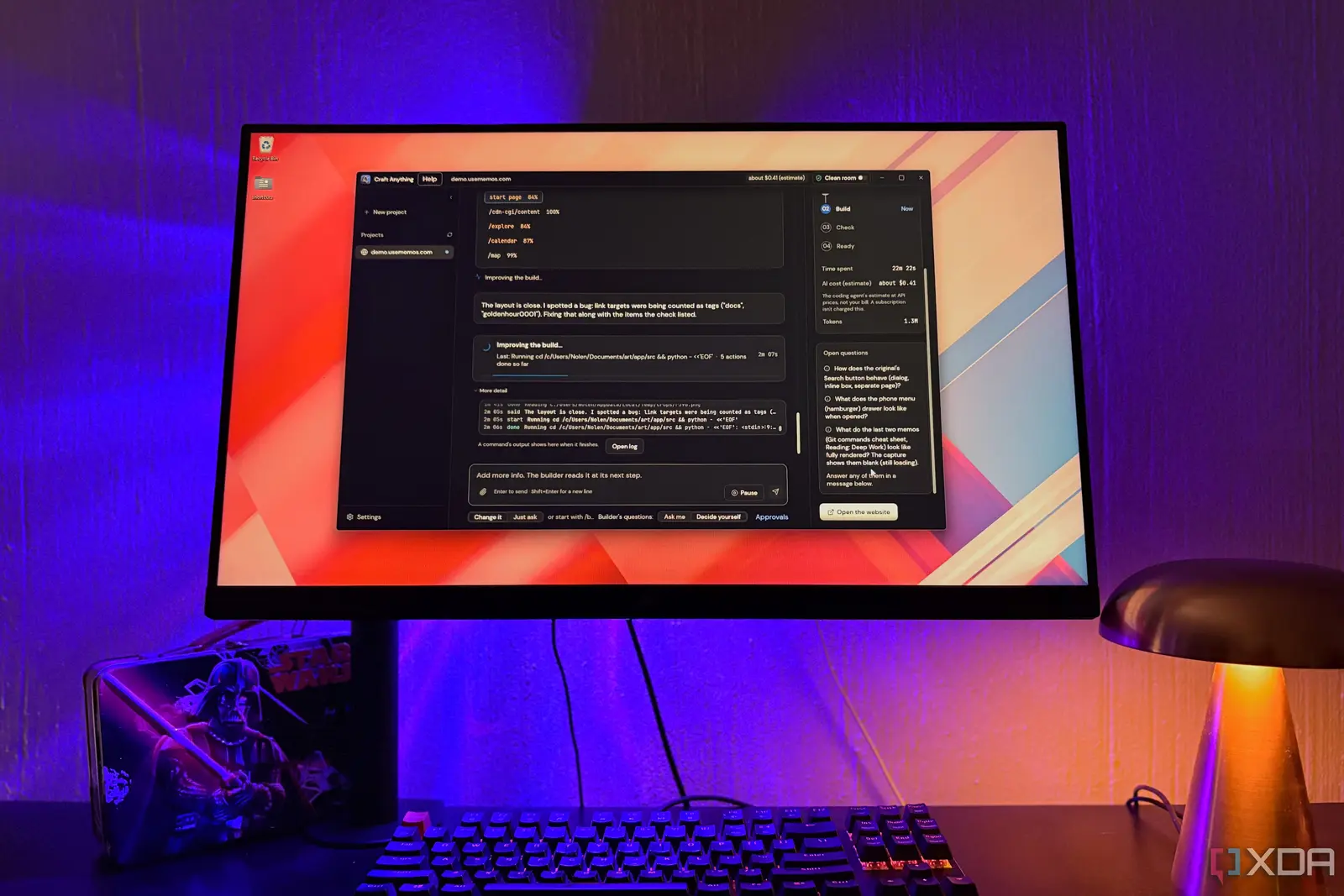 Open-Source Tools Challenge AI-Powered Development Platforms
 AI Infrastructure Bottlenecks: Why Release Pipelines Hold Back Fast Clusters
 Why Apple Vision Pro Never Took Off Like Meta's VR Headsets
The core discovery centers on the fundamental nature of Linux containers. Unlike virtual machines, which emulate entire hardware environments, containers rely on kernel features. They are essentially standard processes running on the host operating system. The kernel manages these processes with specific restrictions applied. This distinction explains why resource limits behave differently than expected.
Containers do not exist as independent entities. They are just processes with special restrictions enforced by the kernel. Your host kernel remains responsible for executing every instruction inside the container. This reality impacts how developers view isolation and security. When a container crashes, it is a process crash on the host. The namespace and cgroup mechanisms create the illusion of separation. These abstractions limit visibility into other processes and resources. However, they do not provide a hard boundary like virtualization does.
Why Does Docker Feel Intuitive Yet Confusing?
Developers often struggle with this concept because documentation can be sparse. Building a runtime from scratch forces clarity on these interactions. The developer noted that early stages of the project highlighted these quirks. Each layer of abstraction adds complexity to debugging. Users must understand that their application shares the same kernel space. This shared environment requires careful configuration to prevent conflicts.
The perceived weirdness stems from the gap between user expectations and technical reality. Most tools present containers as standalone units. In practice, they remain deeply tied to the host infrastructure. This connection causes unexpected behavior in network and storage configurations. Developers find it difficult to predict resource usage patterns. The lack of true isolation means host-level changes affect all containers. This dependency chain creates challenges for large-scale deployments. Teams need to monitor host metrics closely to maintain stability.
The custom runtime project serves as a practical learning tool. It demonstrates that standard tools hide significant complexity. By stripping away layers, developers see the raw interactions. This knowledge empowers engineers to optimize performance effectively. It also helps in designing better monitoring solutions. Understanding the kernel’s role reduces reliance on trial and error methods.
The future of container technology will likely address these complexities. Newer runtimes may offer clearer interfaces for developers. However, the fundamental kernel-based approach remains central. Organizations should invest in training staff about these low-level details. This understanding will lead to more robust cloud-native applications. As adoption grows, the need for accurate mental models becomes critical.
Frequently Asked Questions
Are containers truly isolated from the host? No, containers are not fully isolated. They run as regular processes on the host kernel. Restrictions are applied via namespaces and cgroups rather than hardware emulation.
How does a container differ from a virtual machine? Virtual machines emulate full hardware, while containers share the host kernel. Containers have faster startup times but less isolation. Both serve different purposes depending on workload requirements.
Why is building a custom runtime useful for learning? It reveals hidden assumptions in standard tools. Developers gain deep insight into kernel interactions. This hands-on experience clarifies how resource limits actually work.