Why Mutable Tags Create Operational Chaos
Samir Makwana, a veteran technology journalist based in India, shares a critical lesson learned from years of container management. He recently stopped pinning Docker images to the latesttag. This simple change eliminated random container failures in his workflows. The shift highlights a common misunderstanding among developers about how versioning works in containerized environments. Many assume that latestguarantees the most recent stable release. In reality, it often points to an unstable or untested build. This practice creates significant friction for teams relying on automated deployments. The result is unpredictable behavior that disrupts production systems without warning.
Breaking news
 Canonical’s Web Presence Hit by Second DDoS Assault This Year
 Loops AI Secures $3.5 Million to Power a New AI Operating System for E‑Commerce
 Winverse AI Secures Tens of Millions in Seed Funding from DeepSeek and Long‑Z
 Google Adds Pixel 9 Series to Certified Refurbished Store
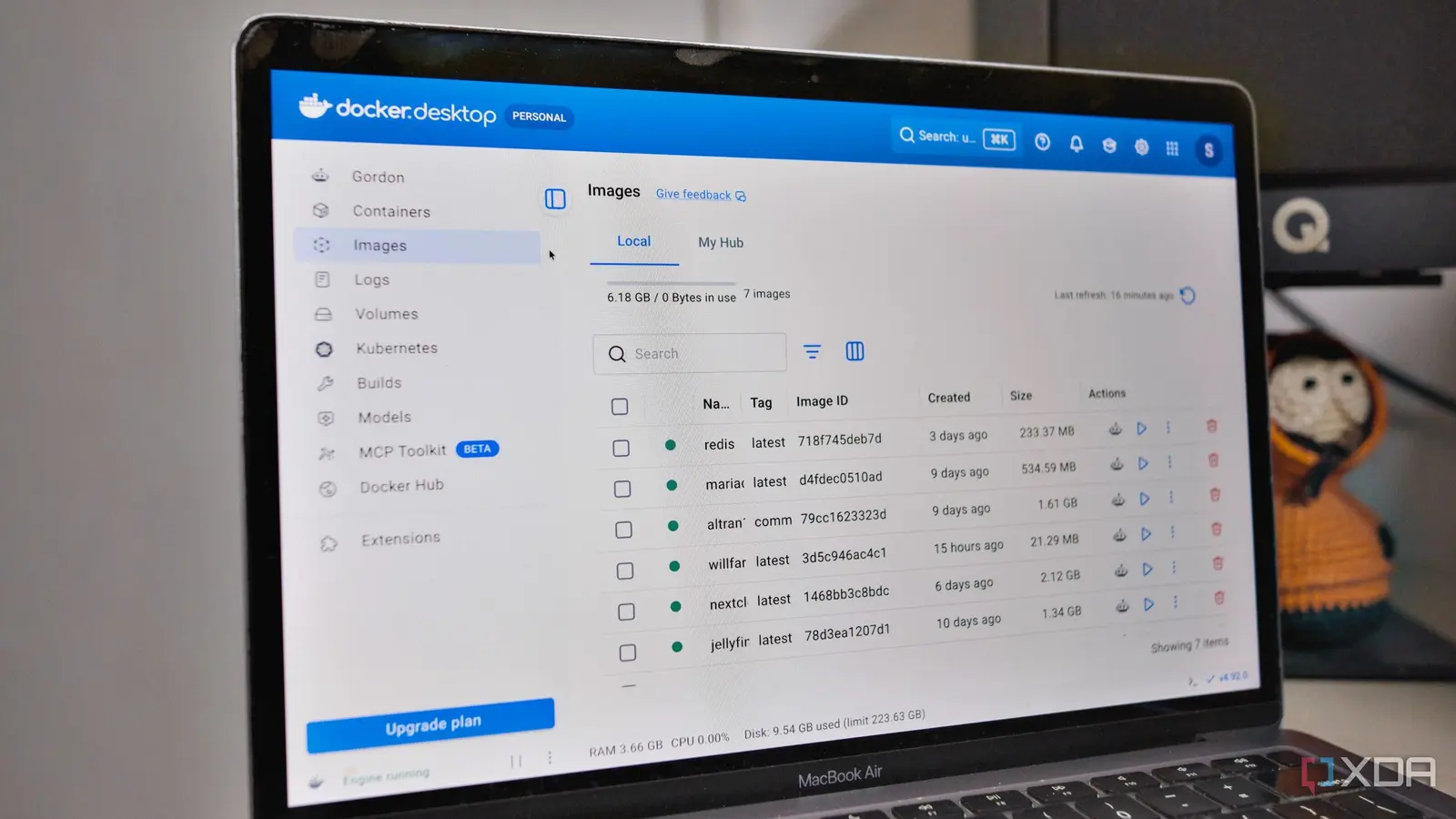
The term latestis a misnomer in the context of Docker registries. It does not signify the newest version available. Instead, it acts as a mutable pointer to a specific image digest. When maintainers push a new build, they update this pointer. However, they do not always ensure backward compatibility. Consequently, a deployment that worked yesterday might fail today simply because the underlying binary changed. Developers who rely on this tag accept a high degree of risk. They trade stability for convenience, often unaware of the hidden variables introduced with every update. This approach complicates debugging efforts significantly. Teams spend valuable time diagnosing issues caused by silent dependency shifts rather than their own code.
Using a fixed tag like latestmakes it difficult to reproduce errors. If a bug appears in production, engineers cannot easily verify if the issue stems from their application logic or a library update. They must guess which version was running at the time of failure. Pinning to a specific version number or a commit hash solves this problem. It ensures that every environment uses the exact same software components. This consistency allows for reliable testing and faster incident resolution. Organizations adopting this strategy report fewer unexpected outages. They gain confidence in their release pipelines. The process becomes deterministic rather than probabilistic.
Does Version Locking Slow Down Development?
Critics argue that locking versions slows down innovation. They believe teams should embrace new features immediately. While staying current is important, it should be a deliberate choice. Teams can schedule regular updates to test new releases in staging environments. Once verified, they promote the new version to production. This controlled rollout minimizes risk. It balances the need for fresh features with operational stability. The goal is not to avoid updates forever. It is to manage changes intentionally. By treating version updates as first-class tasks, developers maintain control over their infrastructure.
Adopting strict version pinning transforms container operations from reactive firefighting to proactive management. Developers no longer wonder why a container crashed at 3 AM. They know exactly what changed and when. This clarity reduces cognitive load and improves team morale. As cloud-native architectures become standard, this discipline will only grow in importance. Stability remains the foundation of scalable systems. Abandoning the latesttag is a small step toward that foundation. It signals a maturity in engineering practices. The industry continues to move toward immutable infrastructure principles. Embracing this mindset ensures long-term reliability for all stakeholders involved.
Frequently Asked Questions
Does the latest tag always point to the newest build? No, the latest tag is a mutable alias that may point to any recent build. It does not guarantee that the image contains the absolute newest features or fixes. Maintainers decide which build receives this label.
How should developers handle updates if they avoid latest? Teams should pin images to specific semantic versions or commit hashes. They can then schedule periodic upgrades to test new releases before promoting them to live environments. This ensures stability while keeping software current.
Is using latest ever acceptable in production? It is generally discouraged for critical production services due to unpredictability. It may be suitable for disposable development environments where frequent resets are expected. For mission-critical workloads, explicit versioning is the preferred standard.