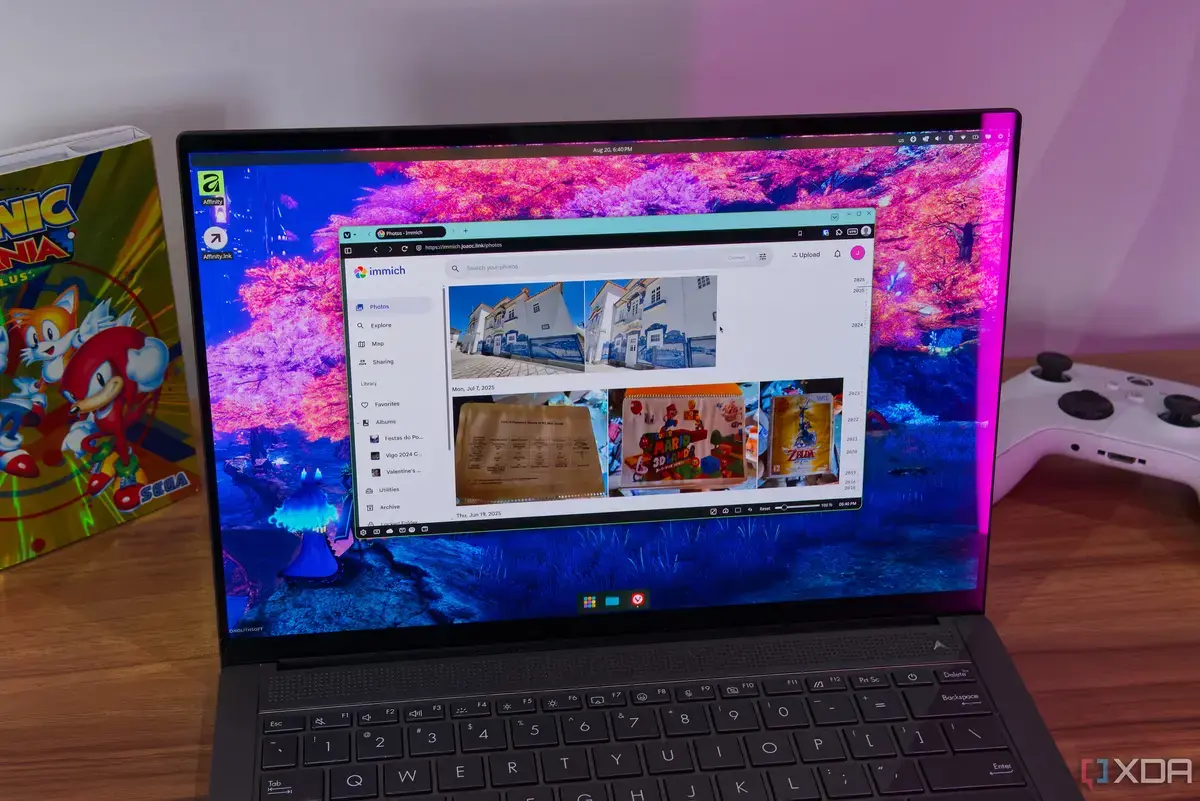
Why I Stopped Trusting the Cloud with My Memories
After years of relying on cloud storage for my personal photo collection, I migrated everything to a home NAS system and discovered I had been paying for convenience I didn’t actually need. The move wasn’t driven by privacy concerns alone, but by a growing frustration with subscription costs, limited control, and the feeling that my memories were hosted on someone else’s terms. Setting up the NAS took a weekend, but the payoff has been immediate and lasting.
Breaking news
 Town AI Secures $108 Million Series B, Valued at $1 Billion After $55 M Pre‑Series
 Apple Prepares for Major Product Launch Event on October 28
 Apple Releases Release Candidates for watchOS, tvOS and visionOS 27.2
 Apple Limits iPhone Duo and iPhone 18 Pro Max to Reservation-Only Sales in Japan and South Korea
The process involved transferring over 50,000 photos and videos from Google Photos and OneDrive to a Synology DiskStation DS220+ with two 4TB drives in RAID 1. I used Synology’s Moments app to replicate the facial recognition and album features I liked in Google Photos, all running locally. Initial setup required configuring port forwarding and Dynamic DNS for remote access, but once done, I could browse my library from any device without uploading to a third party. The system now runs silently in my closet, consuming less power than a lightbulb.
What Happens When You Take Your Photos Offline?
I realized I was paying nearly $120 a year for storage I could have owned outright for a one-time cost of under $300. Beyond cost, the lack of true ownership bothered me—if Google changed its policies or shut down a feature, I’d have no recourse. With my NAS, I control the encryption, the backups, and the access. I no longer worry about accidental deletions from sync errors or algorithmic changes that resurface old photos I’d rather forget. The peace of mind comes from knowing my data is physically in my home, not in a data center I can’t see.
Since moving to the NAS, my photo browsing has become faster and more reliable, especially when I’m offline or on a slow connection. I’ve also started experimenting with AI-powered tagging using open-source tools like PhotoPrism, which runs in a Docker container on the same NAS. My family now accesses the gallery through a simple web interface, and I’ve set up automated monthly backups to an encrypted external drive stored at a relative’s house. The only downside? I have to remember to power the NAS on—but even that feels like a small price for sovereignty.
Isn’t a NAS complicated to set up and maintain? Not really. Modern NAS devices come with user-friendly interfaces and mobile apps. Initial setup takes a few hours, but ongoing maintenance is minimal—mostly just checking for firmware updates and ensuring backups run.
Frequently Asked Questions
What if my NAS fails or gets stolen? That’s why I use RAID 1 for redundancy and keep an offsite backup. If the NAS dies, I can restore from the external drive. Theft is rare for a home device, but the offsite copy protects against fire or flood too.
Can I still share photos easily with friends and family? Yes. I create shared albums with password-protected links that expire after a set time. It’s more private than public cloud links and gives me full control over who sees what and for how long.