Landscape Support Gives Developers Greater Flexibility
Apple has broadened the functionality of its TestFlight beta testing platform, adding landscape orientation support and enhancing the i Phone Mirroring window on macOS 27 Golden Gate. The update was rolled out this week, following the release of the new macOS version that introduced resizable mirroring windows in multiple aspect ratios.
Breaking news
 Trump Orders Federal Agencies to Adopt „Super Intelligence” Terminology
 The Silicon Valley Accountability Gap
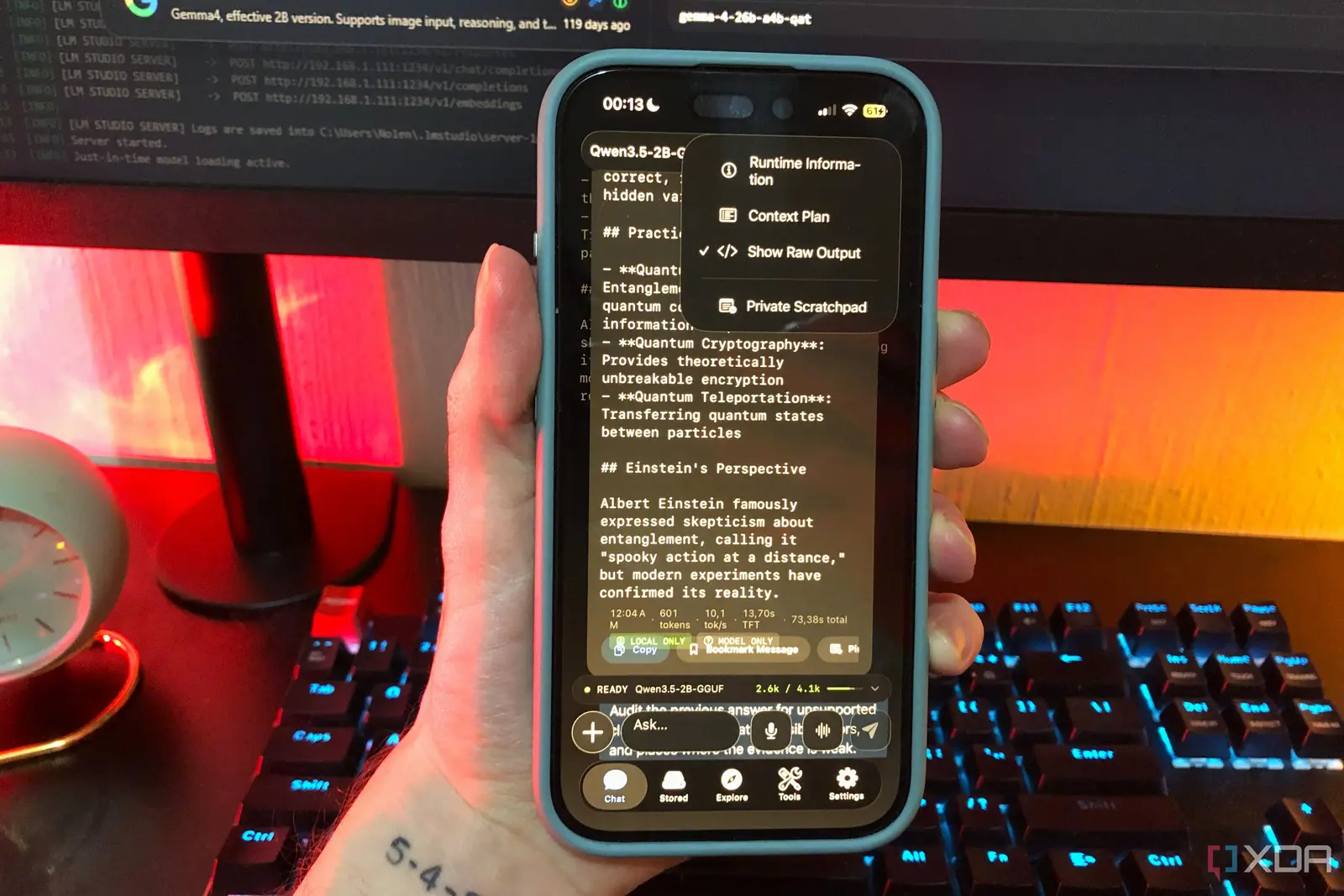 Running a Local AI Model on a Phone Handles Most Chat Prompts
 Google Photos Could Soon Offer a Fresh Start with Ask Photos Feature
The new TestFlight landscape feature allows developers to preview and test apps in both portrait and landscape modes directly within the beta testing environment. This change is expected to streamline the development process for apps that rely heavily on horizontal layouts, such as games and media players. The macOS 27 update, meanwhile, expands the i Phone Mirroring window to support additional aspect ratios, making it easier for developers to view their apps in a variety of screen configurations.
How macOS 27 Enhances the Mirroring Experience
Apple’s decision to add landscape support to TestFlight reflects a growing demand for comprehensive testing tools that mirror real‑world device usage. By enabling developers to switch between orientations without leaving the platform, the update reduces the need for separate testing devices or manual configuration. The feature is available to all TestFlight users immediately, and developers can toggle orientation from the app’s settings panel.
In addition to orientation changes, the update includes a minor UI tweak that simplifies the process of switching between multiple test builds. Users can now see a clear indicator of the current build version and orientation, helping to avoid confusion when testing iterative updates.
What Does This Mean for the Future of i Phone Development?
The macOS 27 Golden Gate release introduced a resizable i Phone Mirroring window that supports a range of aspect ratios, including 16:9, 4:3, and 3:2. This flexibility allows developers to view their apps in the exact dimensions they will appear on various i Phone models. The new window can be resized on the fly, and the mirroring quality remains consistent across all supported ratios.
Apple’s engineering team emphasized that the new mirroring window is built on the same framework used for the iPad Pro’s sidecar feature, ensuring smooth performance even on older hardware. The update also includes a new „Full Screen” mode that automatically scales the mirrored content to fill the entire window, providing a more immersive testing experience.
Frequently Asked Questions
The combination of landscape support in TestFlight and the enhanced mirroring window on macOS 27 positions Apple to better accommodate the upcoming i Phone Duo, a rumored dual‑screen device. By giving developers the tools to test in multiple orientations and aspect ratios, Apple is effectively preparing the ecosystem for a device that may require complex layout adjustments. Early adopters of the new features report smoother testing cycles and fewer bugs related to orientation changes.
Developers are encouraged to explore these new tools and provide feedback through the TestFlight platform. Apple’s continued investment in developer tools signals a commitment to maintaining a robust beta testing ecosystem, even as the company pushes forward with ambitious hardware innovations.