
How Will Blender Adapt to Touch and Mobile Constraints?
The popular open-source 3D creation suite Blender is developing an Android version slated for release next year, marking a significant step in expanding its accessibility beyond traditional desktop environments. This effort comes as Google continues to push Android toward becoming a more capable platform for professional and creative workloads, particularly on larger-screen devices like tablets and foldables. While an iPad version remains on hold, the Android port aims to bring powerful modeling, animation, and rendering tools to mobile users.
Breaking news
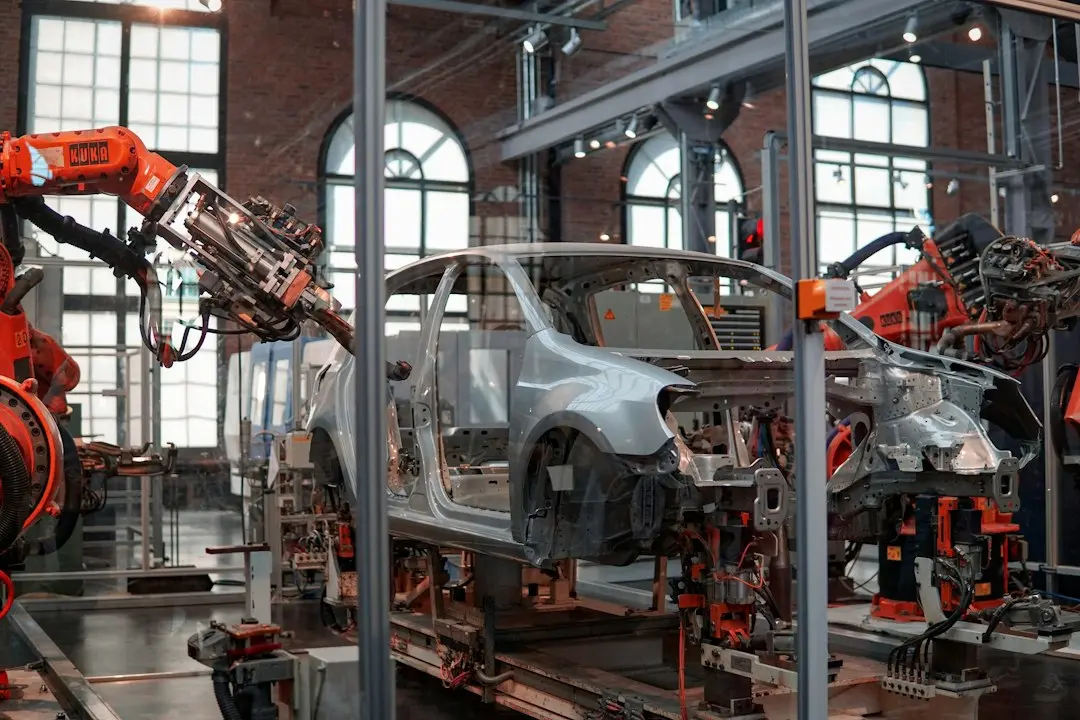 The Evolution of Artificial Intelligence in Modern Car Architecture
 Anthropic’s Revenue Primarily Driven by Agentic AI, SemiAnalysis Finds
 Google Researchers Warn of AI Risks to Children as Schools Adopt New Tools
 Bridging the Gap in Edge AI Hardware Design
Blender’s development team confirmed the project is underway, focusing on adapting the software’s complex interface and performance demands for touch-based interaction and ARM architecture. The move addresses a long-standing gap in professional-grade creative tools available on Android, especially for artists, designers, and hobbyists who rely on Blender for tasks ranging from game asset creation to visual effects. By targeting Android, the developers hope to tap into a growing user base seeking portable yet robust 3D workflows without relying solely on laptops or workstations.
What Challenges Remain for Professional Use on Android?
Engineers are reworking Blender’s interface to support touch gestures, stylus input, and adaptive layouts that scale across different screen sizes. Performance optimization is a key priority, given the software’s heavy reliance on CPU and GPU resources for tasks like rendering and simulation. Early prototypes are expected to include core modeling and sculpting features, with advanced functions like physics simulation and video editing potentially rolled out in later updates. The team emphasized that the Android version will maintain compatibility with existing .blend files, ensuring seamless workflow integration for current users.
Despite progress, questions linger about whether Android devices can consistently handle the sustained workloads Blender demands, particularly during long rendering sessions or complex scene manipulations. Thermal throttling, limited multitasking capabilities, and variability in hardware across the Android ecosystem pose ongoing hurdles. The developers acknowledged that while flagship tablets may offer adequate performance, broader adoption will depend on continued improvements in mobile hardware and software support from device makers and Google alike.
Will the Android version of Blender be free to use? Yes, Blender remains open-source and free under its current license, and the Android release will follow the same model with no cost for download or use.
Frequently Asked Questions
Which Android devices will support the Blender app? The app will initially target devices running Android 12 or later with at least 6GB of RAM and a modern GPU, though specific compatibility details will be shared closer to launch.
Can users expect feature parity with the desktop version? Not at launch; the initial release will focus on essential modeling and sculpting tools, with additional features planned for future updates based on user feedback and technical feasibility.