Streamlining Hardware Integration
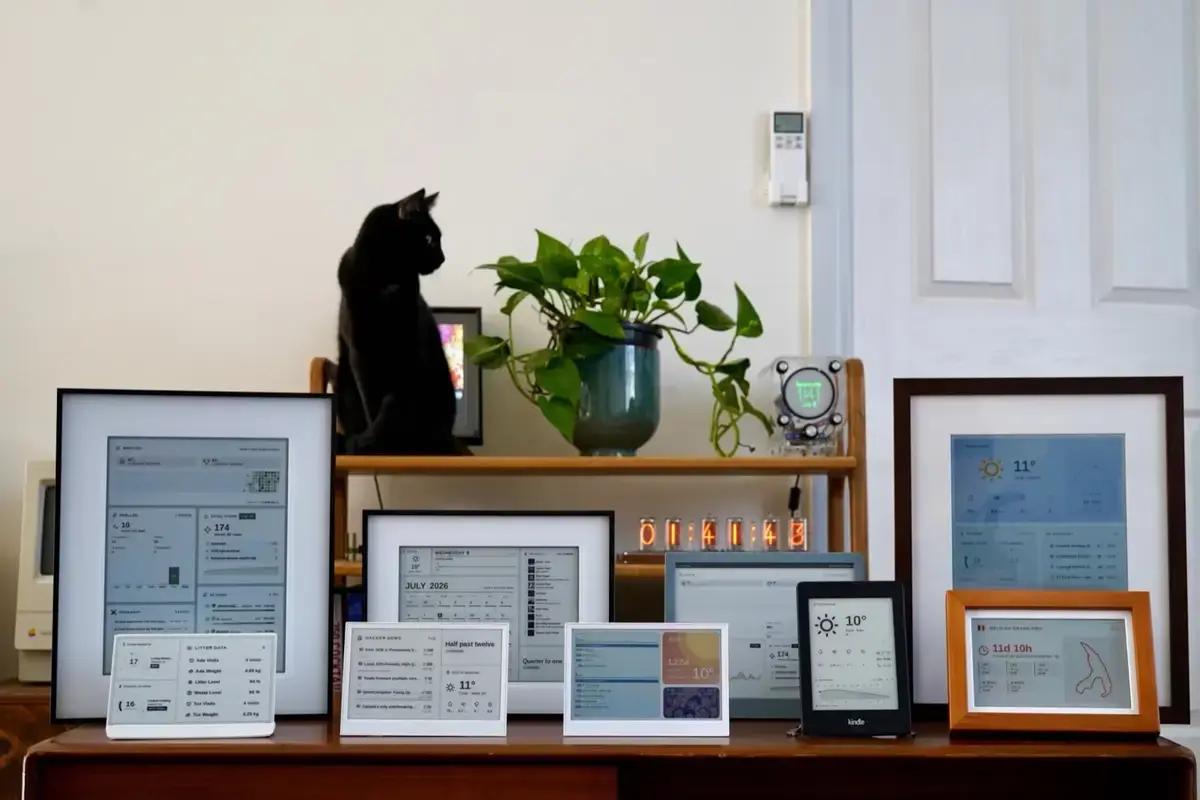
A new self-hosted design platform is streamlining the development of e-ink dashboards for hobbyists using ESP32 microcontrollers and Raspberry Pi devices. Released this week, the tool addresses the technical hurdles often associated with building custom displays, allowing users to create visual interfaces for home monitoring projects with greater ease and efficiency.
Breaking news
 Why Authentic Social Signals Matter for AI Training Data Quality
 How Passive Mobile Execution Is Reshaping Digital Labor Economics
 Algorithmic Transparency: How Quantitative Discipline Reshapes Digital Asset Markets
 Why Technical SEO Scanning Is Essential for Modern Web Performance
The software functions as a dedicated dashboard builder that removes the need for complex manual coding when configuring screen layouts. By providing a streamlined interface, it enables makers to drag and drop elements, significantly reducing the time required to deploy functional displays. This platform is specifically optimized for low-power e-ink screens, which are popular for their high readability and minimal energy consumption.
The project targets the growing community of smart home tinkerers who rely on ESP32 boards to track data like weather, calendar events, or system metrics. Previously, creating these interfaces required significant programming knowledge to handle image rendering and refresh rates. This new solution automates the backend processes, allowing users to focus entirely on the visual design of their information hubs.
By lowering the barrier to entry, the tool encourages more people to experiment with e-ink technology in their homes. It bridges the gap between raw hardware capabilities and user-friendly software, making professional-looking dashboards accessible to beginners. As the community continues to embrace low-power display solutions, this type of software will likely become a standard component in the modern smart home toolkit.
Is This the Future of DIY Home Displays?
Frequently Asked Questions
What hardware is compatible with this designer? The platform is specifically designed to support ESP32 microcontrollers and Raspberry Pi systems. It is optimized for various e-ink display modules commonly used in these DIY projects.
Does this software require an internet connection to run? No, the platform is self-hosted, meaning you can run it locally on your own hardware. This ensures your dashboard data remains private and functional even without external cloud dependencies.