Hardware Launches Come First, Software Follows
Apple often separates hardware announcements from software readiness. Physical devices may be ready to ship while related features still need refinement. This approach avoids repeating past issues like the problematic Apple Intelligence rollout in 2024, which led to legal action over misleading claims. Now Apple aims for transparency about release timelines to reduce confusion and help buyers plan purchases with better information.
Breaking news
 Canonical’s Web Presence Hit by Second DDoS Assault This Year
 Loops AI Secures $3.5 Million to Power a New AI Operating System for E‑Commerce
 Winverse AI Secures Tens of Millions in Seed Funding from DeepSeek and Long‑Z
 Google Adds Pixel 9 Series to Certified Refurbished Store
Near-Term Availability for Some Devices
The Apple Watch Series 12, Apple Watch Ultra 4, and AirPods 5 are expected to be available for preorder soon. Their core hardware should ship close to the announcement date. However, having the physical product doesn't mean all advertised functions will work immediately. Advanced capabilities often require additional time for polishing and broad distribution.
Features Requiring Extra Development Time
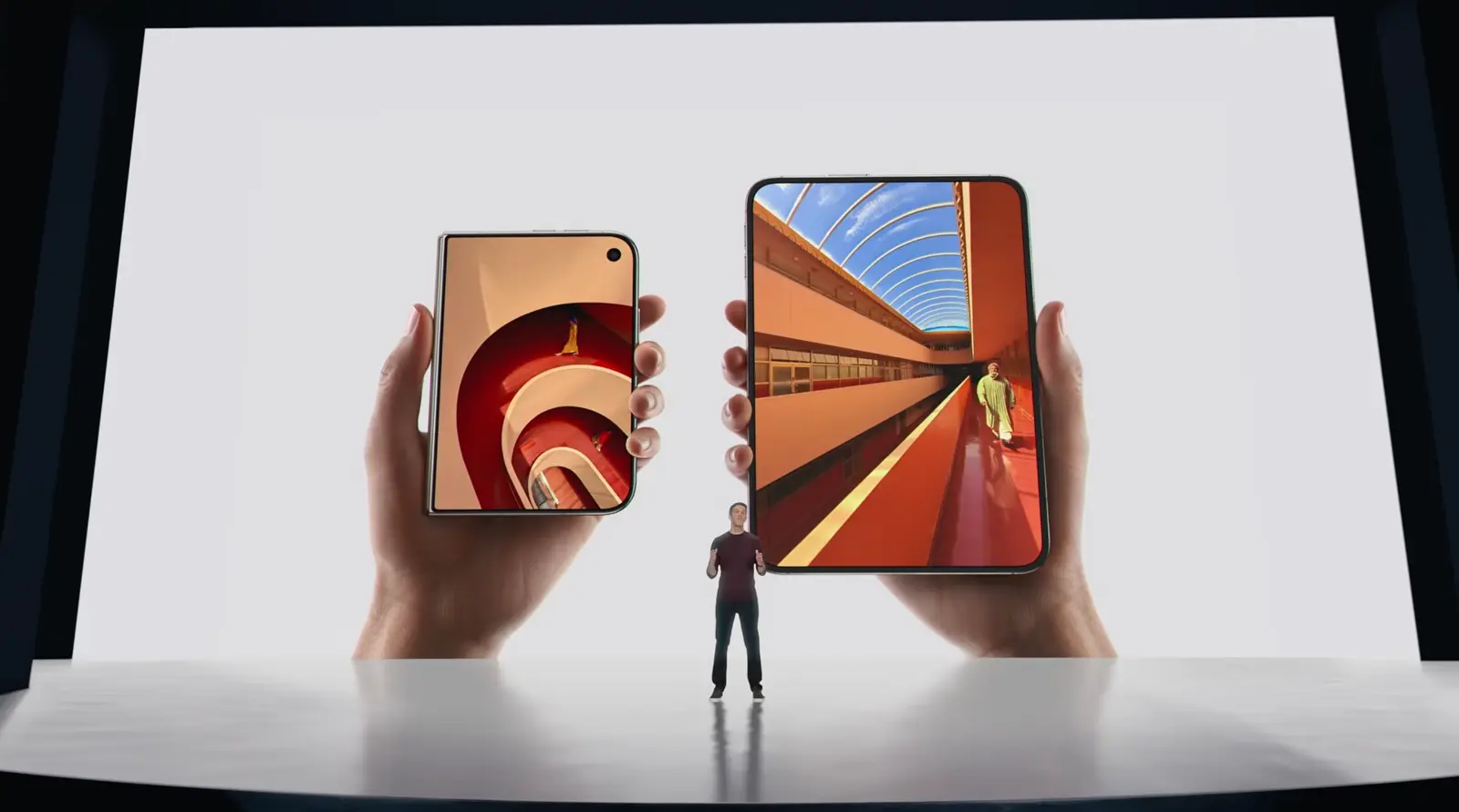
Certain innovations demonstrated at the event will not be ready at launch. For example, the foldable design of the i Phone Duo might be complete, but specific apps may still need adaptation. The i Phone 18 Pro could include a new camera system, yet its image processing algorithms might require further refinement. On the Apple Watch Series 12 and Ultra 4, new health sensors could be physically present, but interpreting the data accurately demands clinical validation.
AI and Software Dependencies
Deep AI integration into the voice assistant may need operating system adjustments. Similarly, new sensors or materials in wearables often require real-world testing over months to confirm performance, battery life, and compatibility. Each hardware component relies on controlling software, and synchronization between the two is essential for a seamless user experience. If one lags, the other does too.
Firmware Updates Will Enable Key Functions
AirPods 5 might feature a new chip, but adaptive noise reduction could depend on future firmware updates. Apple coordinates efforts across engineering, design, software, and testing teams. While the company has the resources to manage this complexity, it prioritizes quality over speed. As a result, some announcements function more as future promises than immediate availability statements.
Gradual Release Benefits Users and Refinement
Users understand that cutting-edge technology cannot be fully realized in every release cycle. Progressive rollout allows continuous improvement based on real-world feedback. This strategy has become a sign of maturity in Apple's innovation approach. Instead of speculating, the public can focus on what is available now and plan for what is coming later. The article was published on September 9, 2026, at 7:48 PM Eastern Time. Estimated reading time is about three minutes. Jeff Carlson, a senior writer at CNET, covers mobile technology, from cellular plans to new devices and emerging trends. His analysis helps readers distinguish hype from technical reality. Here, he provides a clear roadmap of expectations for Apple's latest announcements.