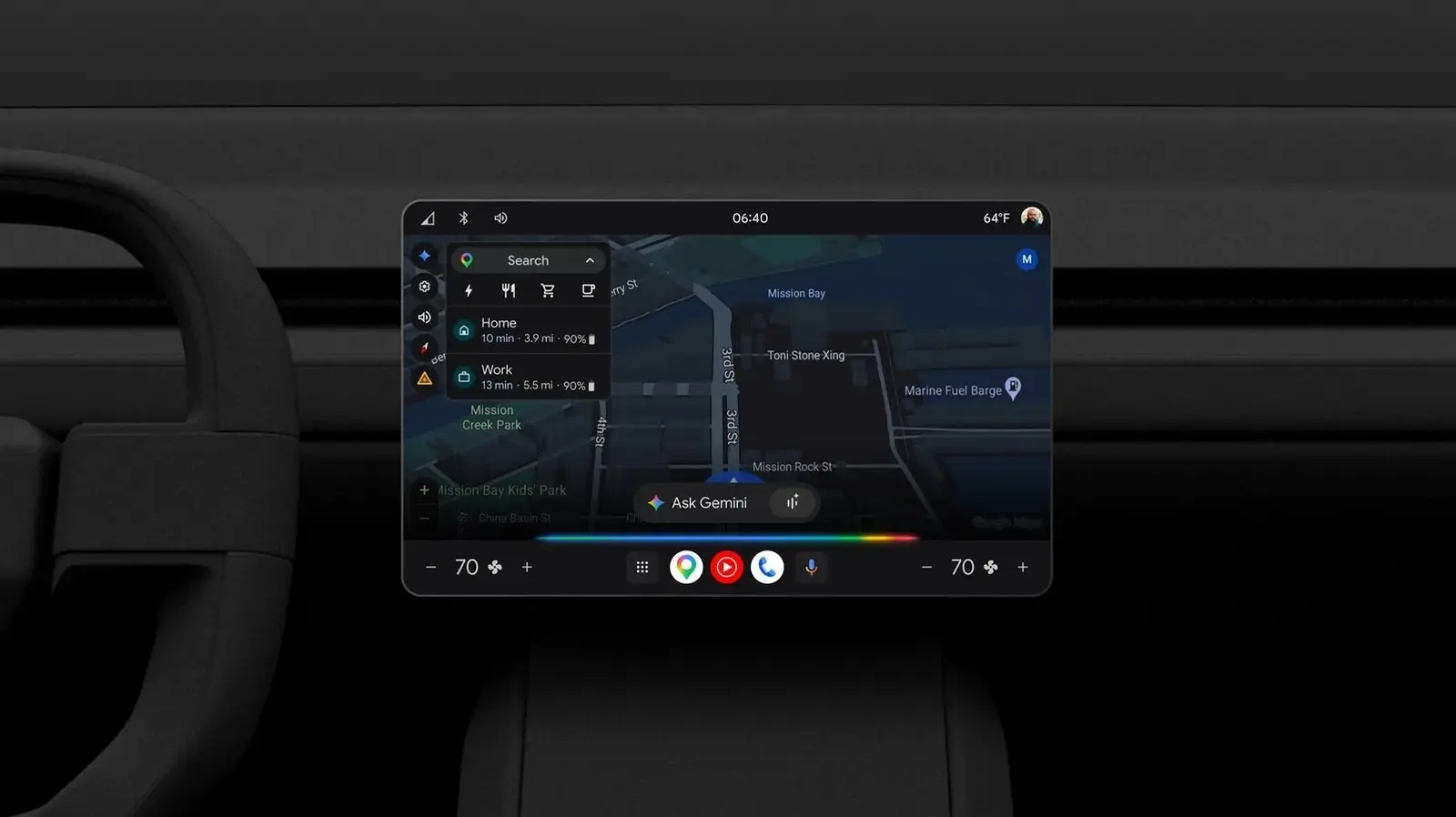
The Architecture of In-Car Software
Drivers often confuse the digital ecosystems powering modern vehicles. Android Automotive is a comprehensive operating system that manages a car's entire dashboard, while Google Built-In refers specifically to a suite of integrated applications. These two technologies serve distinct roles in transforming how motorists interact with their vehicles on the road today.
Breaking news
 Canonical’s Web Presence Hit by Second DDoS Assault This Year
 Loops AI Secures $3.5 Million to Power a New AI Operating System for E‑Commerce
 Winverse AI Secures Tens of Millions in Seed Funding from DeepSeek and Long‑Z
 Google Adds Pixel 9 Series to Certified Refurbished Store
Android Automotive functions as the primary software platform for a vehicle. It operates similarly to an engine management system but for the infotainment interface. Because it is deeply embedded into the car's hardware, it controls essential functions like climate settings, vehicle diagnostics, and navigation displays without needing a phone connection.
Google Built-In represents the familiar interface users recognize from their smartphones. This package includes services like Google Maps, the Play Store, and Google Assistant. When a car features this integration, these apps run natively on the vehicle’s hardware rather than being projected from a mobile device.
How Do These Systems Affect Your Driving Experience?
This setup offers a seamless experience for drivers who rely on Google’s ecosystem. It eliminates the need for constant tethering to a smartphone. By utilizing the car’s own data connection, these applications remain updated and synchronized with the driver's personal account settings in real-time.
The primary advantage of Android Automotive is its deep integration with vehicle sensors. It can adjust cabin temperature or monitor battery levels based on navigation routes. In contrast, Google Built-In focuses on providing a consistent user interface that mirrors the functionality of a standard Android mobile device.
Frequently Asked Questions
Choosing a vehicle with these systems changes how you manage your journey. You no longer need to worry about battery drain on your phone or intermittent Bluetooth connectivity. The car becomes a standalone smart device capable of managing complex tasks independently while you remain focused on the road.
Do I need a smartphone to use Google Built-In? No, you do not need a phone to operate these apps. The software runs directly on the car's internal hardware and uses its own data connection.
Does Android Automotive control the car's engine? It manages the digital interface and vehicle settings. While it handles complex electronic tasks, it does not replace the mechanical engine management systems.