Clearing the Air on Capital Exposure
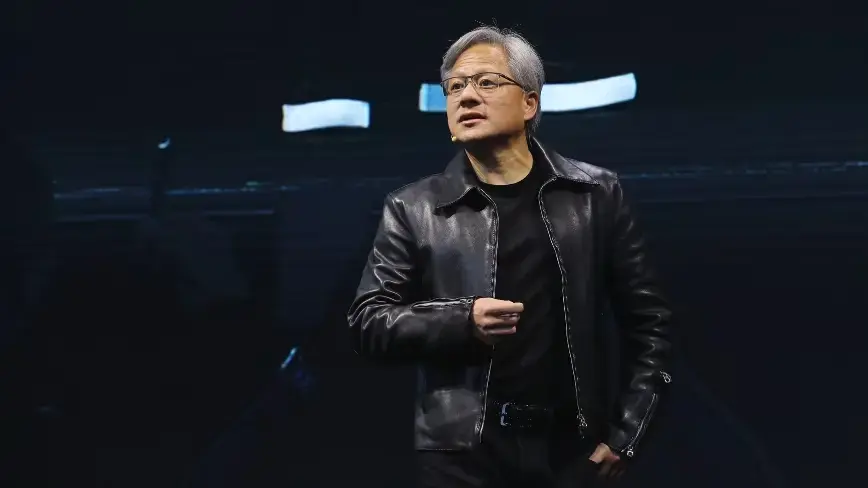
Nvidia’s credit-default swaps retreated from record highs this week after CEO Jensen Huang clarified the company’s controversial $500 billion financing strategy. Investors had previously panicked over concerns regarding circular financing, fearing the chipmaker was essentially funding its own customers. The market volatility subsided once Huang confirmed Nvidia’s financial exposure remains strictly limited.
Breaking news
 Eufy Unveils Local AI Home Security Ecosystem at IFA
 The Rapid Evolution of Data Center Security in the AI Era
 The High-Voltage Risks Facing Modern AI Data Centers
 Apple’s New CEO Renames Lake Ontario To Lake America In Maps App
The surge in insurance costs for Nvidia’s debt stemmed from widespread anxiety about the firm’s capital allocation. Analysts feared that Nvidia might be providing the very capital that its clients used to purchase its high-end artificial intelligence hardware. This circular flow of money created significant unease among bondholders and credit traders who viewed the arrangement as a systemic risk to the company’s balance sheet.
Jensen Huang addressed these concerns by reframing the financing initiative as a project utilizing third-party capital. By emphasizing that the program relies on external funding sources rather than Nvidia’s internal cash reserves, the CEO successfully calmed nervous creditors. This distinction proved vital in reassuring the market that Nvidia is not overextending its own resources to artificially inflate demand for its products.
Will Market Stability Persist?
The clarification effectively decoupled Nvidia’s operational success from the debt risks associated with its clients. With the company’s personal liability capped, the cost of insuring its debt dropped significantly. This shift signals a return to investor confidence, as the market now views the financing plan as a standard industry partnership rather than a dangerous fiscal loop.
The immediate stabilization of credit-default swaps suggests that investors are satisfied with the current transparency levels. However, the episode highlights the extreme sensitivity of the semiconductor sector to complex financing arrangements. As Nvidia continues to dominate the AI hardware market, any future capital initiatives will likely face intense scrutiny from debt markets.
Frequently Asked Questions
Maintaining this newfound stability will require ongoing communication from leadership regarding financial partnerships. If Nvidia can demonstrate that its growth is supported by genuine end-user demand rather than complex credit structures, bondholders will likely remain at ease. The company appears to have successfully navigated a period of intense skepticism by prioritizing clarity over ambiguity.
What caused the initial spike in Nvidia’s credit-default swaps? Investors were worried about circular financing, where Nvidia might have been providing the capital for its own customers to buy its chips. This raised fears about the company's long-term financial health and debt stability.
How did the company resolve the investor concerns? CEO Jensen Huang clarified that the financing plan relies on third-party money rather than Nvidia's own reserves. By capping the company's direct exposure, he reassured creditors that the firm is not taking on excessive risk.