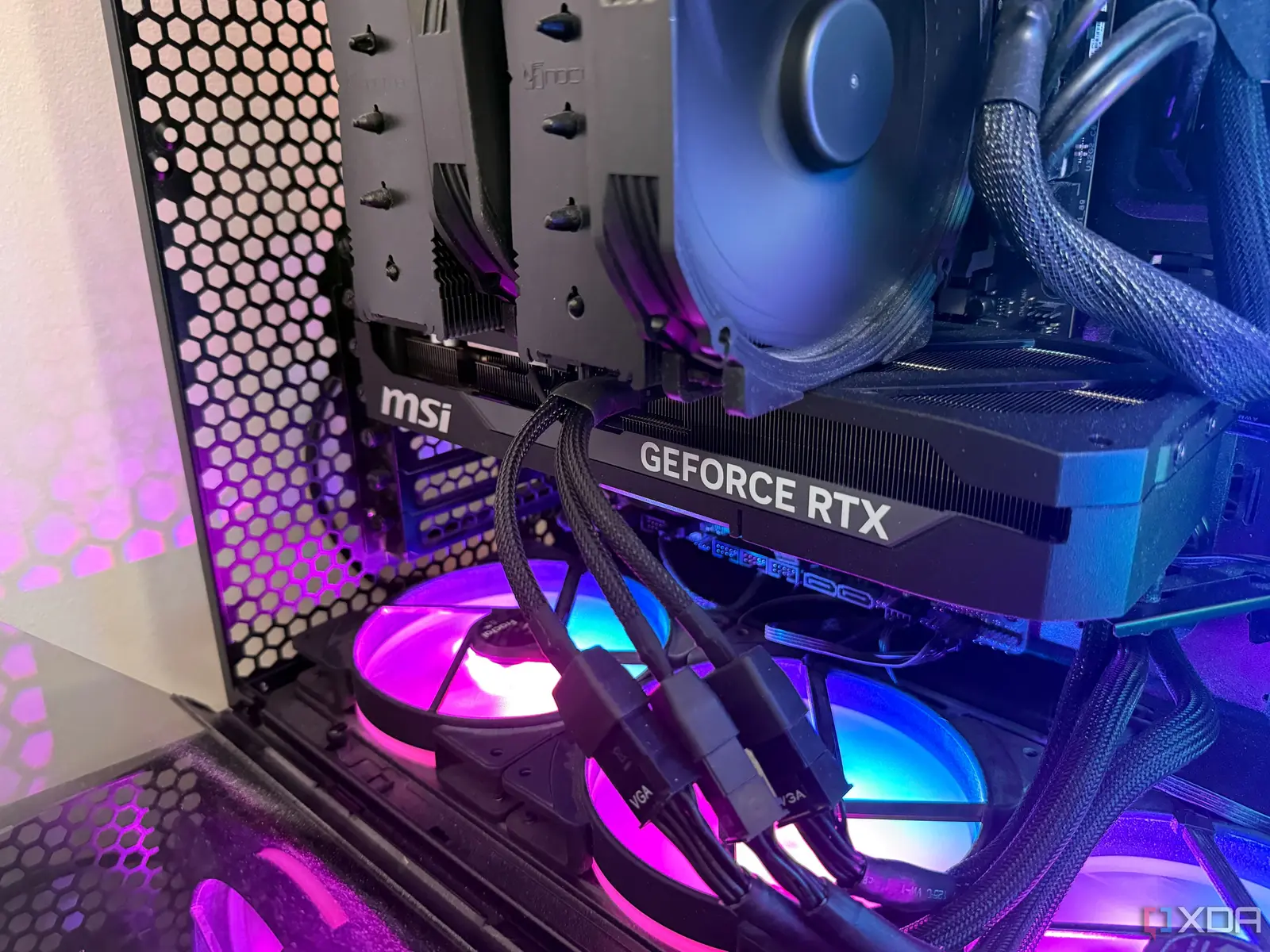
Why Power Limits Are Set Higher Than Needed
Testing an RTX 5080 with reduced power limits showed minimal impact on real-world gameplay while cutting heat and noise significantly. The experiment was conducted by a longtime PC enthusiast who began tinkering with computers at age ten, now applying years of hands-on experience to evaluate practical performance trade-offs. Results indicate that high-end graphics cards often operate well below their maximum power draw during typical gaming sessions.
Breaking news
 Trump Orders Federal Agencies to Adopt „Super Intelligence” Terminology
 The Silicon Valley Accountability Gap
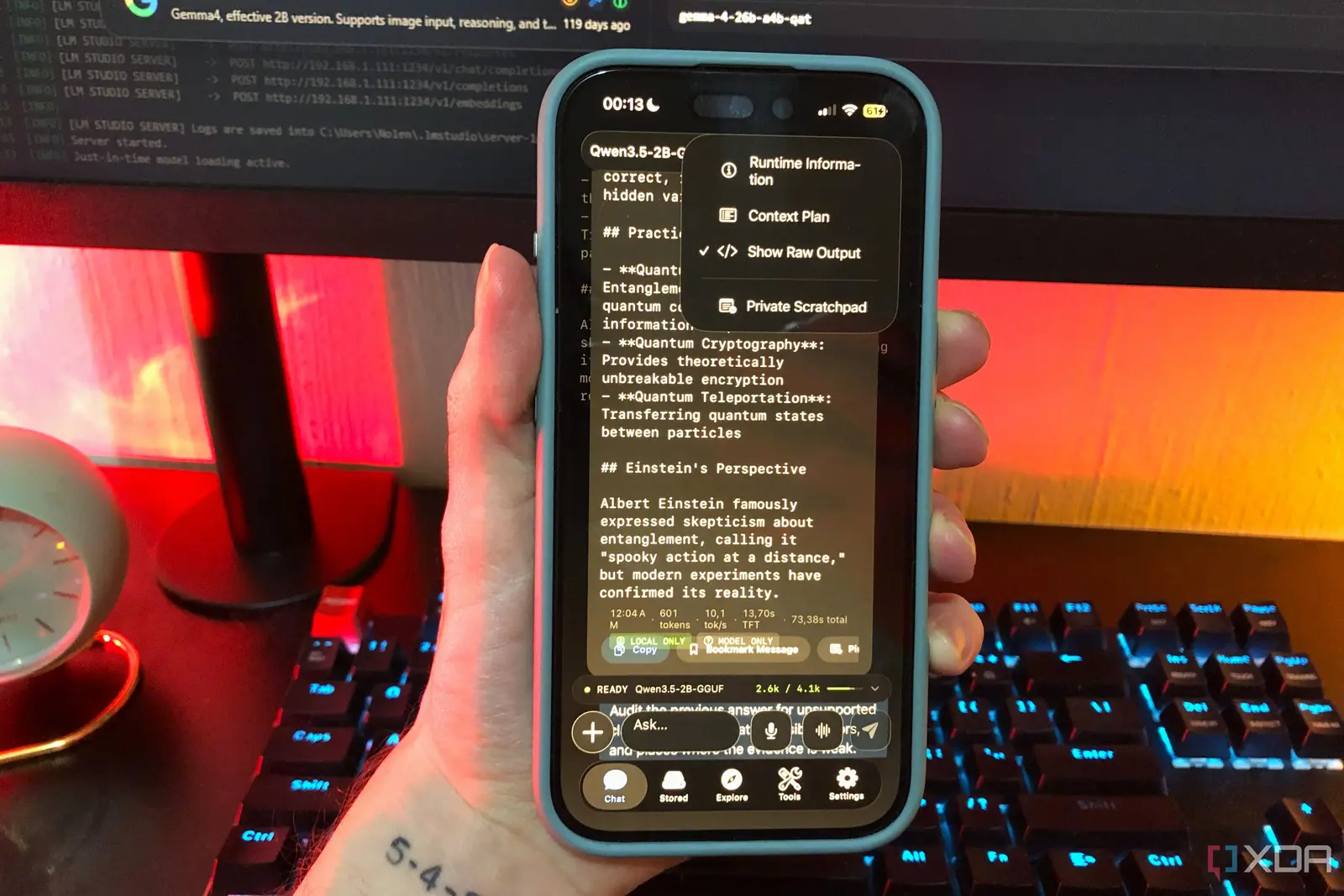 Running a Local AI Model on a Phone Handles Most Chat Prompts
 Google Photos Could Soon Offer a Fresh Start with Ask Photos Feature
The tester found that limiting the RTX 5080 to 70% of its power capacity resulted in only minor frame rate drops in most titles, differences that were imperceptible during actual play. Benchmarks revealed average losses of just 3-5% across popular games, with some titles showing no change at all. This suggests that manufacturers set power limits higher than necessary for everyday use, leaving headroom for peak loads that rarely occur in standard scenarios.
Can Lower Power Settings Extend Hardware Lifespan?
Graphics card manufacturers design power limits to accommodate worst-case scenarios like sustained 4K gaming with ray tracing and DLSS off, conditions most players never encounter. By capping power, users can reduce thermal output and fan speeds without sacrificing noticeable performance. The tester reported quieter operation and lower temperatures, improving system longevity and comfort during long sessions. This approach also benefits small form factor builds where cooling is constrained.
Running a GPU below its maximum power threshold reduces electrical stress and heat buildup, two primary factors in component degradation over time. While long-term studies are limited, lower operating temperatures generally correlate with improved reliability. The tester noted that their system felt more stable after extended use, with fewer thermal throttling events. For users prioritizing silence and efficiency over absolute peak performance, power capping offers a practical middle ground.
Will capping GPU power affect competitive gaming? In fast-paced titles where every frame matters, slight reductions may be noticeable to highly sensitive players. However, for most competitive gamers, the difference falls within normal variability and is unlikely to impact performance meaningfully.
Frequently Asked Questions
Does this work with older graphics cards? Yes, the principle applies across generations, though the absolute performance loss may vary. Older cards often have less efficient architectures, so testing individually is recommended to find the optimal balance.
Can I apply this to laptops? Laptop GPUs benefit even more from power limits due to tighter cooling constraints. Reducing power can prevent throttling during extended use, maintaining more consistent performance over time.