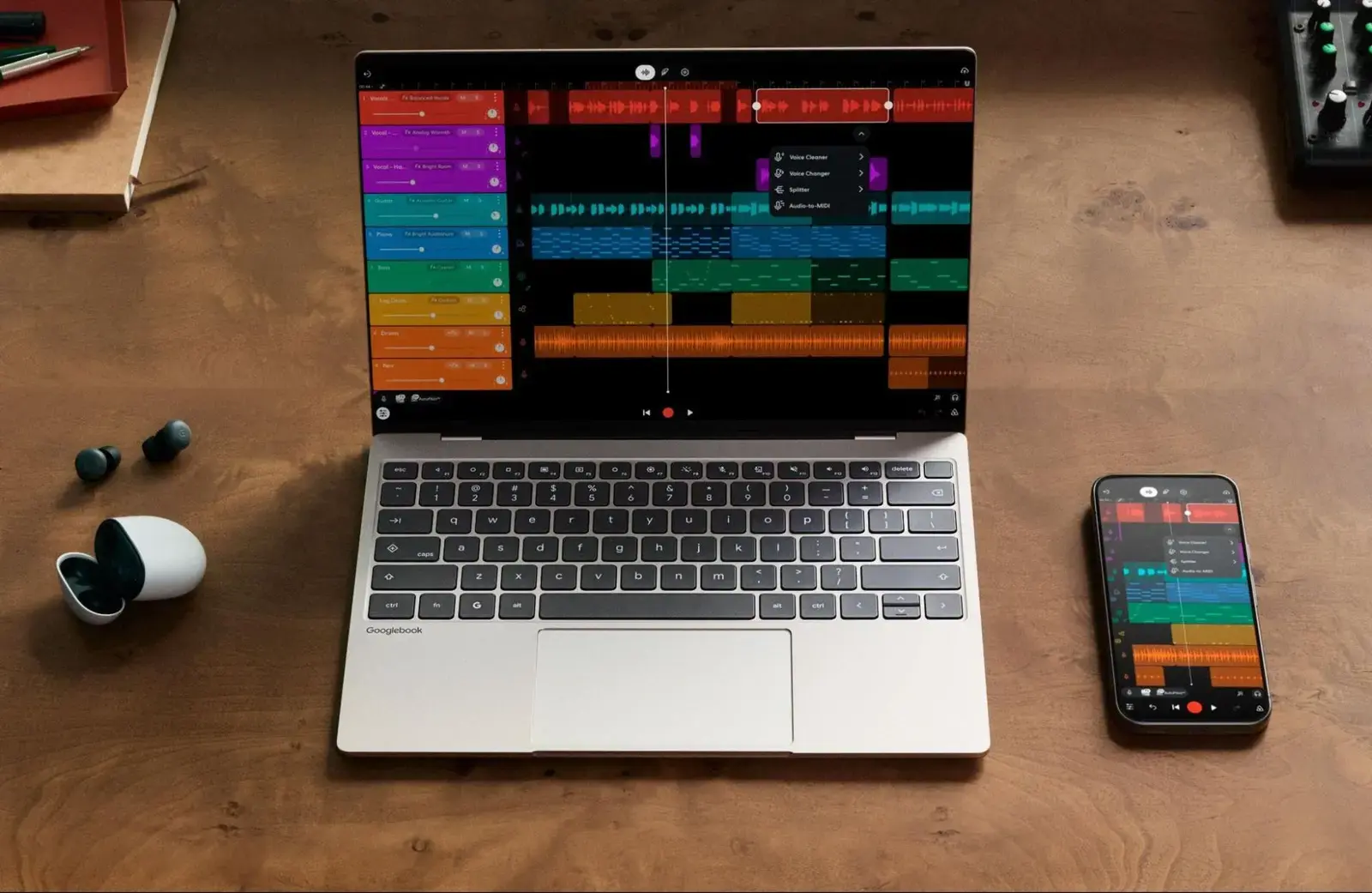
A Mac-Like Interface for the Android Ecosystem
Google has officially revealed its new lineup of Googlebooks, consisting of five distinct laptop models. These devices combine Android and ChromeOS into a single operating system. The launch event took place recently, following initial teasers released in May. The company positions these machines as premium hardware designed specifically for users who rely heavily on Android smartphones. The new ecosystem aims to bridge the gap between mobile and desktop computing experiences.
Breaking news
 The Silicon Valley Accountability Gap
 Running a Local AI Model on a Phone Handles Most Chat Prompts
 Google Photos Could Soon Offer a Fresh Start with Ask Photos Feature
 Bill Gates Warns AI Risks Are Already Here, Not Just in the Future
The core innovation lies in the unified software environment. This new OS allows for seamless interaction between phone and laptop features. Google emphasizes that this integration provides capabilities not found in traditional Windows or macOS systems. The hardware is built to support the advanced features of the Gemini AI assistant. Users can expect a workflow that feels familiar to those accustomed to Apple’s ecosystem but tailored for Android users.
Sameer Samat, President of the Android Ecosystem at Google, led the presentation. He explained that the new operating system prioritizes user experience above all else. The interface mimics the smoothness and logic of macOS. However, it runs on Android foundations, allowing for deep app compatibility. This approach targets consumers who find current Windows laptops clunky compared to their phones. The design philosophy focuses on reducing friction during multitasking. By aligning the laptop experience with the phone, Google hopes to create a cohesive digital life.
How Does This Change the Laptop Market?
The five models vary in size and price point. They are engineered to handle both light productivity and creative tasks. The hardware specifications support high-resolution displays and fast processing speeds. Google states that the new OS will receive regular updates throughout the year. This ensures that security patches and feature improvements arrive consistently. The company also highlighted improved battery life compared to previous generations. Users can expect longer usage times without needing to charge frequently. This durability is crucial for professionals working away from desks.
The introduction of these devices signals a major shift in strategy. Google is moving beyond simple Chromebooks into the premium segment. Competitors have long dominated this space with robust ecosystems. Now, Android users have a first-party option from the same company that makes their phone. This reduces the need for third-party apps to sync data. The native integration means contacts, photos, and files move instantly. It also enables features like using the phone as a webcam or secondary display. These tools were previously limited or required extra software. Now they are baked directly into the system.
The market response will determine the success of this venture. Tech enthusiasts are eager to test the stability of the hybrid OS. Critics may question if the hardware justifies the premium pricing. However, early reviews suggest strong build quality. The inclusion of Gemini adds another layer of appeal. AI-driven search and summarization tools are now standard features. This could attract users who value automation in their daily tasks. As adoption grows, developers will likely create more apps optimized for this platform.
Frequently Asked Questions
What operating system do the new Googlebooks run? They run a new hybrid OS that merges Android and ChromeOS. This allows for a unified experience across devices.
Who is leading the Android ecosystem division? Sameer Samat serves as the President of the Android Ecosystem. He presented the details of the new laptop lineup.
When were the initial teasers released? Google first teased the upcoming devices in May. The full details were shared at a dedicated launch event.