Why the App Lacks Key Retail Features
Google has officially rolled out its digital wallet application to iOS devices within the United States. This move allows American i Phone users to access their stored payment methods and manage transactions directly through the Google ecosystem. The release marks a significant shift in how tech giants compete for mobile payment dominance. Users can now integrate their Google accounts with their Apple phones for seamless financial interactions.
Breaking news
 Samsung Shifts Galaxy Watch Strategy to Two-Year Release Cycle
 Tesla rolls out FSD v15 with major safety upgrade
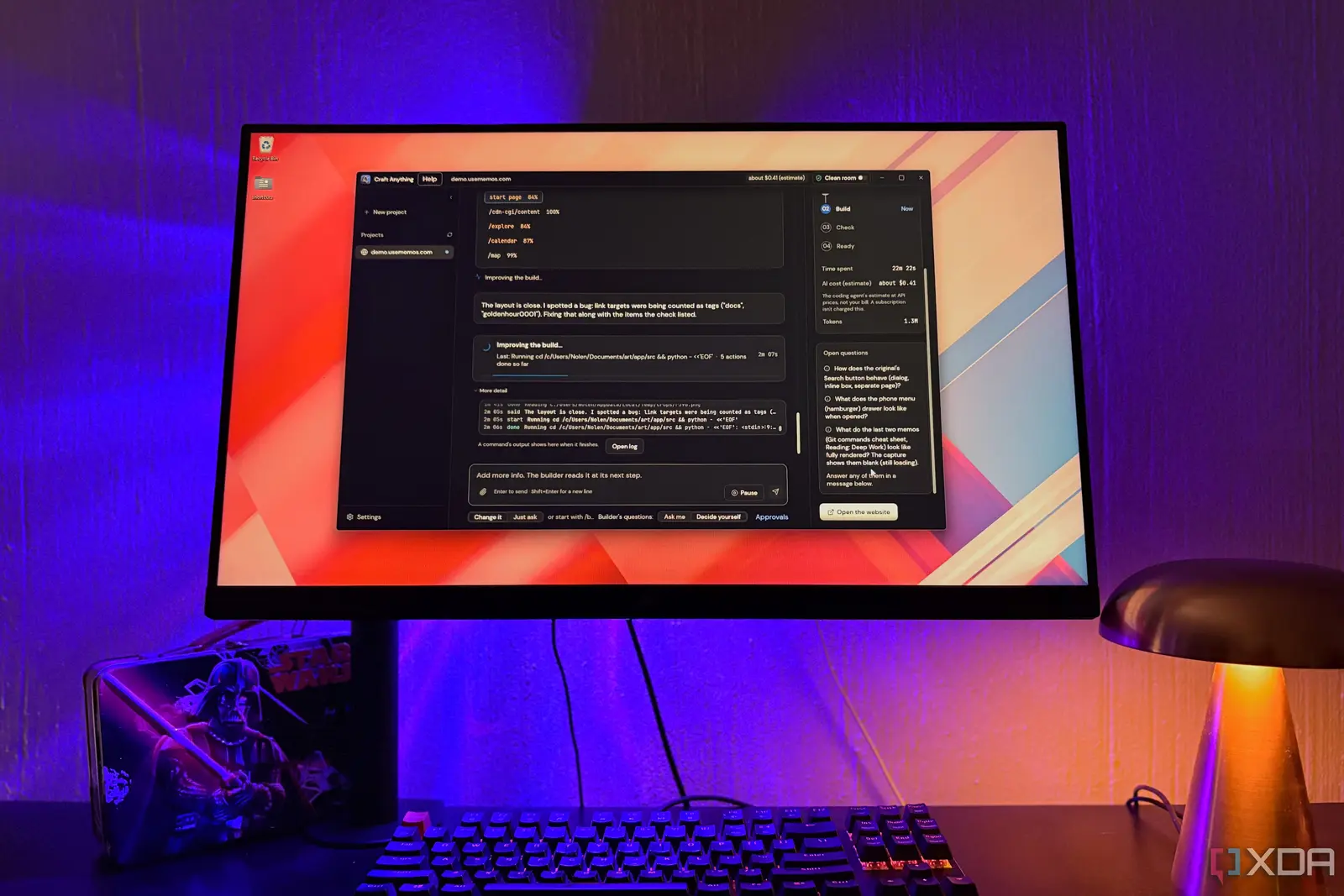 Open-Source Tools Challenge AI-Powered Development Platforms
 AI Infrastructure Bottlenecks: Why Release Pipelines Hold Back Fast Clusters
The new feature enables i Phone owners to store credit and debit cards for quick online checkouts. It also facilitates the management of digital receipts, loyalty cards, and tickets within the Google suite. While the app functions as a robust alternative to Apple’s native wallet, it does not include the Tap to Payfeature. Consequently, users cannot use their i Phone screen to pay at physical retail terminals via NFC. Instead, the app focuses on digital transactions and service integration across Google platforms.
The absence of tap-to-pay functionality stems from technical constraints between the two operating systems. Google’s wallet relies on specific hardware protocols that are tightly integrated into Android devices. Replicating this exact experience on iOS requires deeper system-level access that Google currently lacks. As a result, the app serves primarily as a bridge for online shopping and digital asset management. It allows users to keep their preferred payment cards accessible without switching to an Android phone. This compromise ensures compatibility while maintaining the distinct advantages of the Google ecosystem.
Does This Change the Mobile Payment Landscape?
This launch intensifies the rivalry between Apple and Google in the mobile commerce sector. For years, i Phone users were locked into Apple Wallet for most payment scenarios. Now, they have a viable second option for managing their digital assets. The update specifically targets users who prefer Google services for their daily needs. By offering a familiar interface on iOS, Google aims to capture a larger share of the US market. This strategy could pressure Apple to refine its own wallet features to maintain user retention.
The rollout is limited to the United States for now, with other regions expected to follow later. Analysts suggest this phased approach allows Google to test performance and gather user feedback. The lack of in-store tapping means the app is not a full replacement for Apple Wallet yet. However, it provides enough utility to justify adoption among heavy Google users. As both companies continue to innovate, the gap between their respective wallet offerings may narrow further.
Frequently Asked Questions
Is Google Wallet available on all i Phones? The application is currently available for iOS users in the United States. It supports standard i Phone models running compatible versions of the operating system.
Can I use it to pay at physical stores? You can use stored cards for online checkouts, but you cannot tap your phone at retail terminals. The tap-to-pay feature is missing in this initial iOS release.
Does it replace Apple Wallet entirely? It acts as an alternative for managing Google-linked services and online payments. It does not fully replace Apple Wallet for in-store NFC transactions at this stage.