What Prompted ICE's Decision?
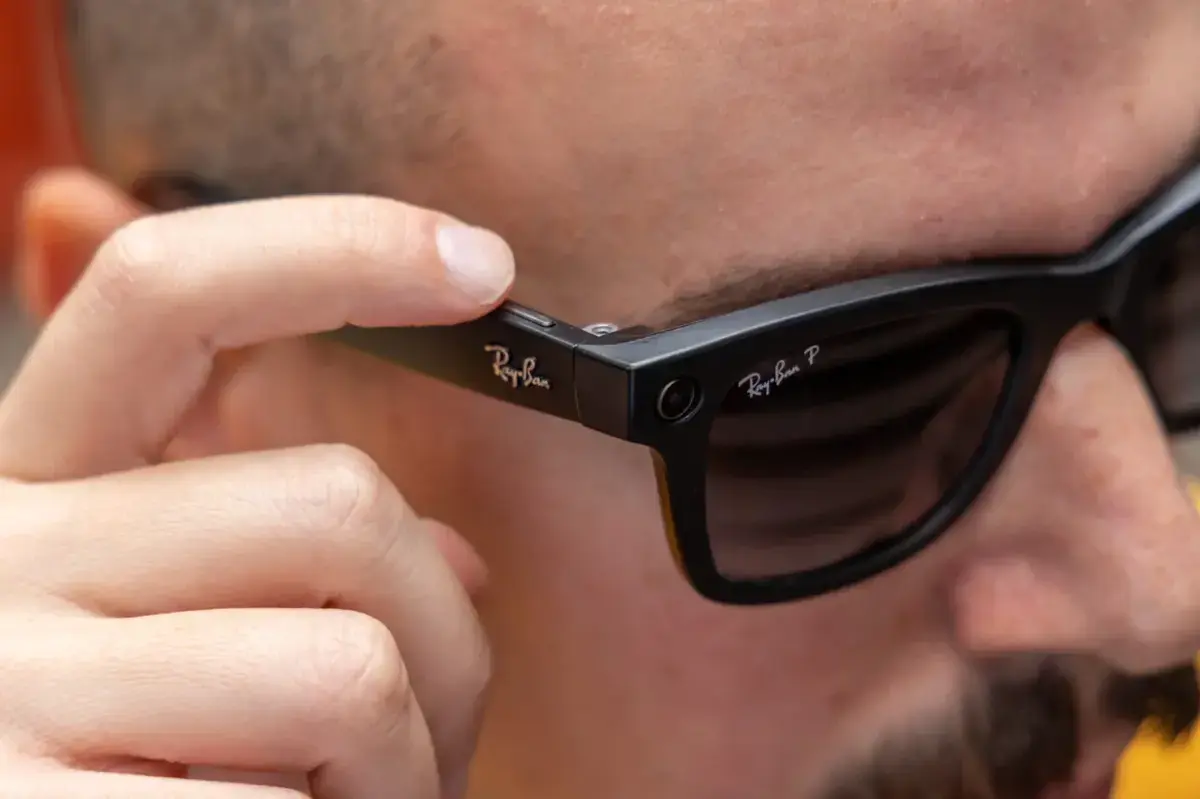
Immigration and Customs Enforcement (ICE) has joined the trend of organizations banning smart glasses. A memo revealed by the New York Times indicates that employees, including agents and office staff, are prohibited from wearing these devices. This decision stems from concerns about privacy and data security.
Breaking news
 How Predictive Diagnostics Are Reshaping the Automotive Insurance Ecosystem
 Preparing for the EU AI Act’s Strict Transparency Mandates
 Widespread Firebase SDK Failure Triggers Massive iOS App Crashes
 Former Tesla Engineers Secure Funding for Logistics Automation
The memo, issued on Tuesday, highlights ICE's growing apprehension regarding the potential risks associated with smart glasses. These devices can record video and audio, which raises significant privacy issues, especially given ICE's sensitive role in immigration enforcement. The agency is particularly cautious about how such technology could be misused or lead to unauthorized surveillance.
Smart glasses have gained popularity for their hands-free functionality and ability to connect to the internet. However, their capacity to capture and stream real-time information poses a threat to privacy. ICE's memo reflects a broader trend among various organizations that are increasingly wary of the implications of wearable technology.
Are Other Agencies Following Suit?
Privacy advocates have long warned about the risks associated with smart glasses. The potential for misuse, particularly in law enforcement, has led to calls for stricter regulations. ICE's decision underscores the agency's commitment to safeguarding personal information and maintaining public trust.
ICE is not alone in its concerns. Other law enforcement and government agencies have also moved to restrict the use of smart glasses. The growing awareness surrounding privacy rights and data protection is prompting a reevaluation of technology use in sensitive environments.
As technology evolves, agencies must navigate the fine line between innovation and privacy. The ban on smart glasses may serve as a precedent for other organizations grappling with similar issues. The implications of this decision could lead to more comprehensive policies regarding the use of technology in public and private sectors.
Frequently Asked Questions
The outlook for smart glasses in professional settings remains uncertain. As privacy concerns mount, the future of these devices may hinge on advancements in security features and clearer regulations. Organizations will need to balance technological benefits with the imperative to protect individual rights.
Why did ICE ban smart glasses? ICE banned smart glasses due to privacy concerns. The agency believes these devices could be misused for unauthorized surveillance, compromising sensitive information.
Are other organizations banning smart glasses as well? Yes, several law enforcement and government agencies are implementing similar bans. Growing privacy concerns are prompting a reevaluation of wearable technology in sensitive environments.