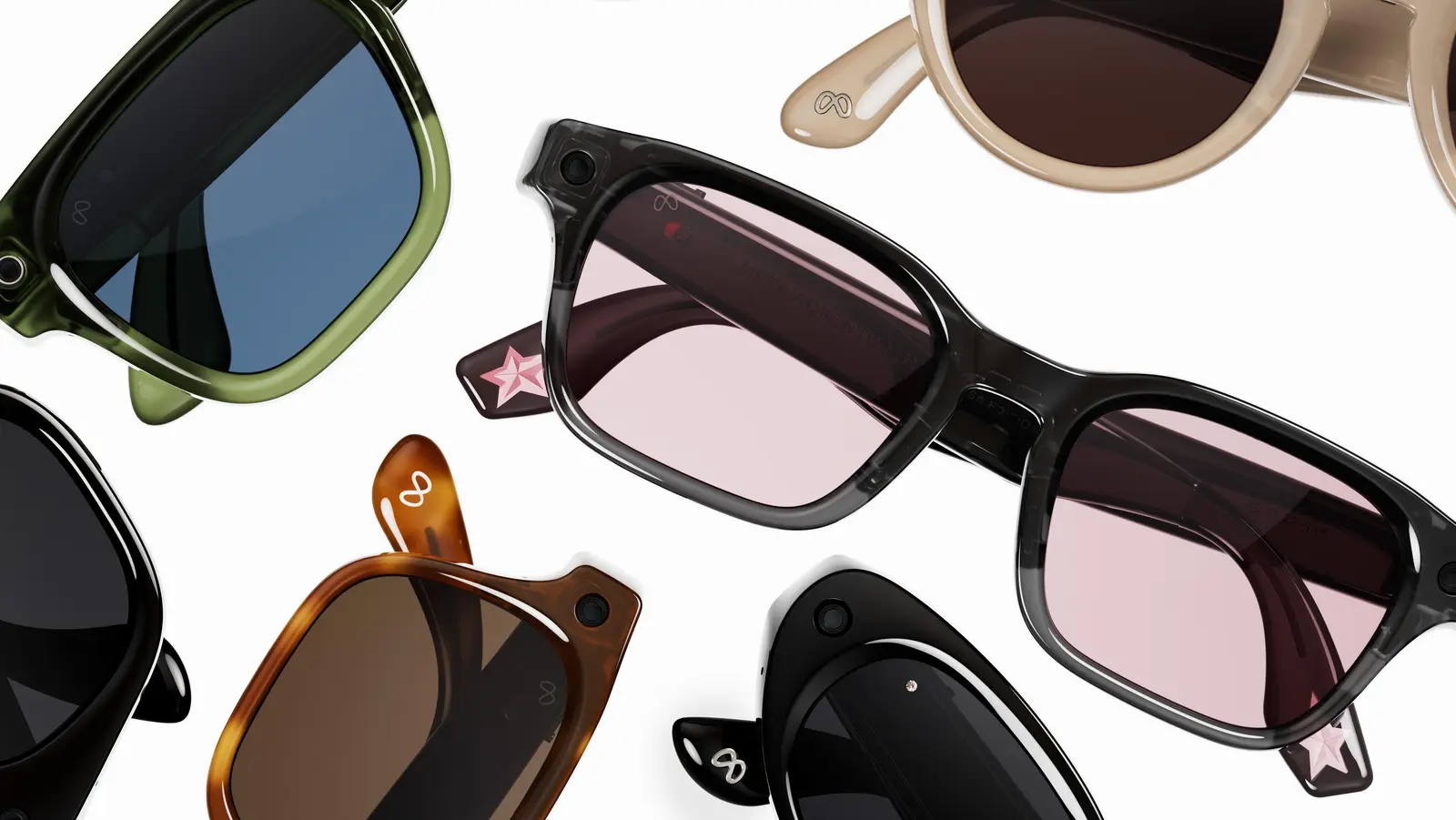
Advancements in Augmented Reality Hardware
Meta revealed a significant expansion of its hardware ecosystem during the annual Meta Connect event held this Wednesday. The company showcased a series of new wearable devices aimed at deepening the integration of augmented reality into daily life. These announcements mark a strategic shift toward more immersive personal computing experiences.
Breaking news
 Trump Orders Federal Agencies to Adopt „Super Intelligence” Terminology
 The Silicon Valley Accountability Gap
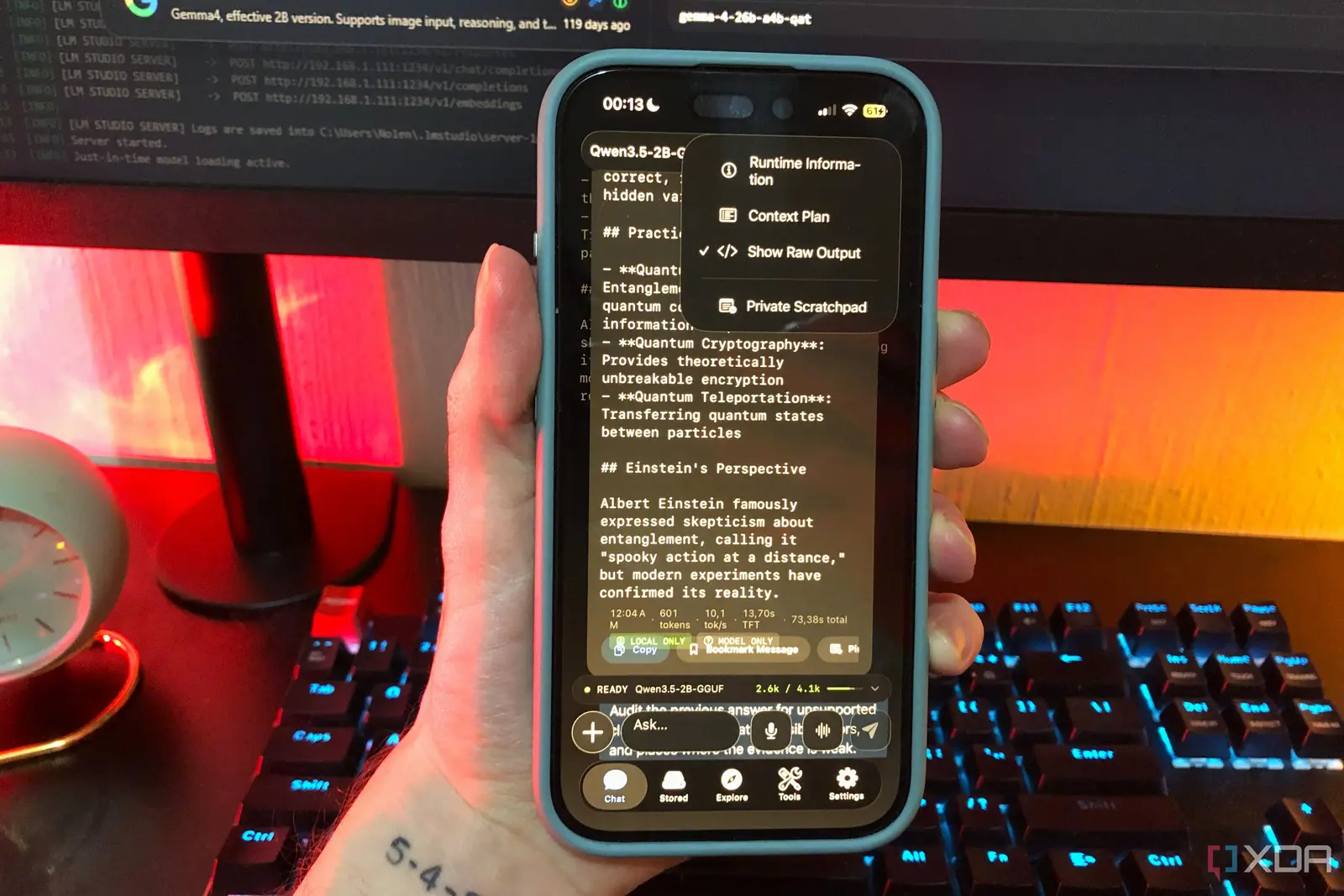 Running a Local AI Model on a Phone Handles Most Chat Prompts
 Google Photos Could Soon Offer a Fresh Start with Ask Photos Feature
The showcase focused on refining existing product lines while introducing hardware designed to blur the lines between digital and physical environments. Executives emphasized that these tools are built to facilitate seamless communication and interaction. By prioritizing lightweight designs and enhanced processing power, Meta aims to make its vision of the metaverse more accessible to the average consumer.
The latest devices feature improved display technology that allows for sharper visuals in various lighting conditions. Engineers have successfully reduced the physical footprint of the headsets, making them more comfortable for extended periods of use. Integrated sensors now provide more accurate spatial tracking, allowing users to interact with virtual objects with greater precision.
Will These Devices Replace Traditional Computing?
These updates reflect a broader push to move beyond traditional screens. By anchoring digital information directly into the user's field of view, the new hardware enables hands-free productivity. The company also highlighted software improvements that allow for more natural gestures and voice commands, further simplifying the user experience.
The long-term goal remains the transition from handheld devices to wearable interfaces. While these products represent a major step forward, they currently serve as companions to existing smartphones and computers. Meta is betting that as the ecosystem grows, developers will create more sophisticated applications that justify a complete shift in how we interact with technology.
Market analysts suggest that the success of these wearables depends on software support and user adoption rates. If the company can maintain its current pace of innovation, these tools could eventually redefine personal computing. For now, the focus remains on perfecting the hardware to ensure long-term reliability and consumer comfort.
Frequently Asked Questions
What is the primary focus of the new Meta hardware? The new devices prioritize augmented reality integration and improved comfort for daily use. They aim to provide a more immersive experience than traditional screens.
Are these devices intended to replace smartphones immediately? No, the current hardware is designed to complement existing devices. They act as an extension of one's digital life rather than a full replacement for mobile phones.
How has the design changed from previous models? The latest iterations are significantly lighter and feature more advanced sensors. These changes allow for better spatial tracking and more natural interactions with virtual content.