The Edge 70 Max’s Unique Features and Their Limits
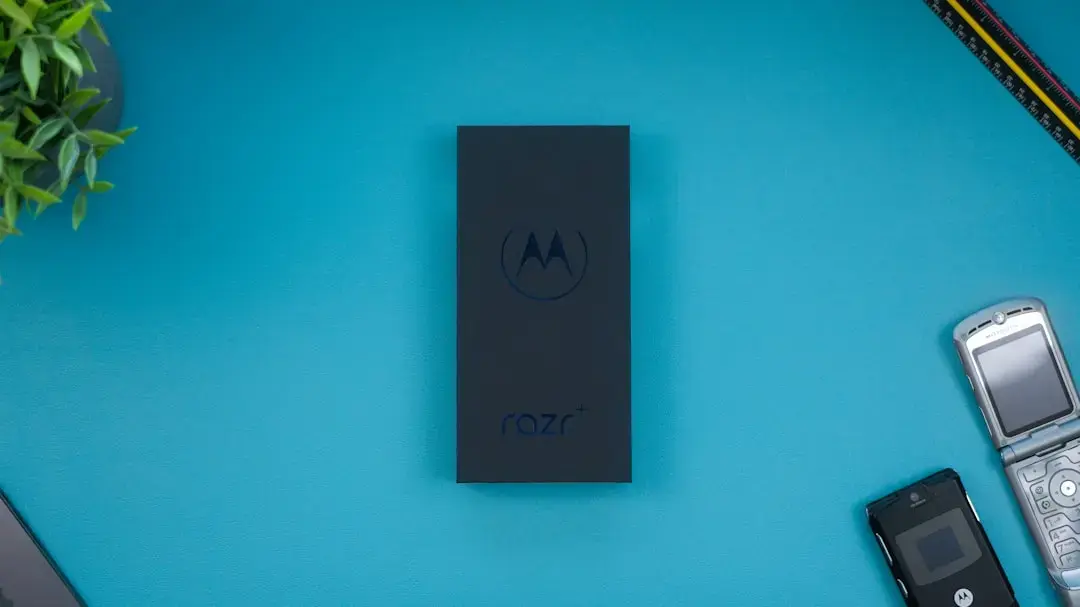
Motorola announced the Edge 70 Max on Tuesday, positioning it as a niche Android flagship with built‑in Qi2 magnetic charging. The release comes amid growing criticism that the company consistently lags months behind Google’s Android releases, offering only minimal support for many of its devices.
Breaking news
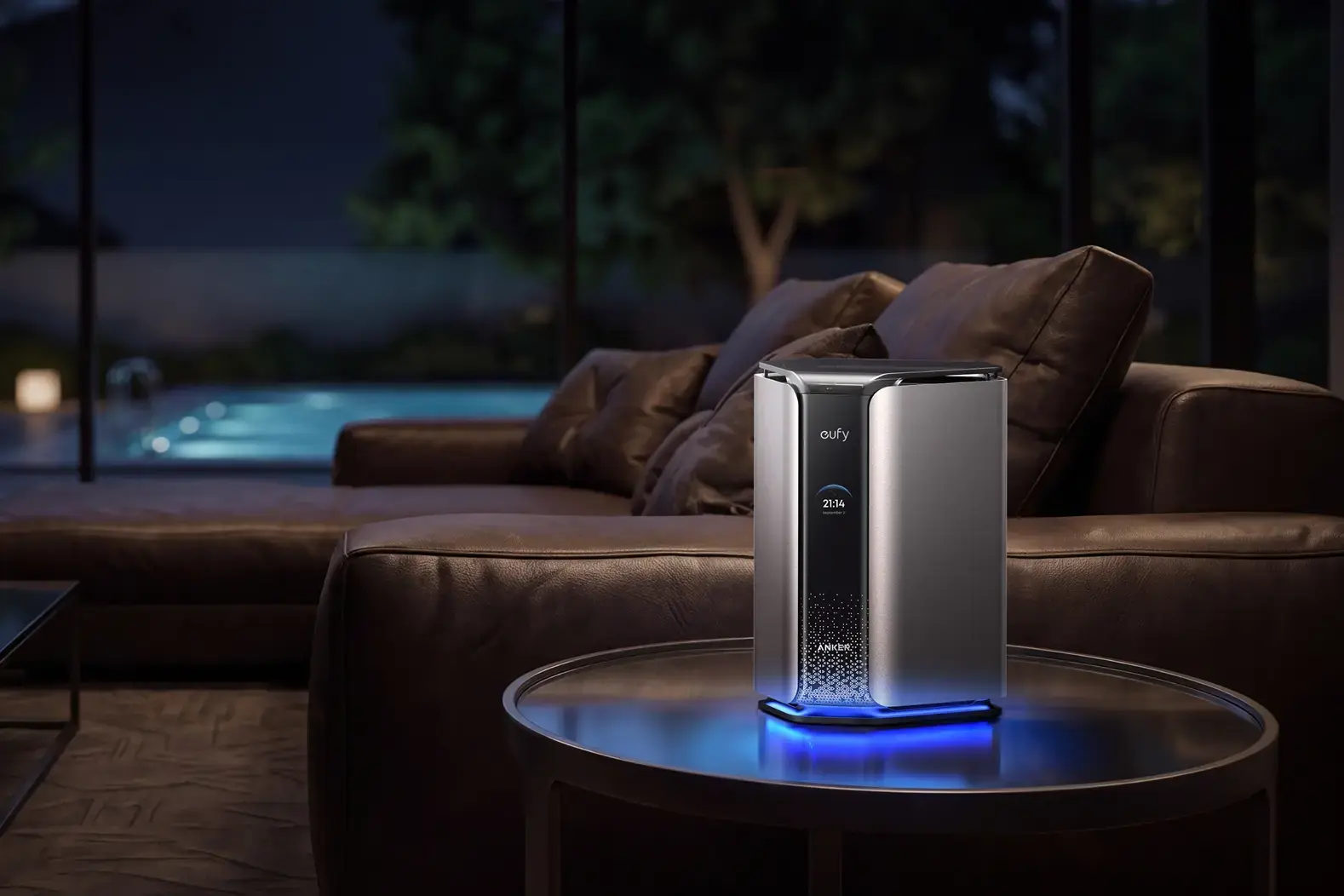 Eufy Unveils Local AI Home Security Ecosystem at IFA
 The Rapid Evolution of Data Center Security in the AI Era
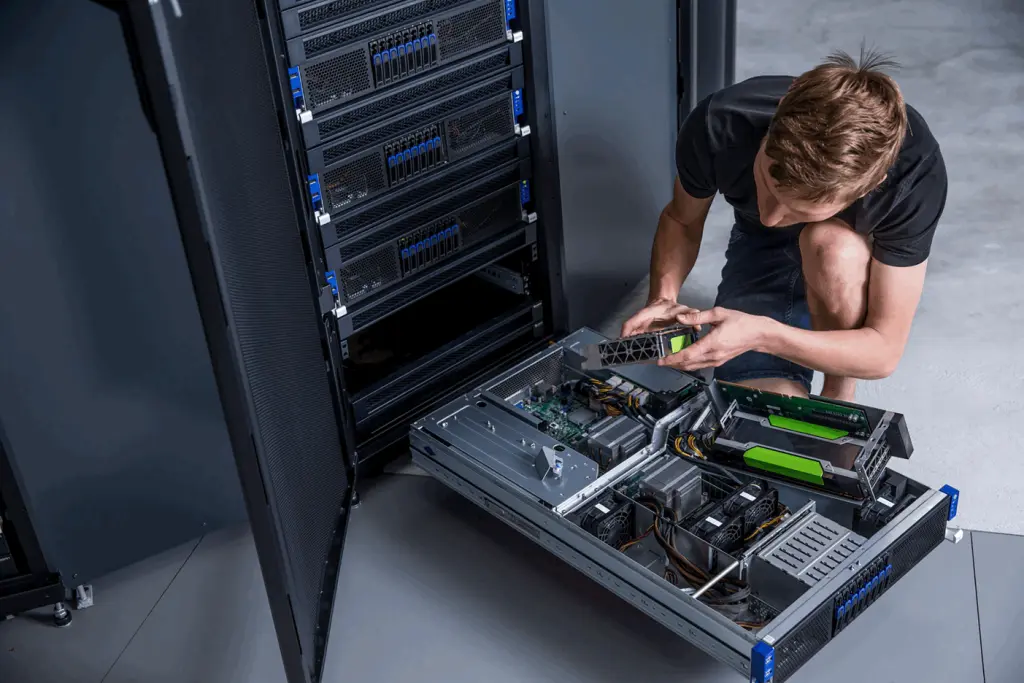 The High-Voltage Risks Facing Modern AI Data Centers
 Apple’s New CEO Renames Lake Ontario To Lake America In Maps App
The new handset illustrates the brand’s contradictory messaging. While Motorola touts „fast updates” in its marketing, the Edge 70 Max will receive Android 14 three months after Google’s official rollout, a delay that mirrors the company’s recent history. Analysts point to a fragmented update schedule across Motorola’s portfolio, where older models often receive only security patches, and flagship phones sometimes miss major version upgrades entirely. This pattern erodes consumer confidence and fuels speculation about Motorola’s long‑term software strategy.
The Edge 70 Max distinguishes itself with integrated Qi2 magnets, allowing magnetic accessories to attach without a case. This hardware innovation aims to attract power‑user enthusiasts who value convenience. However, the device’s software promises fall short. Motorola’s update roadmap lists „up to two major Android versions,” yet the company has historically delivered fewer than promised. Early reviewers note that the phone’s custom skin adds noticeable bloat, potentially slowing performance and complicating future updates.
Will Motorola’s Update Promises Ever Align With Reality?
Consumers wonder whether Motorola can reconcile its marketing hype with the practicalities of delivering timely software. The company cites resource constraints and a „diverse device ecosystem” as reasons for delays, but competitors manage more efficient rollouts despite similar challenges. If Motorola fails to improve, it risks losing market share to rivals like Samsung and Google, which prioritize prompt updates as a selling point. Industry observers suggest that a clearer, device‑specific commitment could restore trust, but such a shift requires structural changes in the company’s development pipeline.
The Edge 70 Max launch underscores a broader dilemma: innovative hardware cannot compensate for unreliable software support. As Android continues to evolve rapidly, users expect seamless upgrades and security patches. Motorola’s inability to meet these expectations may push loyal customers toward brands with more transparent update policies. The company’s next steps—whether tightening its update schedule or redefining its promise language—will determine its relevance in an increasingly update‑driven market.
Frequently Asked Questions
Why does Motorola lag behind Google’s Android releases? Motorola’s fragmented product line and limited engineering resources often cause delays, especially for older or lower‑priced models that receive minimal priority.
What is Qi2 magnetic charging, and does it affect software updates? Qi2 is a magnetic standard that simplifies accessory attachment. It does not influence software updates, but the added hardware may require additional firmware support, complicating the update process.
Can owners expect future Android versions on the Edge 70 Max? Motorola promises up to two major Android upgrades, but past performance suggests the Edge 70 Max may receive only one or delayed versions, depending on the company’s internal priorities.