How Companies Can Avoid Naming Conflicts
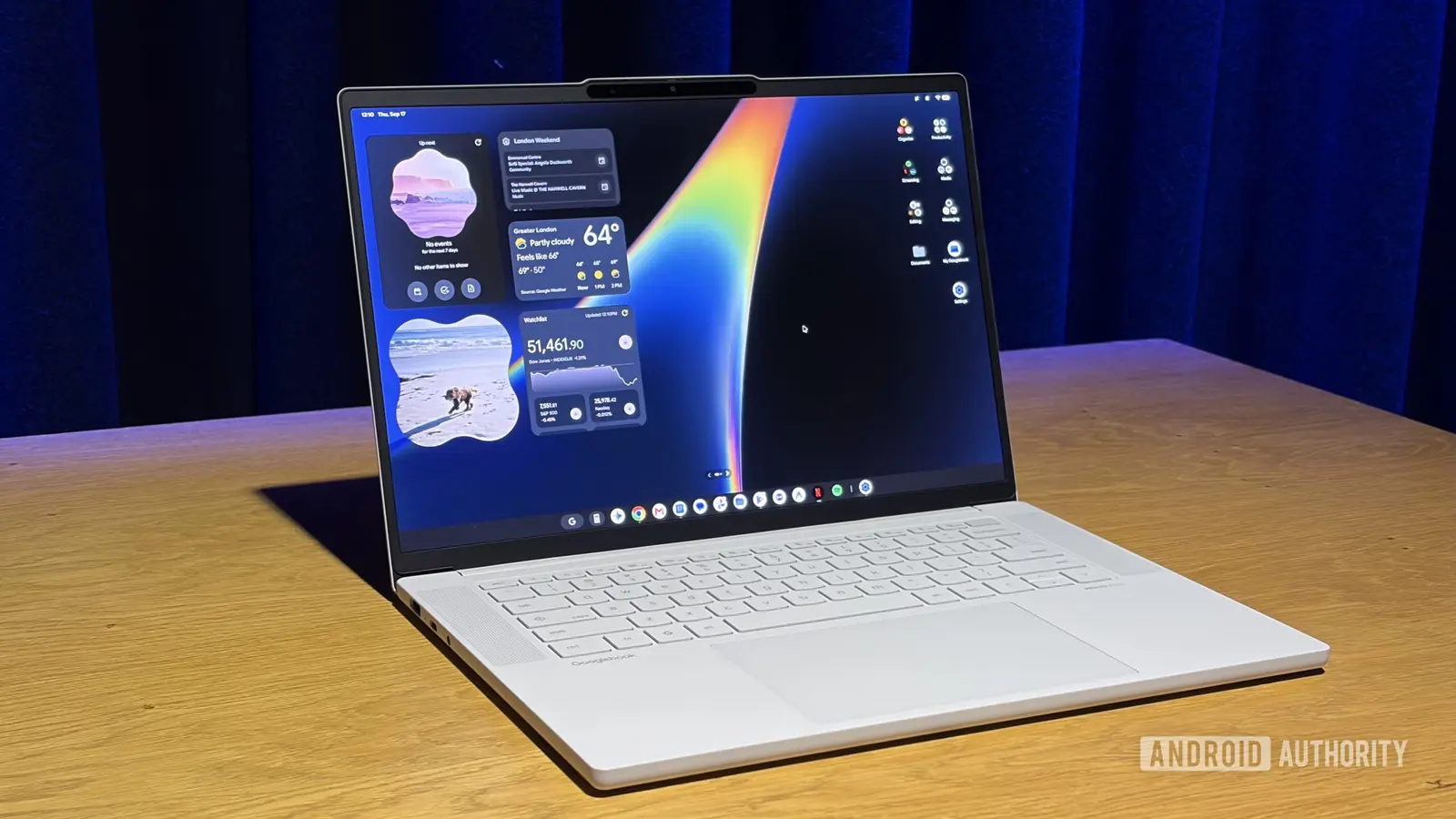
A recent launch of a laptop line called „Googlebooks” has led to unexpected search outcomes. The devices, unveiled in late September 2026, share a name strikingly similar to Google’s extensive digital library. When users type „Googlebooks” into Google’s search bar, the first page of results is dominated by the company’s book catalog rather than the new hardware.
Breaking news
 The Silicon Valley Accountability Gap
 Running a Local AI Model on a Phone Handles Most Chat Prompts
 Google Photos Could Soon Offer a Fresh Start with Ask Photos Feature
 Bill Gates Warns AI Risks Are Already Here, Not Just in the Future
The confusion stems from the overlap in terminology. Google’s book index, known for housing millions of digitized titles, has long been indexed under the term „Googlebooks.” The newly released laptops, designed for business and creative professionals, were marketed under the same moniker. As a result, the search engine’s algorithm prioritizes the book database, pushing the laptop listings further down the page.
Frequently Asked Questions
Search engines rank pages based on relevance, authority, and user intent. Because the book index has been indexed for years and receives high traffic, it outranks the fresh laptop pages. Even though the laptops are a new product, their content is still being crawled and indexed, but the algorithm interprets the query as a request for books. Users looking for the devices often end up on pages about e Books, authors, and digital libraries instead of product specifications or pricing.
Companies must research existing trademarks and search engine indexing before naming products. A simple keyword analysis can reveal whether a term is already heavily associated with another service. In this case, a different name—such as „GoogleBooklets” or „GoogleBooks Pro”—might have avoided the clash. Additionally, creating dedicated landing pages with clear titles and meta descriptions can help search engines distinguish between products and services.
The fallout for consumers is mild but noticeable. Potential buyers must sift through irrelevant results or use advanced search operators to find the laptops. Retailers and marketing teams may need to adjust their SEO strategies, adding unique keywords and structured data to improve visibility.