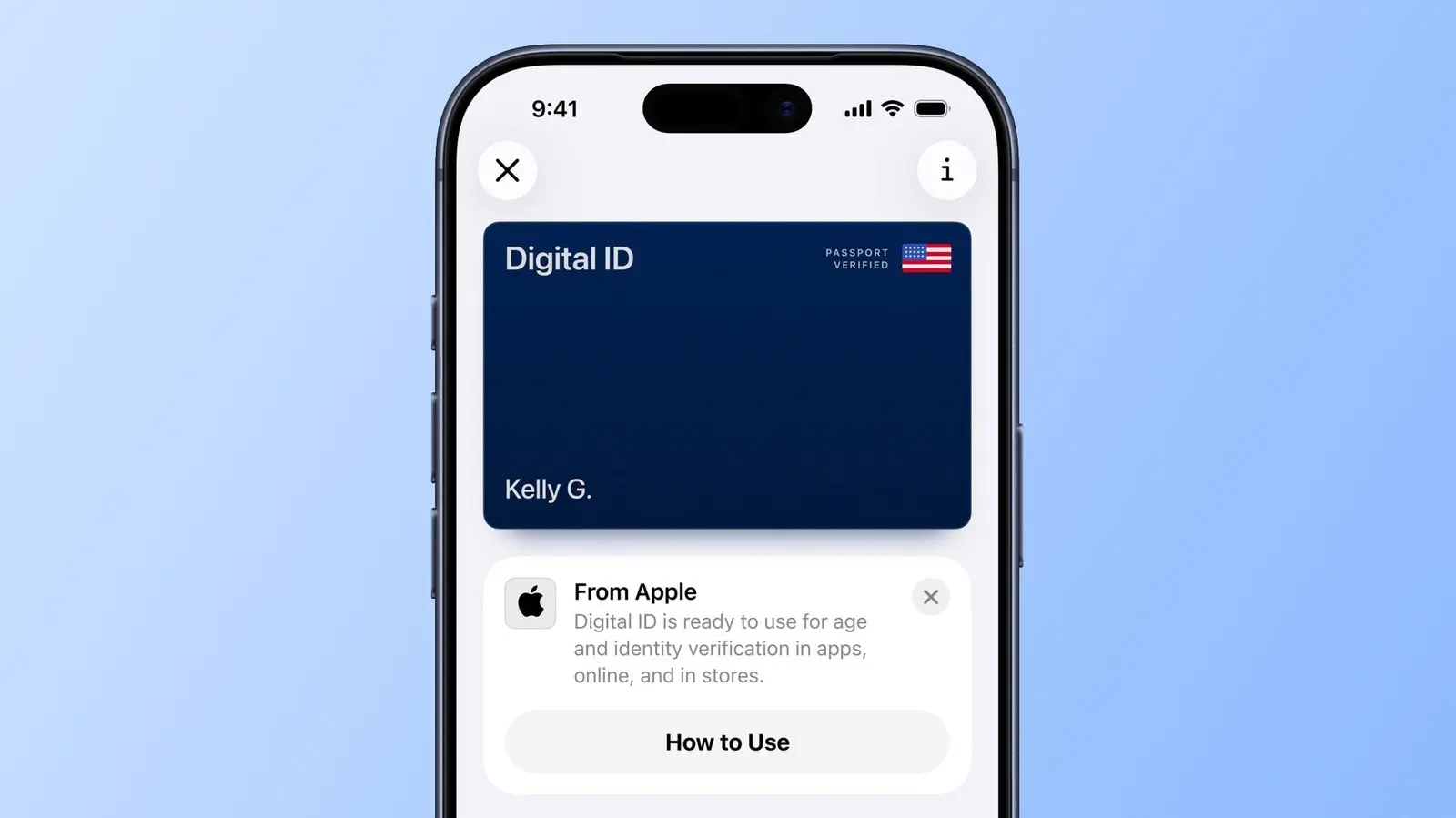
Why Beta Software Poses Risks for Essential Functions
Apple released the iOS 27 beta in early September 2026, introducing a new Digital ID feature intended to let users store driver’s licenses and passports in the Wallet app. However, a critical bug emerged that caused the Digital ID to fail verification at airport security checkpoints. Travelers who installed the beta on their primary devices encountered issues when trying to use their digital credentials, with scanners returning errors or failing to read the data entirely. The glitch was not widely publicized before release, leaving many users unaware of the risk until they faced problems during travel.
Breaking news
 Trump Orders Federal Agencies to Adopt „Super Intelligence” Terminology
 The Silicon Valley Accountability Gap
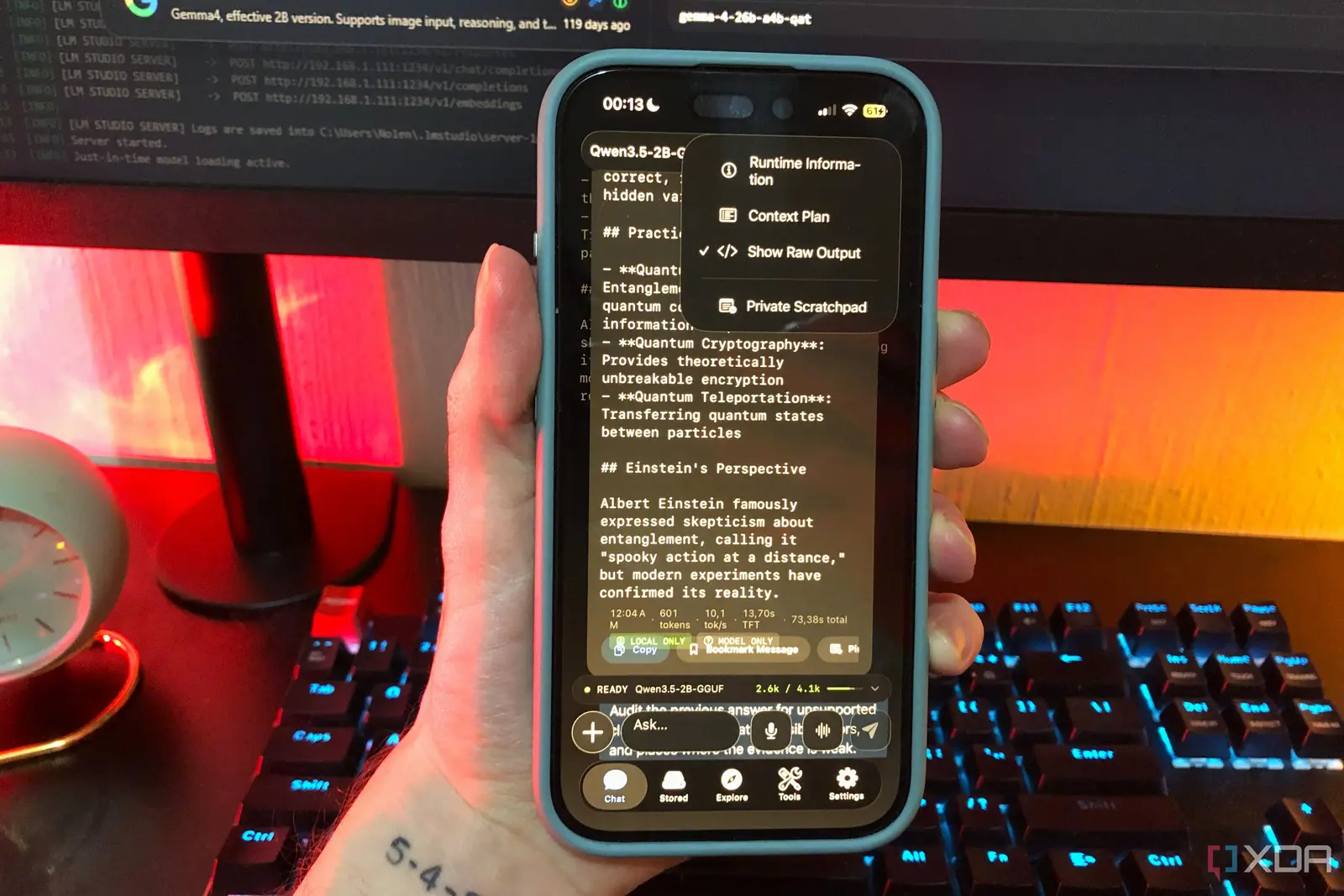 Running a Local AI Model on a Phone Handles Most Chat Prompts
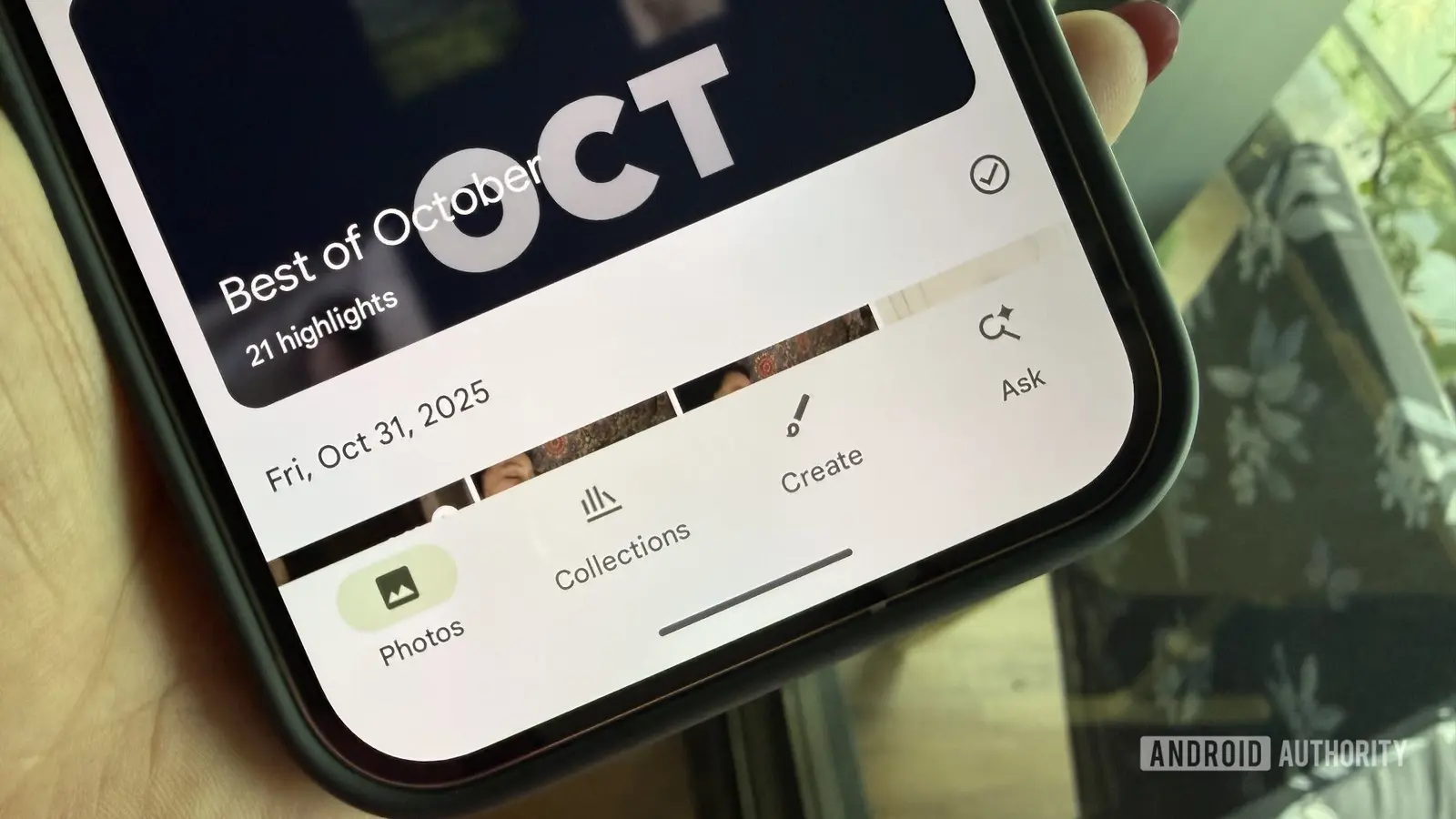 Google Photos Could Soon Offer a Fresh Start with Ask Photos Feature
The flaw appeared to stem from a mismatch in how the beta version handled encrypted data transmission between the Secure Element and external readers. While the feature worked in controlled tests, real-world conditions at airports revealed inconsistencies in signal strength and timing. Apple’s internal testing had not simulated the full range of airport scanner models and environmental variables. As a result, the Digital ID would sometimes appear valid on the phone screen but fail to authenticate externally. The issue was first reported by frequent travelers using the beta for daily use, who noted repeated failures at TSA PreCheck lanes and international terminals.
What Happens When a Digital ID Fails at Checkpoint?
Using beta operating systems on devices relied upon for identification, payment, or access introduces avoidable vulnerabilities. Unlike stable releases, beta software undergoes limited real-world stress testing and may contain unresolved bugs that affect core functionalities. In this case, the Digital ID feature, though innovative, depended on precise hardware-software coordination that the beta disrupted. Apple typically warns users against installing betas on primary devices, especially for travel, finance, or health-related tasks. Yet many users install them for early access to new features, unaware of the potential consequences when those features fail in high-stakes scenarios.
When a Digital ID fails to verify, travelers must fall back on physical identification, which can cause delays, missed flights, or additional screening. In some instances, passengers were subjected to secondary inspection due to the inability to confirm identity electronically. While no cases of denied boarding were reported in connection with this glitch, the inconsistency undermined trust in the system. Airport staff are not always equipped to handle digital ID failures gracefully, and protocols vary by location and airline. The incident highlighted the importance of having a backup plan when relying on emerging technologies for identity verification.
Was the iOS 27 beta Digital ID glitch fixed in later updates? Yes, Apple addressed the issue in a subsequent beta seed released two weeks after the initial report, correcting the data transmission protocol.
Frequently Asked Questions
Should travelers ever use beta software on their primary phones? No, experts recommend using beta versions only on secondary devices not used for essential tasks like travel, banking, or access control.
Can a failed Digital ID lead to travel denial? While a failed scan alone doesn’t typically result in denial, it can trigger additional verification steps that may cause delays or missed connections if not resolved quickly.