How Firmware Manipulation Creates Fake Storage Capacity
Online shoppers seeking affordable storage solutions often encounter listings for 2TB USB flash drives priced far below market value, raising immediate red flags about legitimacy and performance. These deals, frequently found on third-party marketplaces, promise massive capacity at suspiciously low costs, exploiting consumer demand for budget-friendly tech upgrades. As of September 2026, reports indicate a persistent surge in such misleading offers, particularly targeting users unfamiliar with flash storage limitations and common scam tactics.
Breaking news
 Town AI Secures $108 Million Series B, Valued at $1 Billion After $55 M Pre‑Series
 Apple Prepares for Major Product Launch Event on October 28
 Apple Releases Release Candidates for watchOS, tvOS and visionOS 27.2
 Apple Limits iPhone Duo and iPhone 18 Pro Max to Reservation-Only Sales in Japan and South Korea
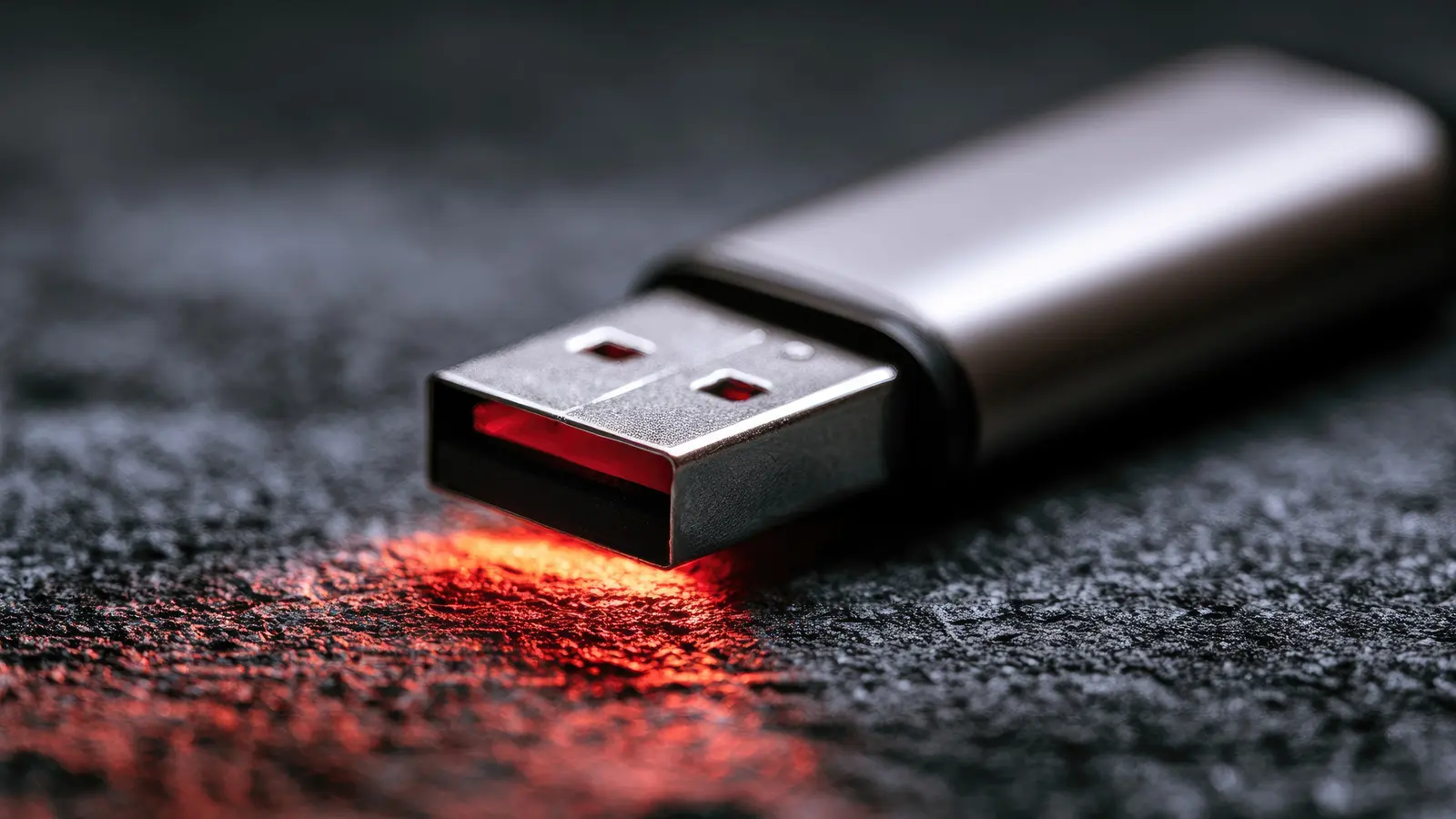
The core issue lies in the fundamental mismatch between advertised specifications and actual hardware capabilities. Genuine 2TB flash drives remain expensive due to the cost of high-density memory chips and controller technology, typically retailing for over $100. Scammers instead reprogram low-capacity drives—often 16GB or 32GB—to falsely report 2TB of space through manipulated firmware. When users attempt to save large files, the drive overwrites existing data or fails silently, resulting in irreversible data loss. This practice, known as capacity spoofing, has evolved alongside advancements in chip reprogramming tools, making detection harder for average buyers.
What Happens When You Rely on a Fake Drive?
Scammers exploit the USB mass storage device class standard, which allows devices to communicate their reported size to host systems. By altering the drive’s firmware, they modify the response to read capacity commands, tricking operating systems into displaying 2TB of available space. However, the physical memory chips cannot support this capacity, causing write operations to loop back to the beginning of the storage once the real limit is reached. For example, saving a 4GB video file might appear successful, but subsequent files corrupt or replace earlier data. Independent testing by consumer tech groups in mid-2026 confirmed that over 90% of drives advertised as 2TB for under $20 exhibited this behavior, with failure rates increasing under sustained use.
Users often discover the fraud only after transferring critical files, such as photo archives or work documents, only to find them inaccessible or corrupted. The delay in detection—sometimes weeks or months—compounds the damage, as backups may also be compromised if stored on the same faulty device. Beyond data loss, these drives pose minimal direct security risks like malware injection, though experts warn that compromised firmware could theoretically be repurposed for more harmful purposes in the future. Financial recourse is limited, as refunds from unverified sellers are rarely honored, and platforms struggle to keep pace with rapidly evolving scam listings.
How can I verify if a USB flash drive’s advertised capacity is genuine? Use free tools like H2testw (Windows) or F3 (Mac/Linux) to perform a full write-and-read test across the entire advertised space. Genuine drives will complete the test without errors, while fake drives fail quickly, often within the first few gigabytes.
Frequently Asked Questions
Are there any legitimate ultra-cheap 2TB flash drives available? No. As of 2026, the manufacturing cost for authentic 2TB NAND flash storage exceeds $15, making drives sold for under $20 virtually guaranteed to be misrepresented. Pricing significantly below $60 for a 2TB drive should trigger immediate skepticism.
What’s the safest way to buy high-capacity USB storage? Purchase from reputable retailers or official brand stores, verify seller ratings and return policies, and avoid deals that seem too good to be true. Prioritize drives with certified speed ratings (USB 3.2 Gen 2 or higher) and multi-year warranties from established manufacturers.