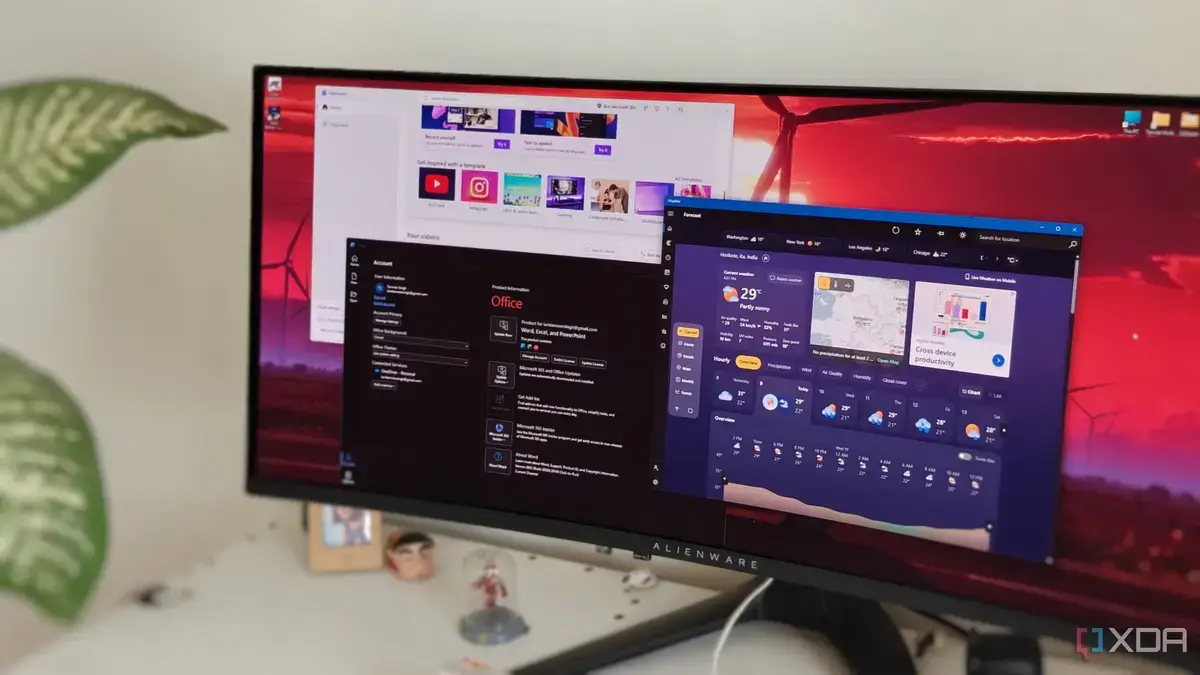
How Default Windows Apps Streamline Work
A tech expert recently shared surprising insights into the effectiveness of standard Windows applications. Many users overlook these pre-installed tools, often seeking third-party alternatives. However, these built-in programs can significantly enhance daily workflow without needing extra downloads.
Breaking news
 Why Authentic Social Signals Matter for AI Training Data Quality
 How Passive Mobile Execution Is Reshaping Digital Labor Economics
 Algorithmic Transparency: How Quantitative Discipline Reshapes Digital Asset Markets
 Why Technical SEO Scanning Is Essential for Modern Web Performance
The observation highlights that users might be missing out on powerful, readily available resources. These applications are designed to integrate seamlessly with the operating system. Their presence means less time spent searching for and installing new software.
Are Third-Party Apps Always Necessary?
The core benefit lies in their immediate availability and integration. Programs like Mail, Calendar, and Photos are not just basic utilities. They offer robust features that rival many standalone applications. For instance, the Snipping Tool or Snip & Sketch provides quick and efficient screen capture. This eliminates the need for more complex screenshot software.
Furthermore, the simplicity of these apps often translates to better performance. They are typically optimized for Windows, leading to fewer crashes and faster operation. This reliability is a major plus for anyone focused on getting tasks done quickly. The Sticky Notes app, for example, offers a simple yet effective way to jot down reminders. This keeps important information readily accessible on the desktop.
# Which built-in Windows apps are most useful for productivity?
The common assumption is that third-party software offers superior functionality. While this can be true for highly specialized tasks, it's not always the case for everyday computing. Many users install external programs for functions already present in Windows. This can lead to system bloat and potential security risks.
Relying on built-in apps can also simplify system maintenance. There are fewer programs to update and troubleshoot. This approach fosters a more streamlined and secure computing environment. It encourages users to explore what they already have before looking elsewhere.
# Can built-in apps replace all third-party software?
This perspective suggests a re-evaluation of how we approach software use. By leveraging the tools already provided, users can achieve better efficiency. It proves that sometimes, the best solutions are the ones you already own.
Apps like Mail, Calendar, Photos, Snipping Tool, and Sticky Notes are highly effective. They offer essential functionalities for communication, organization, and quick note-taking, streamlining daily tasks.
# What are the benefits of using default Windows apps?
While they are highly capable for many common tasks, specialized professional software may still be necessary. However, for general productivity and everyday use, Windows' default apps often suffice, reducing the need for external installations.
Using built-in apps offers several advantages, including seamless integration, better system performance, and enhanced security. They are readily available, reduce system bloat, and simplify software management and updates.