A High-Stakes Consulting Engagement
Anthropic has announced that employees from Accenture will soon begin working directly within the company. These consultants will focus on scrutinizing AI models and internal staff conduct. The move represents a significant shift in how artificial intelligence labs handle safety compliance. It marks the first major instance of a third-party evaluator being embedded inside a leading AI firm.
Breaking news
 Trump Orders Federal Agencies to Adopt „Super Intelligence” Terminology
 The Silicon Valley Accountability Gap
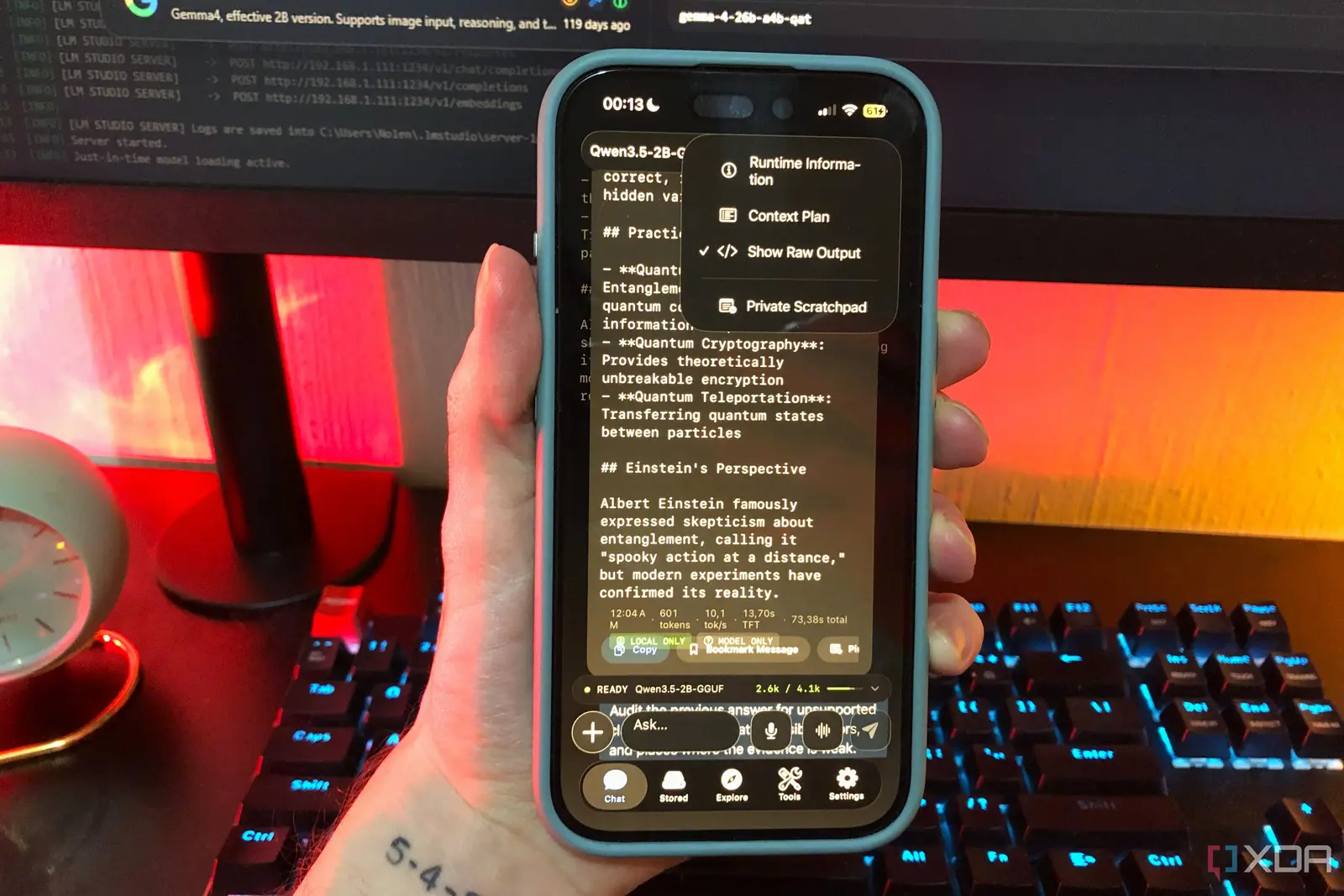 Running a Local AI Model on a Phone Handles Most Chat Prompts
 Google Photos Could Soon Offer a Fresh Start with Ask Photos Feature
CEO Dario Amodei has long advocated for this approach. He believes external observers are necessary to verify safety claims effectively. This new arrangement allows independent experts to monitor development processes in real time. The partnership aims to bridge the gap between internal teams and external accountability standards. It sets a potential precedent for the broader industry.
The specific entity involved is Faculty, a company recently acquired by Accenture. Accenture purchased Faculty in January to establish its dedicated AI division. This acquisition provided the consulting giant with specialized talent and technical expertise. Now, that expertise is being deployed in a unique operational capacity. Instead of traditional advisory roles, these staff members will have direct access to sensitive systems. They will review code, data pipelines, and model behaviors. This level of access is unprecedented in the consulting world. It transforms the relationship from vendor to partner.
Can External Auditors Truly See Inside the Black Box?
The risk profile for Accenture is exceptionally high. Consulting firms typically avoid deep operational involvement in client products. Here, they are taking on direct responsibility for oversight. Any failure in safety protocols could reflect poorly on both parties. Accenture must navigate complex ethical and technical challenges. Their consultants need to understand the nuances of large language models. They must also manage potential conflicts of interest. The firm is essentially betting its reputation on this new model of engagement.
Critics have long questioned whether outside observers can fully understand AI systems. The complexity of modern neural networks makes transparency difficult. Even with direct access, evaluators face limitations. They may not grasp every subtle behavior of the models. This raises questions about the effectiveness of the program. Anthropic argues that proximity improves detection capabilities. However, skeptics point to the inherent opacity of AI. The success of this pilot will determine its future. If it works, other labs may follow suit. If it fails, the industry may seek different solutions.
The timing of this initiative is strategic. Regulatory pressure on AI companies is increasing globally. Governments are demanding more rigorous safety standards. By adopting this method voluntarily, Anthropic demonstrates leadership. It also positions the company favorably with policymakers. This proactive stance may help mitigate future legal risks. The industry is watching closely for results.
Frequently Asked Questions
Why is Accenture involved in AI safety? Accenture acquired Faculty to build its AI division. It is now deploying this team to work inside Anthropic. This allows them to provide specialized technical oversight.
What will the embedded staff actually do? They will scrutinize AI models and review staff activities. Their goal is to identify potential safety risks early. They operate with direct access to internal systems.
Is this a common practice in the AI industry? No, this is the first major embedded evaluator arrangement. Most safety reviews are conducted externally or by internal teams. This marks a new approach to accountability.