From Stick Figures to Professional Renders
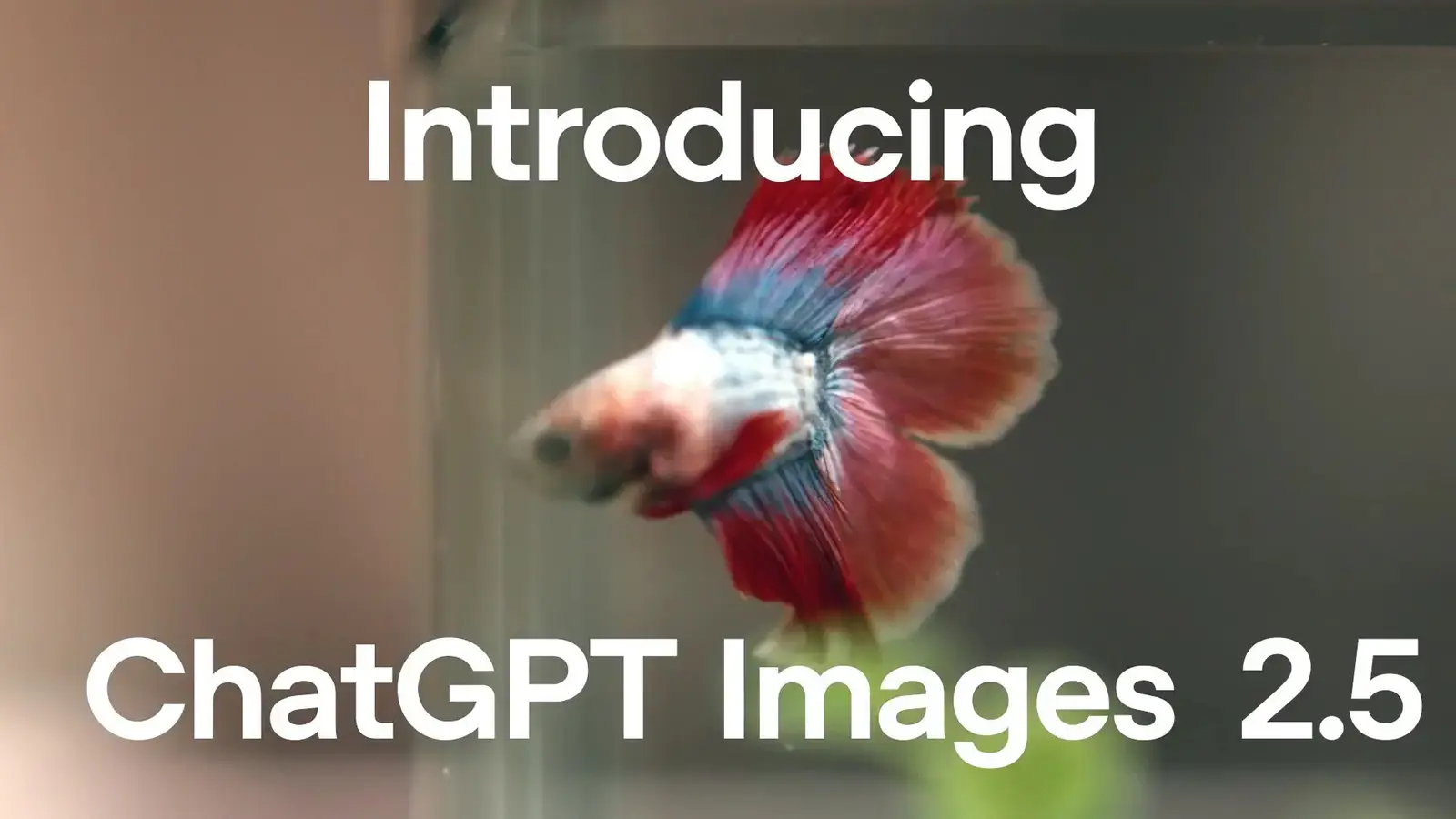
OpenAI has introduced a new feature called ChatGPT Sketch that transforms simple, hand-drawn sketches into high-quality rendered images. This tool allows users to create complex visual outputs without needing professional artistic skills. The system interprets basic lines and shapes to generate detailed artwork. It targets casual creators who want to visualize ideas quickly. The launch marks a significant step in making AI image generation accessible to non-artists. Users can upload their drawings directly into the chat interface. The technology bridges the gap between quick concepting and final design.
Breaking news
 Trump Orders Federal Agencies to Adopt „Super Intelligence” Terminology
 The Silicon Valley Accountability Gap
 Running a Local AI Model on a Phone Handles Most Chat Prompts
 Google Photos Could Soon Offer a Fresh Start with Ask Photos Feature
The process relies on the underlying large language model to understand spatial relationships within a drawing. When a user uploads a sketch, the AI analyzes the composition, perspective, and intended subject matter. It then applies texture, lighting, and color to produce a finished piece. This capability removes the steep learning curve associated with traditional digital painting software. The feature works best when the input contains clear outlines and distinct objects. Ambiguous scribbles may result in unpredictable outcomes. OpenAI designed this tool to lower barriers for developers, designers, and hobbyists.
How Does the AI Interpret Your Doodles?
The core promise of this technology is simplicity. If a person can draw a stick figure, they possess the necessary skills to utilize this platform. The system does not require precise vector graphics or high-resolution inputs. A quick napkin sketch suffices for many generations. Users report that the AI excels at interpreting intent rather than just pixel data. For example, a rough circle labeled sunbecomes a realistic celestial body with atmospheric effects. The tool supports various styles, from photorealism to cartoonish aesthetics. Creators can iterate rapidly by modifying their sketches and regenerating the output. This workflow encourages experimentation over perfection. The speed of iteration allows teams to test multiple design concepts in minutes rather than hours.
The interpretation engine looks for semantic cues within the line work. It identifies common symbols, such as wheels for vehicles or windows for buildings. Context clues help the model determine the scale and environment of the scene. The AI also considers the aspect ratio and framing of the uploaded image. If a sketch appears cramped, the render might feel crowded unless adjusted. Users can add text prompts alongside the sketch to guide the style. For instance, adding cyberpunk neondirects the color palette and mood. The combination of visual input and textual instruction yields highly specific results. This dual-input method gives users granular control over the final product. It prevents the AI from guessing incorrectly about abstract elements.
OpenAI positions this feature as a bridge between imagination and execution. It empowers individuals to communicate visual ideas without technical expertise. As adoption grows, we may see more collaborative workflows where teams sketch together and let AI handle the rendering. The tool could reshape how preliminary designs are presented in business and creative industries. Future updates may include video sketching or interactive 3D modeling capabilities. For now, the focus remains on static, high-fidelity image generation from 2D inputs. This development continues to blur the line between human creativity and machine precision.
Frequently Asked Questions
Can I use any type of drawing for input? Yes, the system accepts various formats including pencil sketches, digital paintings, and even marker doodles. The key requirement is that the main subjects are clearly distinguishable from the background.
Does the feature work with abstract concepts? It handles abstract ideas better if accompanied by descriptive text prompts. Purely abstract sketches without labels may yield inconsistent results compared to concrete objects.