
How AI Integration Changes Attack Speed and Scale
CrowdStrike researchers uncovered a sophisticated cyberattack campaign by a China-linked threat group. The attackers used an AI-powered tool called ARTEX, integrating DeepSeek and another large language model to automate intrusion tasks. The campaign targeted more than 200 organizations across multiple sectors.
Breaking news
 Tesla rolls out FSD v15 with major safety upgrade
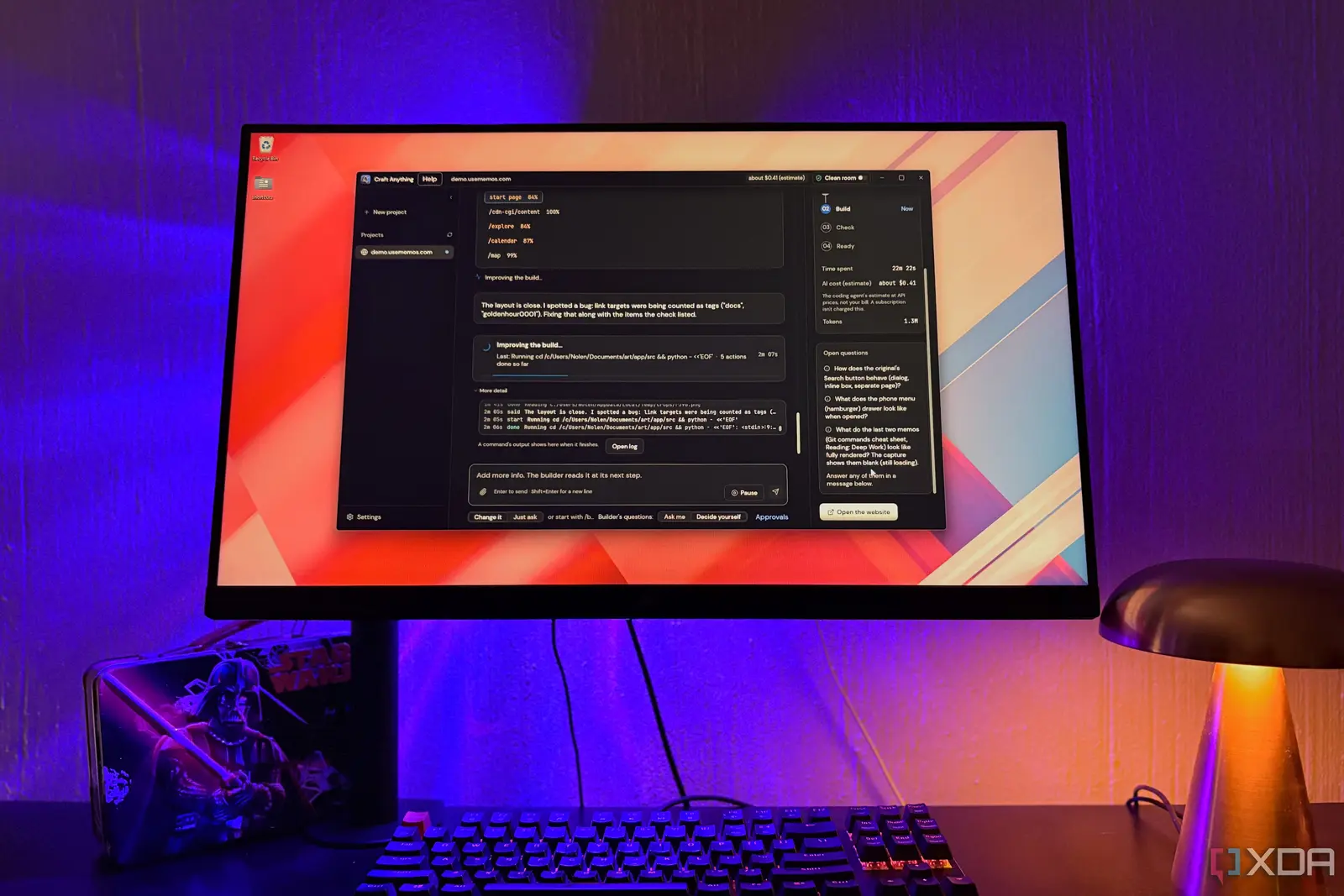 Open-Source Tools Challenge AI-Powered Development Platforms
 AI Infrastructure Bottlenecks: Why Release Pipelines Hold Back Fast Clusters
 Why Apple Vision Pro Never Took Off Like Meta's VR Headsets
The ARTEX tool represents a significant evolution in state-sponsored cyber operations. By embedding LLMs into their attack toolkit, the threat group could automate reconnaissance, exploit selection, and payload delivery with minimal human intervention. This reduces the time-to-impact and lowers the skill barrier for executing complex intrusions.
What Does This Mean for Defenders?
The integration of DeepSeek and a second LLM into ARTEX allowed the attackers to process large volumes of target data rapidly. The models helped identify vulnerabilities, craft tailored payloads, and adapt to defensive countermeasures in real time. This automation enabled the group to scale their campaign to over 200 organizations without proportional increases in human labor.
Defenders must now account for AI-assisted attacks in their threat models. Traditional signature-based detection may struggle against AI-generated payloads that mutate dynamically. Organizations should prioritize behavioral detection and anomaly monitoring to catch AI-driven intrusions before they escalate.
What is ARTEX? ARTEX is an AI-powered attack tool developed by a China-linked threat group. It integrates DeepSeek and another LLM to automate various stages of a cyberattack, from reconnaissance to exploitation.
Frequently Asked Questions
How many organizations were targeted? The campaign targeted more than 200 organizations. The exact sectors and geographic distribution were not fully detailed in the initial disclosure.
Why use two different LLMs? Using multiple models likely provides redundancy and broader capability coverage. Different LLMs excel at different tasks, such as code generation versus natural language reasoning, allowing the attackers to optimize each phase of the attack.