Google's Antigravity Voice Integration
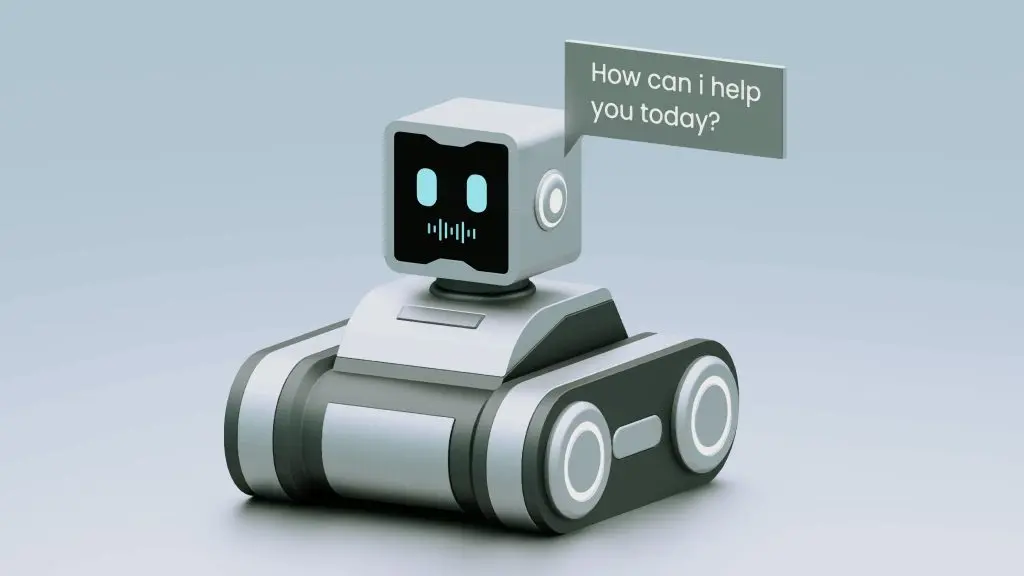
Google launched a voice mode in its Antigravity desktop app and command-line tool. It uses Gemini Live technology for oral conversations. Nick Van der Auwermeulen, a Google developer relations engineer, highlighted this. He contrasted this with traditional coding agent work. He noted that the best technical solutions often arise during voice discussions. Imagine team debugging or brainstorming on a whiteboard. The old method was rigid: written prompt, agent execution, reading results, then a new written interaction.
Breaking news
 Tesla rolls out FSD v15 with major safety upgrade
 Open-Source Tools Challenge AI-Powered Development Platforms
 AI Infrastructure Bottlenecks: Why Release Pipelines Hold Back Fast Clusters
 Why Apple Vision Pro Never Took Off Like Meta's VR Headsets
Sustaining Workflow with Voice
For long projects, status checks are constant. Unforeseen needs or required user approvals interrupt the text interface. Antigravity's voice function counters this. It keeps the call active during agent processing. Users get updates or approve commands without touching the keyboard.
Cursor's Parallel Voice Experience
Cursor promotes a similar experience. Users can verbally describe changes. They can ask for agent status updates. The agent provides spoken progress reports as tasks advance.
Antigravity Platform Details
Antigravity is Google's agentic software development platform. It debuted in November last year with Gemini 3. Version 2.0 arrived in May, including a desktop app. It also features an Antigravity CLI and extensions for VS Code, JetBrains IDEs, and Xcode. Google is consolidating tools under Antigravity. Individual Gemini CLI users moved there in June, ending support for the former Jules coding agent. Dictation already converts speech to text. For two-way talk in the desktop app, users press a wave button near dictation. Antigravity replies verbally, keeping the connection live. Users can interrupt the agent mid-sentence. Upon task completion, the agent provides a written summary with a code review button. This voice capability is also in Antigravity CLI using the `/voice live` command.
Cursor's Adoption and Scope
Cursor, acquired by SpaceX for $60 billion in August, followed a similar path. It implemented dictation in October 2025. Recent notes announced updates to voice calls, allowing spoken progress reports. Cursor supports voice chat across web, iOS, and desktop. Google limits its voice features to the Antigravity desktop and CLI. Cursor's voice functions run on Grok Voice, an xAI API launched in April. The current trend favors maintaining an active dialogue after task execution begins.
OpenAI's Earlier Voice Entry
Google and Cursor are not the first. OpenAI introduced the Codex desktop app in February with built-in dictation. Reports from The New Stack in July noted Codex expanded to the ChatGPT desktop app. This allowed verbal directives and status checks. Codex CLI offered live voice conversations since spring. OpenAI enabled these interactions by default in September.
Claude Code's Unilateral Interaction
Anthropic offers two-way voice in the Claude application. However, in Claude Code specifically, interaction is one-way. The `/voice` command converts programmer speech into text prompts. The agent's response is always written. While dictation helps describe errors or sketch features, this AI coding ecosystem spans major research labs and funded startups like Replit. This allows programmers to...