Reclaiming the Craft from Algorithms
As artificial intelligence tools become standard in software development, many engineers face a growing existential crisis. Professionals are increasingly worried about job security, the rise of low-quality automated code, and the potential for professional burnout. This shift forces developers to reconsider how they find meaning in their craft when machines can generate solutions in seconds.
Breaking news
 Trump Orders Federal Agencies to Adopt „Super Intelligence” Terminology
 The Silicon Valley Accountability Gap
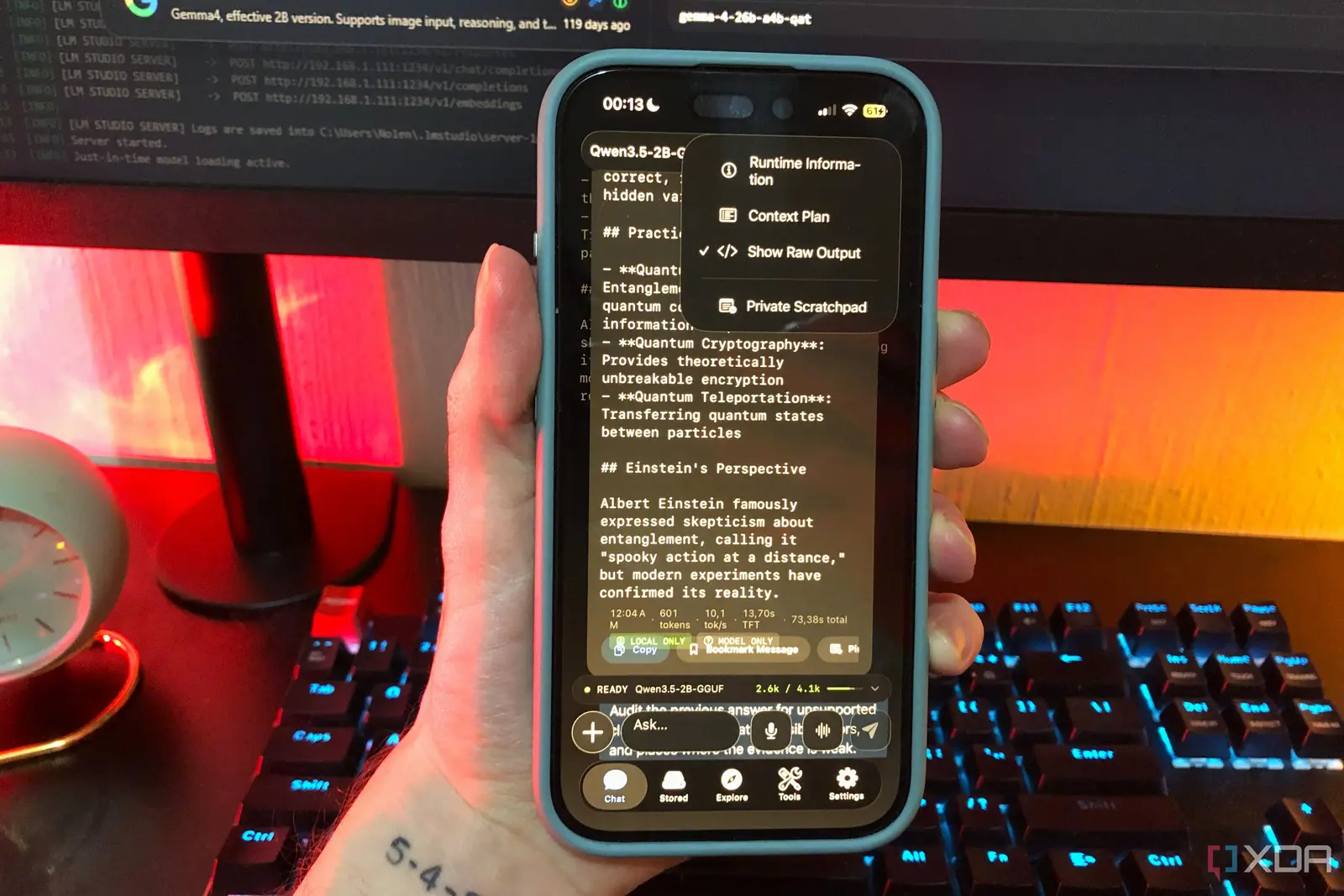 Running a Local AI Model on a Phone Handles Most Chat Prompts
 Google Photos Could Soon Offer a Fresh Start with Ask Photos Feature
The rapid adoption of large language models has fundamentally altered the daily workflow for many programmers. While these tools promise efficiency, they often introduce frustration regarding the quality of the final output. Developers now find themselves managing AI-generated code that may lack depth, reliability, or long-term maintainability.
The core of the issue lies in the transition from active creation to passive oversight. When a machine writes the bulk of a script, the programmer’s role shifts toward auditing and debugging. This change can strip away the satisfaction of solving complex logic puzzles manually. Many engineers report feeling disconnected from the systems they are supposedly building.
Can Passion Survive the AI Revolution?
To combat this, experts suggest refocusing on the intellectual challenges that AI currently struggles to master. Deep architectural design and long-term system health remain human-centric tasks. By leaning into these high-level responsibilities, developers can maintain a sense of ownership over their projects.
The future of the industry depends on how developers adapt their personal relationship with coding. If the goal is merely to produce lines of text, burnout is inevitable. However, if programmers treat AI as a secondary assistant rather than a replacement, they can reclaim their creative agency. The goal is to ensure that the human remains the architect rather than a mere editor.
Frequently Asked Questions
Ultimately, the profession is moving toward a model where high-level problem solving is prioritized over raw syntax generation. Those who embrace this shift will likely find more stability and satisfaction. The challenge is to remain curious and engaged despite the noise of automated tools.
How can developers avoid AI-induced burnout? Focus on complex architectural challenges that require human intuition rather than rote coding. By treating AI as a tool for boilerplate work, you can dedicate your energy to creative problem-solving.
Is job security truly at risk for skilled programmers? While entry-level tasks are being automated, the demand for deep technical expertise remains high. Companies still require experienced engineers to oversee, debug, and maintain the complex systems that AI generates.