Decoding the Algorithmic Logic
Wired researchers have successfully reverse engineered Flock’s artificial intelligence search tool designed for law enforcement. The investigation reveals specific details about how the system processes data for police officers. This breakthrough offers a rare look into the inner workings of the technology. The findings emerged from a detailed technical analysis of the platform’s code. Researchers aimed to understand the logic behind automated queries. The results provide clarity on previously opaque mechanisms. This work highlights the growing scrutiny of digital tools used in policing.
Breaking news
 Trump Orders Federal Agencies to Adopt „Super Intelligence” Terminology
 The Silicon Valley Accountability Gap
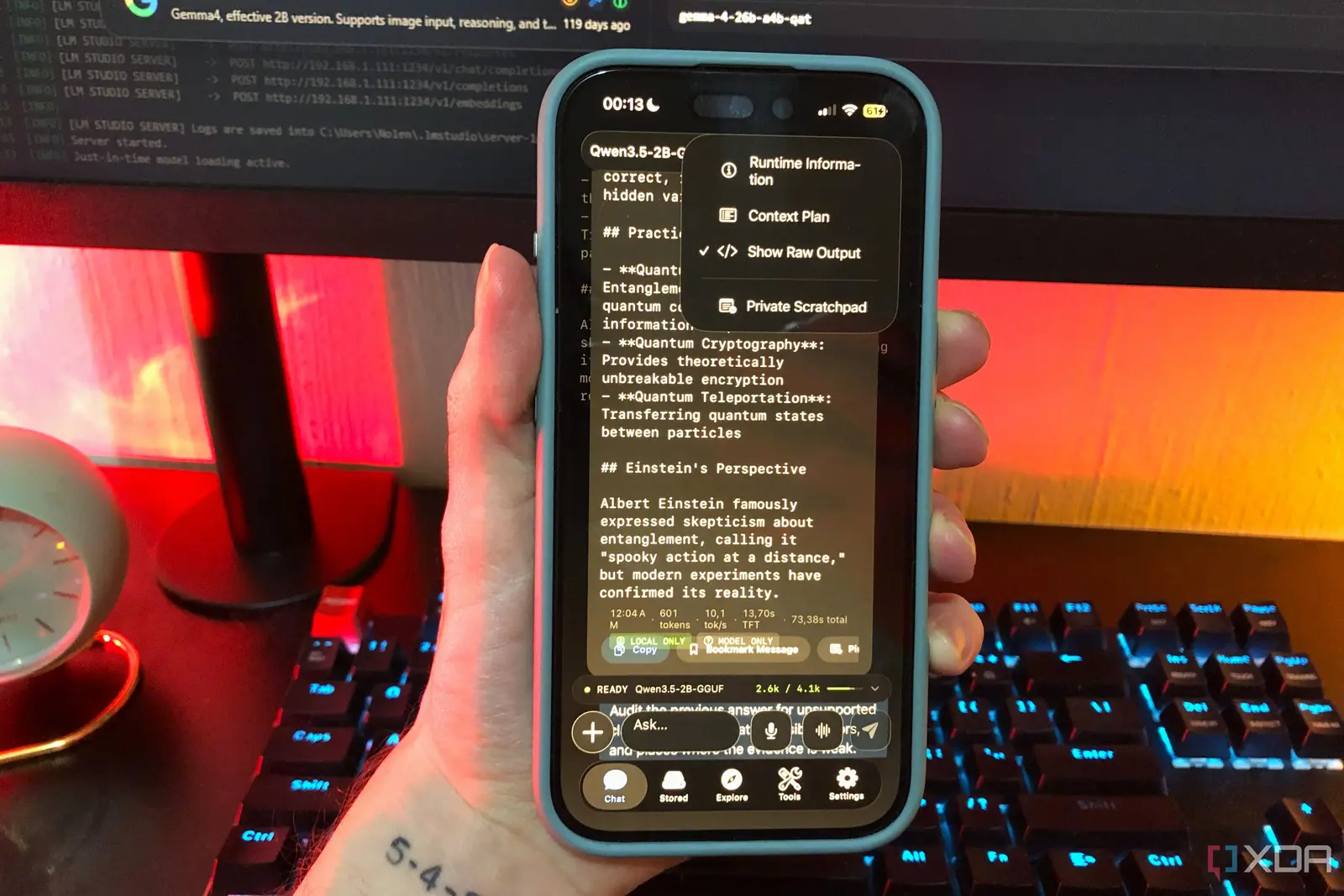 Running a Local AI Model on a Phone Handles Most Chat Prompts
 Google Photos Could Soon Offer a Fresh Start with Ask Photos Feature
The study focuses on how Flock handles search requests within its database. Researchers examined the software interface to trace data flow. They identified methods used to retrieve information from license plate readers. The analysis shows how algorithms prioritize certain results over others. This process influences which vehicles appear in officer dashboards. Understanding this mechanism is crucial for transparency. It helps determine if the system favors specific patterns or data points. The reverse engineering effort sheds light on the underlying architecture.
The core of the investigation involves mapping the query structure. Flock’s system uses complex parameters to filter vehicle records. Researchers found that the tool relies on weighted scoring systems. These scores determine the relevance of each entry. High-scoring items are displayed first to users. This method can significantly impact investigative outcomes. Officers may focus on top-ranked results due to time pressure. The hidden nature of these weights has raised questions about fairness. Critics argue that opaque ranking systems can introduce bias. The new findings allow for independent verification of these claims.
Is Transparency Enough for Law Enforcement?
The publication of part of the software interface marks a significant step. It allows external experts to audit the code directly. This move responds to calls for greater accountability in tech-driven policing. However, the full scope of the system remains partially closed. Some proprietary components were not included in the public release. This limits the depth of the current analysis. Future audits may require broader access to source code. Stakeholders hope this initial review sets a precedent. It encourages other vendors to open their systems for inspection. The goal is to build trust between technology providers and the public.
The implications of this reverse engineering extend beyond a single company. It sets a benchmark for evaluating similar AI tools in criminal justice. As agencies adopt these systems, understanding their mechanics becomes vital. The findings suggest that human oversight must account for algorithmic biases. Policymakers need clear guidelines for deploying such tools. The next phase will likely involve testing the system under varied conditions. This will help identify potential failure points or inconsistencies. Ultimately, the aim is to ensure that AI assists rather than dictates police decisions.
Frequently Asked Questions
How did researchers access the Flock system? Wired engineers analyzed the publicly available software interface. They traced data paths to map out the search logic. This allowed them to reconstruct the internal ranking algorithms.
What does the reverse engineering reveal about search results? It shows that results are ranked using weighted scoring parameters. These hidden weights determine which vehicles appear at the top of the list. The process is not fully transparent to end-users.
Why is this discovery important for police departments? It provides a basis for auditing the accuracy of AI-assisted investigations. Departments can now verify if the tool functions as advertised. This supports better decision-making during field operations.