
The Technical Journey of Reverse‑Engineering ANE
A developer halted work on a reverse‑engineered driver for Apple’s Neural Engine (ANE) in 2023 after realizing the component offered limited practical value. The decision came after three years of effort to decode the hardware’s internal workings, a project that began in 2020.
Breaking news
 Trump Orders Federal Agencies to Adopt „Super Intelligence” Terminology
 The Silicon Valley Accountability Gap
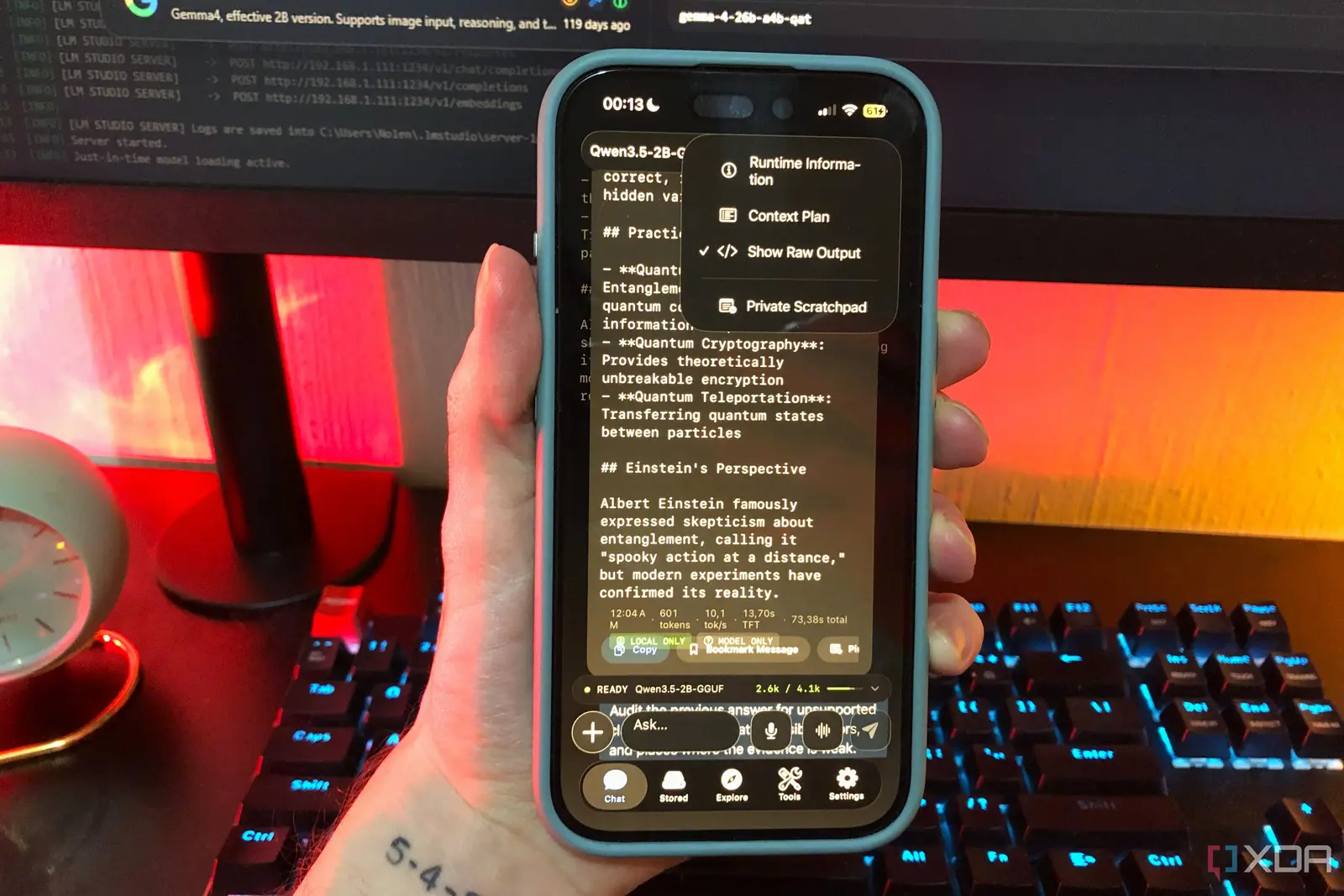 Running a Local AI Model on a Phone Handles Most Chat Prompts
 Google Photos Could Soon Offer a Fresh Start with Ask Photos Feature
The ANE, integrated into Apple’s silicon, is designed for machine‑learning tasks. The reverse‑engineering effort aimed to expose its capabilities to the broader developer community. However, the team found that the engine’s architecture and performance characteristics did not provide significant advantages over existing solutions, leading to a reassessment of the project’s worth.
Why the Project Was Abandoned – A Question of Value
The reverse‑engineering process involved dissecting the ANE’s firmware and hardware interface. Researchers used low‑level debugging tools to capture instruction flows and memory usage. They mapped out the engine’s instruction set, data pathways, and synchronization mechanisms. Despite these insights, the team struggled to translate the findings into a usable driver that could outperform Apple’s proprietary software.
„Even though we had a detailed map of the ANE’s internals, the performance gains were marginal,” one contributor noted. „The hardware is highly optimized for Apple’s own frameworks, so external drivers struggle to match that efficiency.”
Future Directions for Machine‑Learning Hardware Development
The project also highlighted the challenges of working with proprietary silicon. Apple’s design choices, such as custom instruction sets and tightly coupled memory, made it difficult to create a generic driver that could run on multiple devices or be integrated into open‑source ecosystems.
Why did the team decide to abandon the effort? The primary reason was the lack of tangible benefits for the developer community. While the reverse‑engineered driver offered deeper visibility into the ANE, it did not unlock new performance or functionality that could not already be achieved with Apple’s official tools. Additionally, the effort required significant time and resources that could be better spent on other emerging technologies.
The decision reflects a broader trend in hardware research, where the cost of reverse‑engineering may outweigh the practical gains. As silicon manufacturers continue to lock down their designs, the window for meaningful external contributions narrows.
Frequently Asked Questions
The experience underscores the importance of open standards and accessible APIs for machine‑learning hardware. Developers are increasingly turning to cross‑platform frameworks that abstract away hardware specifics. The ANE’s closed nature may push the industry toward more collaborative approaches, such as open‑source hardware descriptions and community‑driven driver development.
In the coming years, we may see a shift toward hardware that balances performance with openness, enabling broader innovation. The ANE project, though ultimately shelved, provides valuable lessons for engineers attempting to bridge proprietary silicon and open‑source software.