
Heat Recovery Stalls in Germany
Germany announced a 2030 target to double its data center capacity and quadruple AI compute. The plan aims to reduce European reliance on US tech infrastructure. However, a key component—recycling server heat into residential heating—has stalled in implementation.
Breaking news
 AMD FSR 4.1 Lands on RX 6000, Xbox Series, and Ryzen AI Chips
 OpenAI Buys Orchestra Bio to Power Drug Discovery
 Accelerating Manufacturing-Aware Simulations For Photonic Integrated Circuits With FTCO And Digital Twins
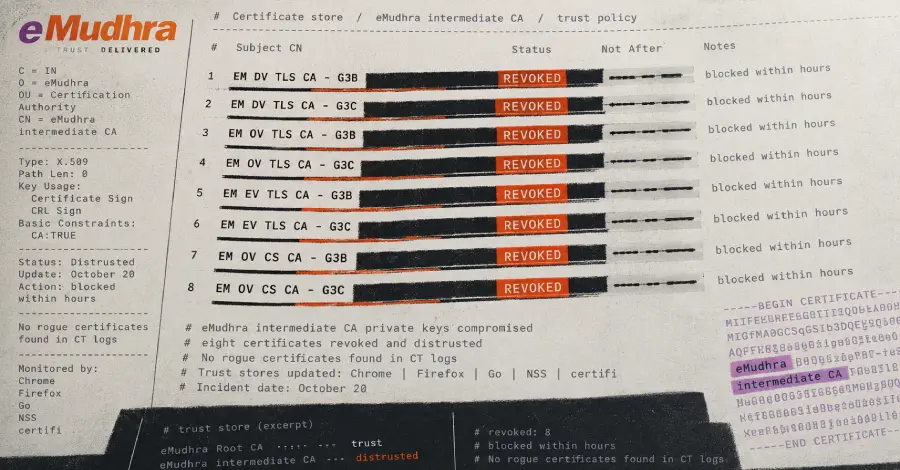 Eight eMudhra CA Keys Compromised, Prompting Emergency Patches Across Browsers
The German government identified data center waste heat as a critical tool for meeting climate targets. Data centers generate massive amounts of thermal energy. The strategy involved piping this heat into nearby homes. This approach could offset natural gas consumption. Yet local opposition and technical hurdles have delayed rollout.
Can Europe Scale AI Without Missing Climate Targets?
The heat funneling project faced resistance from local communities. Residents worried about noise and land use. Technical challenges included connecting data center exhaust to district heating networks. Officials acknowledged the delay but maintained the 2030 targets remain unchanged. The government is now exploring alternative cooling and energy recovery methods.
Europe faces a dual challenge: building AI infrastructure while cutting emissions. Data centers consume significant electricity. If powered by renewable sources, the carbon footprint shrinks. Germany’s plan assumes a green energy grid by 2030. Achieving this requires massive investment in wind and solar capacity. The success of the AI expansion depends on how quickly Europe can decarbonize its power supply.
Will Germany still hit its 2030 data center targets? Yes, the government maintains the 2030 goals despite the heat recovery delay. Officials are adjusting implementation timelines but not the overall scale.
Frequently Asked Questions
How much heat can data centers recover for homes? Data centers can recover a substantial portion of their waste heat. Exact figures depend on facility size and local heating demand. The German plan targeted significant residential heating offsets.
Does this affect Europe’s AI independence? The delay does not change the strategic goal of reducing US dependence. Europe continues building domestic AI capacity. The heat recovery issue is a technical setback, not a strategic reversal.