
Leveraging the Power of the Secure Enclave
Apple users can now enhance their digital security by integrating Touch ID with SSH keys on macOS. This streamlined process allows developers to authenticate remote connections using their fingerprint rather than traditional passphrases. The method leverages the hardware-backed security features native to modern Mac devices to ensure a more robust defense.
Breaking news
 Accelerating Manufacturing-Aware Simulations For Photonic Integrated Circuits With FTCO And Digital Twins
 Germany’s data center expansion plan hits climate wall
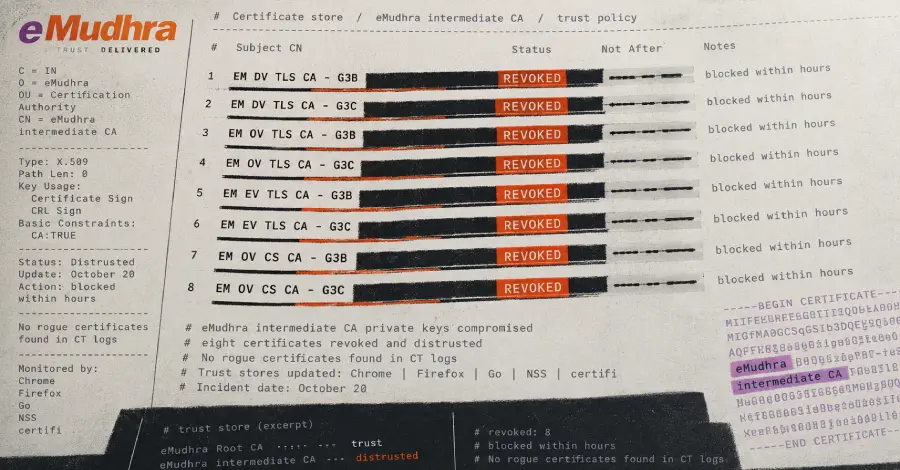 Eight eMudhra CA Keys Compromised, Prompting Emergency Patches Across Browsers
 Berlin AI Travel Platform YGO Secures €8 Million Series A Funding
The setup involves a concise three-command sequence that initializes the key and enables compatibility with platforms like GitHub. By utilizing the built-in Secure Enclave, the system creates a cryptographic environment that remains isolated from the main operating system. This hardware-level protection prevents unauthorized access even if the software environment is compromised.
The Secure Enclave acts as a dedicated coprocessor designed to handle sensitive cryptographic operations. When a user generates an SSH key here, the private component never leaves the hardware. Instead, the system triggers a biometric prompt whenever an authentication request occurs. This ensures that only the physical owner of the device can authorize a connection.
Is Biometric Security the Future of Remote Access?
This approach eliminates the need to remember or store complex text-based passphrases. It also mitigates risks associated with key theft, as the private key cannot be exported or copied from the Secure Enclave. Developers benefit from a workflow that is both faster and significantly more secure than standard key management practices.
Integrating biometrics into command-line workflows represents a significant shift in how engineers manage server access. By moving away from static secrets, users reduce the attack surface of their development environments. As hardware security modules become standard, this type of authentication is likely to replace legacy methods across professional software development.
Frequently Asked Questions
While this implementation is currently specific to macOS, it sets a high bar for secure identity verification. Future updates may further simplify the integration process, making high-level security accessible to a broader range of users. Protecting remote infrastructure now relies on the seamless convergence of physical hardware and digital identity.
Does this method work with all SSH-enabled services? Yes, the generated keys follow standard protocols compatible with GitHub and most remote servers. The integration functions at the local client level, ensuring broad compatibility.
Is the private key stored on the hard drive? No, the private key is generated and stored exclusively within the Secure Enclave. It is physically impossible to extract the key from the hardware, providing superior protection against data breaches.