
Strategic Positioning Within The Gemini Hierarchy
Google has officially launched Gemini 4 Neon, a new artificial intelligence model positioned between its existing Hydrogen and Carbon variants. The release marks a strategic expansion of the company’s product lineup. Users can access the tool immediately through multiple platforms. This move reinforces Google’s dominance in the competitive AI market.
Breaking news
 Samsung Shifts Galaxy Watch Strategy to Two-Year Release Cycle
 Tesla rolls out FSD v15 with major safety upgrade
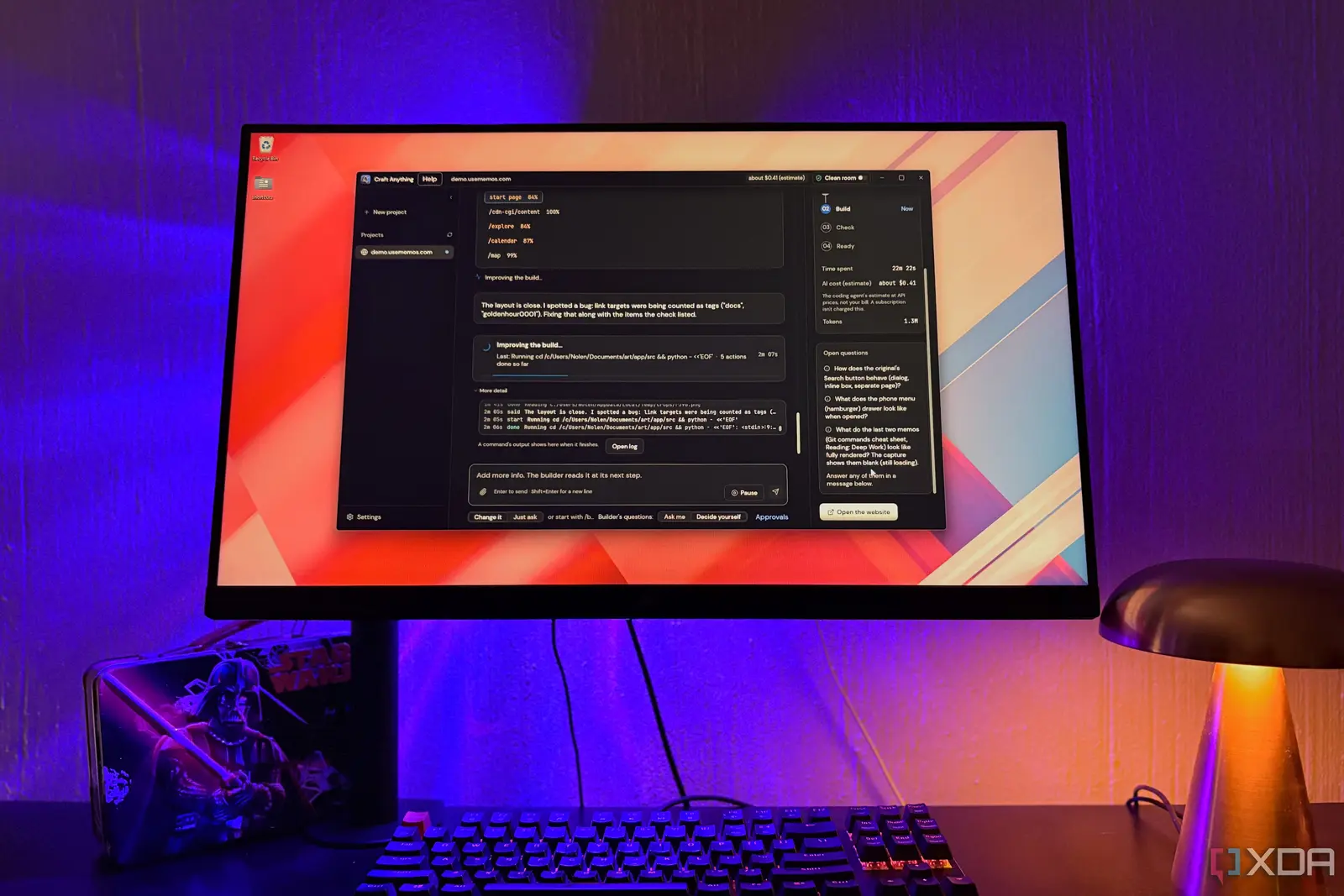 Open-Source Tools Challenge AI-Powered Development Platforms
 AI Infrastructure Bottlenecks: Why Release Pipelines Hold Back Fast Clusters
The new model is currently rolling out across the Gemini API, business tools, and the consumer-facing Gemini app. It also integrates into Google Antigravity. Koray Kavukcuoglu, who serves as Senior Vice President at Google DeepMind, announced the launch. He shared the news via a detailed blog post on Wednesday. Kavukcuoglu holds the title of chief AI architect for the entire organization.
Gemini 4 Neon occupies a specific slot in the current product architecture. It sits directly above the lighter Hydrogen model and below the heavier Carbon model. This placement suggests a focus on balancing performance with efficiency. Developers seeking a middle-ground solution will find this variant particularly useful. It offers capabilities that exceed basic models without the resource intensity of top-tier options. The integration ensures seamless workflows for enterprise clients and individual developers alike.
How Does Neon Compare To Its Predecessors?
The rollout strategy prioritizes immediate availability. By making the model accessible through the API, businesses can begin testing it right away. This rapid deployment allows for quick feedback loops and iterative development. Google aims to capture market share by offering diverse options tailored to different computational needs.
While specific benchmark numbers were not fully detailed in the initial announcement, the positioning implies significant improvements over the entry-level Hydrogen model. Neon is designed to handle complex tasks that require more processing power than simple queries. However, it remains more efficient than the Carbon model, which targets the most demanding applications. This tiered approach allows Google to serve a wider range of users. From lightweight mobile apps to heavy-duty server-side operations, there is now a dedicated model for each requirement.
Kavukcuoglu emphasized the importance of having a robust spectrum of models. This diversity enables customers to choose the right tool for their specific use case. It prevents over-provisioning of resources while ensuring sufficient power for critical tasks. The announcement highlights Google’s commitment to continuous innovation and refinement of its core AI infrastructure.
The introduction of Gemini 4 Neon signals a maturing ecosystem. Companies can now scale their AI implementations with greater precision. Future updates may reveal further optimizations or new features specific to this mid-range model. For now, the focus remains on adoption and real-world performance. The market response will determine if this middle path becomes the standard choice for many organizations.
Frequently Asked Questions
Where can developers access Gemini 4 Neon? Developers can access the model through the Gemini API and various business platforms. It is also available in the consumer Gemini app and Google Antigravity.
Who announced the release of this new model? Koray Kavukcuoglu, the SVP of Google DeepMind, announced the launch. He published the details in a blog post on Wednesday.
How does Neon fit into the existing model lineup? It ranks between Gemini 4 Hydrogen and Gemini 4 Carbon. This placement makes it a mid-tier option for balanced performance and efficiency.