How Does Crescent Island Compare to Other AI Accelerators?
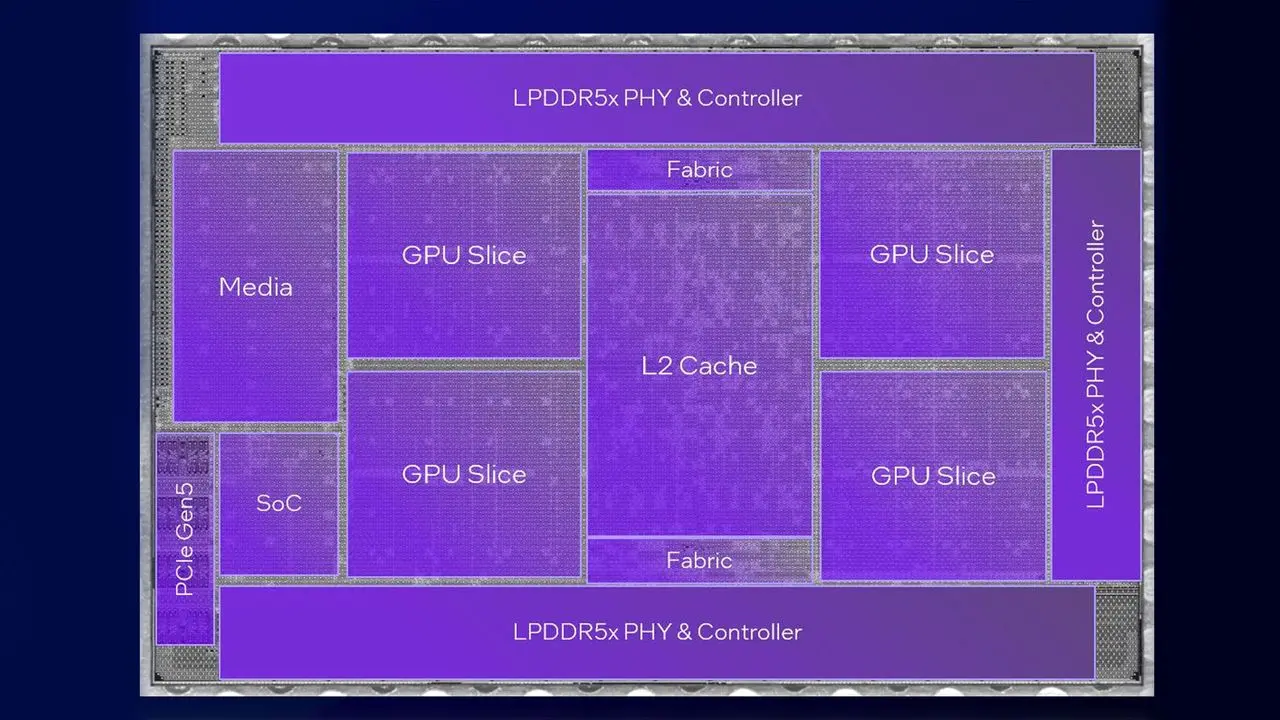
At the Hot Chips symposium this week, Intel shared more details about its Crescent Island AI accelerator. The event took place recently, where Intel shed light on its latest AI technology.
Breaking news
 Canonical’s Web Presence Hit by Second DDoS Assault This Year
 Loops AI Secures $3.5 Million to Power a New AI Operating System for E‑Commerce
 Winverse AI Secures Tens of Millions in Seed Funding from DeepSeek and Long‑Z
 Google Adds Pixel 9 Series to Certified Refurbished Store
Can Crescent Island Challenge Nvidia and AMD's Dominance in AI Acceleration?
Intel's Crescent Island AI accelerator is powered by the Xe3P architecture. Unlike Nvidia's Rubin and AMD's MI455X GPUs, which are high-power and exclusively liquid-cooled, Crescent Island takes a different approach. It uses larger caches and deeper XMX engines to target maximum performance. This design choice allows for a more efficient and effective AI processing solution.
Crescent Island's architecture is distinct from its competitors. Nvidia's Rubin and AMD's MI455X GPUs are designed for maximum performance across both AI training and inference workloads. They feature massive pools of HBM4 memory and are exclusively liquid-cooled. In contrast, Crescent Island's Xe3P architecture focuses on optimizing AI processing through larger caches and deeper XMX engines.
What is the Xe3P architecture?
Intel's Crescent Island AI accelerator is a significant development in the AI acceleration space. With its unique architecture and design choices, it has the potential to challenge Nvidia and AMD's dominance. However, it remains to be seen how Crescent Island will perform in real-world applications and whether it can gain significant market share.
How does Crescent Island's design differ from Nvidia's Rubin and AMD's MI455X
The Xe3P architecture is the underlying technology powering Intel's Crescent Island AI accelerator. It features larger caches and deeper XMX engines to optimize AI processing.
Crescent Island's design focuses on larger caches and deeper XMX engines, whereas Nvidia's Rubin and AMD's MI455X GPUs are high-power, exclusively liquid-cooled chips with massive pools of HBM4 memory.
What are the potential implications of Crescent Island's release?
Crescent Island's release could potentially challenge Nvidia and AMD's dominance in the AI acceleration space. However, its success will depend on its performance in real-world applications and its ability to gain significant market share.