
Price Inflation Fuels Record Earnings
Japanese NAND flash memory maker Kioxia reported a massive surge in operating profit for the second quarter of its fiscal year. The company posted approximately $12.7 billion in operating income, a twenty-two-fold increase over the same period last year. This result matched analyst expectations, confirming the strength of the current memory market cycle.
Breaking news
 Nostalgia: This phone spoke to me like no other
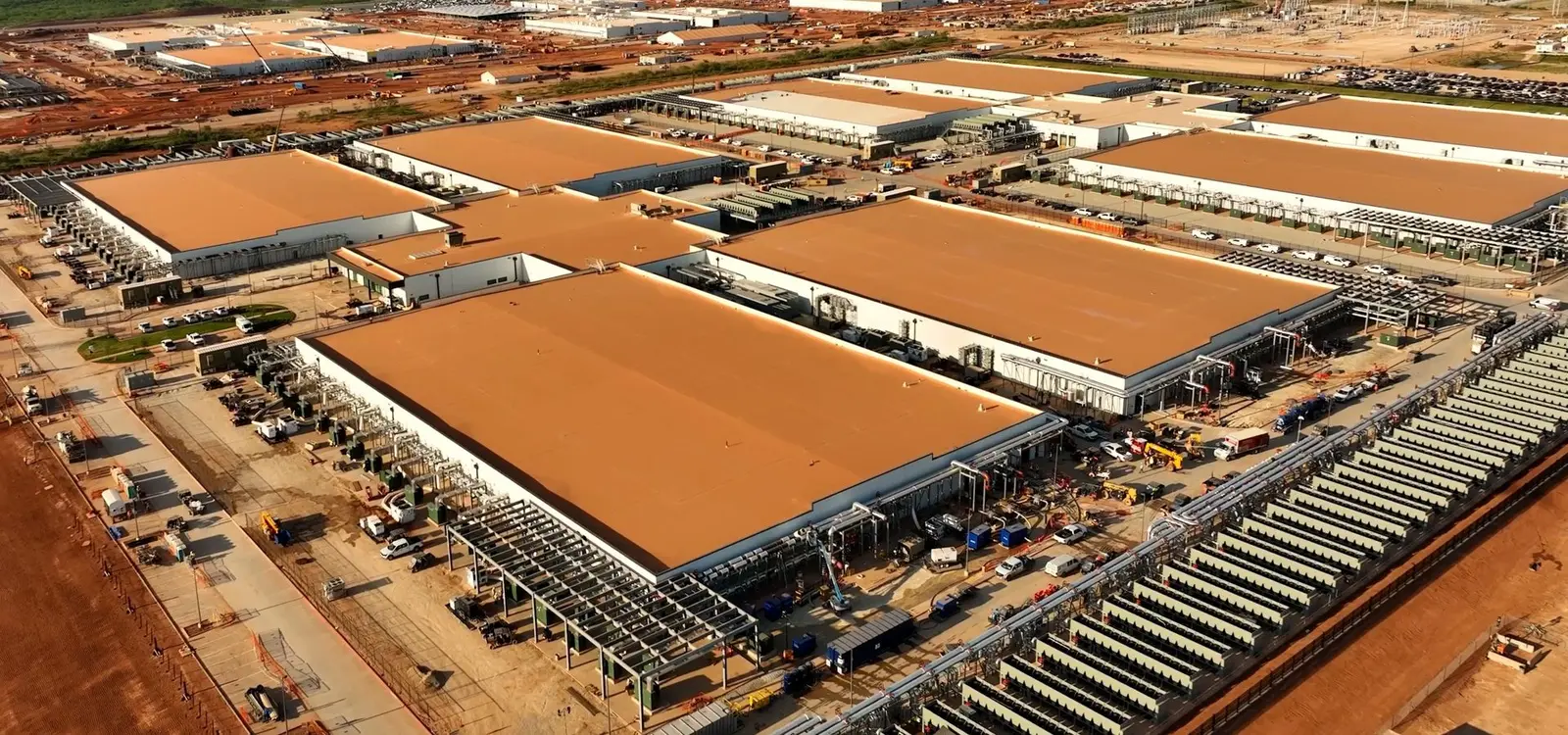 SpaceX Targets 10 GW of Data Center Compute by 2027
 Sony Posts Strong Profits As PS5 Game Sales Rise
 Uber claims it alone can make robotaxis pay, hours after Waymo quit its app
The surge reflects the ongoing supercycle in the memory industry. As demand for AI infrastructure and data centers accelerates, prices for NAND chips have risen sharply. Kioxia benefits directly from this price inflation, turning a previously weak quarter into a record-breaking performance.
The primary driver of this profit spike is the dramatic rise in NAND flash prices. Over the past six months, market prices for these chips have climbed significantly. Kioxia, as a major global supplier, captures the full value of this price increase. The company’s revenue grew in tandem, translating higher unit prices directly into bottom-line gains.
What Does This Mean for the Memory Market?
Analysts had anticipated strong results, and Kioxia delivered exactly as predicted. This alignment between forecast and actuals suggests the market has accurately priced in the memory supercycle. The company’s guidance for the upcoming quarter reinforces this trend, projecting continued strength in operating profit.
Kioxia’s strong performance signals that the NAND market remains in a robust upswing. The company’s Q3 forecast indicates that operating profit will stay elevated, driven by sustained high prices. This outlook supports the broader narrative of a multi-quarter memory boom.
For investors and industry observers, this confirms that the AI-driven demand for storage is not a temporary blip. The structural shift in data center buildouts is creating lasting tailwinds for memory manufacturers. Kioxia’s results are a clear indicator of the sector’s health.
Frequently Asked Questions
How much did Kioxia’s operating profit increase year-over-year? Kioxia’s operating profit increased twenty-two times compared to the same quarter last year. This represents a shift from a low base to a record high of $12.7 billion.
Did Kioxia meet analyst expectations for Q2? Yes, the reported operating profit was in line with analyst estimates. The company also provided a strong forecast for Q3, indicating continued profitability.
What is driving the profit surge? The surge is driven by the memory supercycle, where NAND prices have risen sharply due to AI and data center demand. Kioxia benefits directly from these higher market prices.