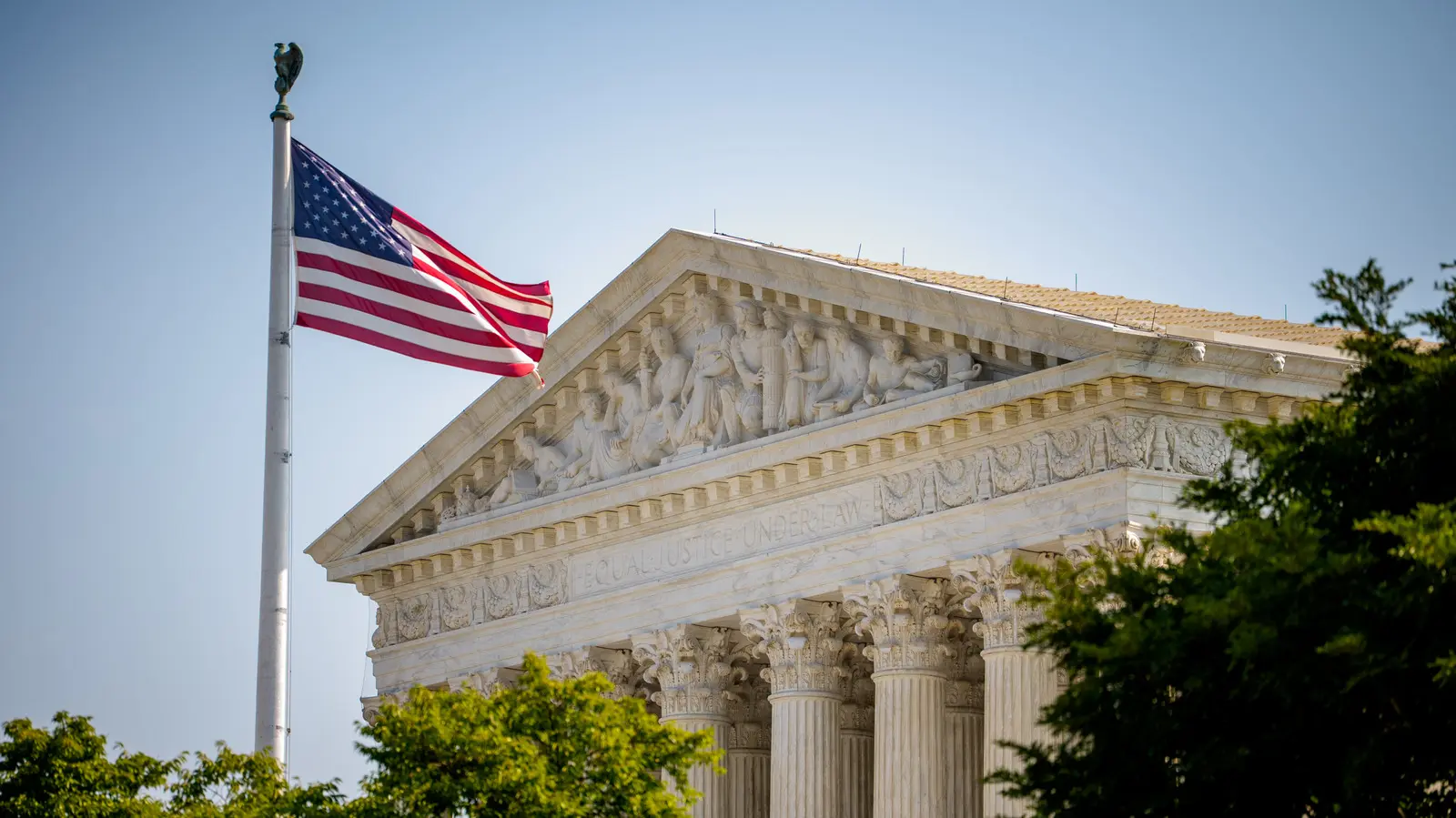
AI‑Generated Arguments: A New Legal Frontier
In a recent wave of regulatory action, several attorneys were penalized for submitting court documents that incorporated fabricated case law generated by artificial‑intelligence tools. The fines came after a review revealed that the filings relied on AI‑produced citations that did not exist. The incident highlights a growing tension between the rapid deployment of AI legal assistants and the pace at which the judiciary can enforce ethical standards. Law firms are adopting generative‑model platforms to draft pleadings, memos, and discovery responses, but oversight has struggled to keep up. The penalties signal that courts are taking a hard line against misinformation in official submissions.
Breaking news
 Tracking AI Search Visibility for Enterprise Brands
 Singapore Expands Semiconductor Sector Amid AI Surge
 Insurance Tech Startup Outmarket Secures $34.5 Million in Series B Funding
 DeepSeek Partners with Huawei to Build Programming Tools for Ascend Chips
Will Courts Catch Up to AI Innovation?
The technology behind these filings is a sophisticated language model trained on vast legal corpora. Firms use it to draft arguments, predict case outcomes, and even generate citations. While the tools promise faster preparation and cost savings, they can produce hallucinations—fabricated references that appear plausible. In the recent infractions, attorneys relied on such hallucinations to support their positions, leading to the discovery of false precedents. Courts have responded by tightening rules on AI‑assisted drafting, requiring attorneys to verify all citations manually. The move underscores the need for clear guidelines on AI use in legal practice.
Legal scholars debate whether the judiciary can keep pace with AI’s rapid evolution. Some argue that stricter licensing and disclosure requirements will deter misuse, while others warn that overregulation could stifle beneficial innovations. The regulatory response has already forced firms to adopt compliance protocols, such as audit trails and human review checkpoints. Yet the speed at which new AI models are released means that new risks will emerge before regulators can fully assess them. The question remains: can the legal system balance innovation with accountability?
Frequently Asked Questions
The fallout from these fines is reshaping the industry. Law firms are investing in training programs to ensure attorneys can spot AI hallucinations. Professional associations are drafting best‑practice guidelines, and some courts are piloting AI‑audit tools to flag suspicious citations. As AI tools become more powerful, the stakes will rise. Firms that fail to implement robust verification processes risk further penalties and reputational damage.