Are AI Tools Undermining Legislative Integrity?
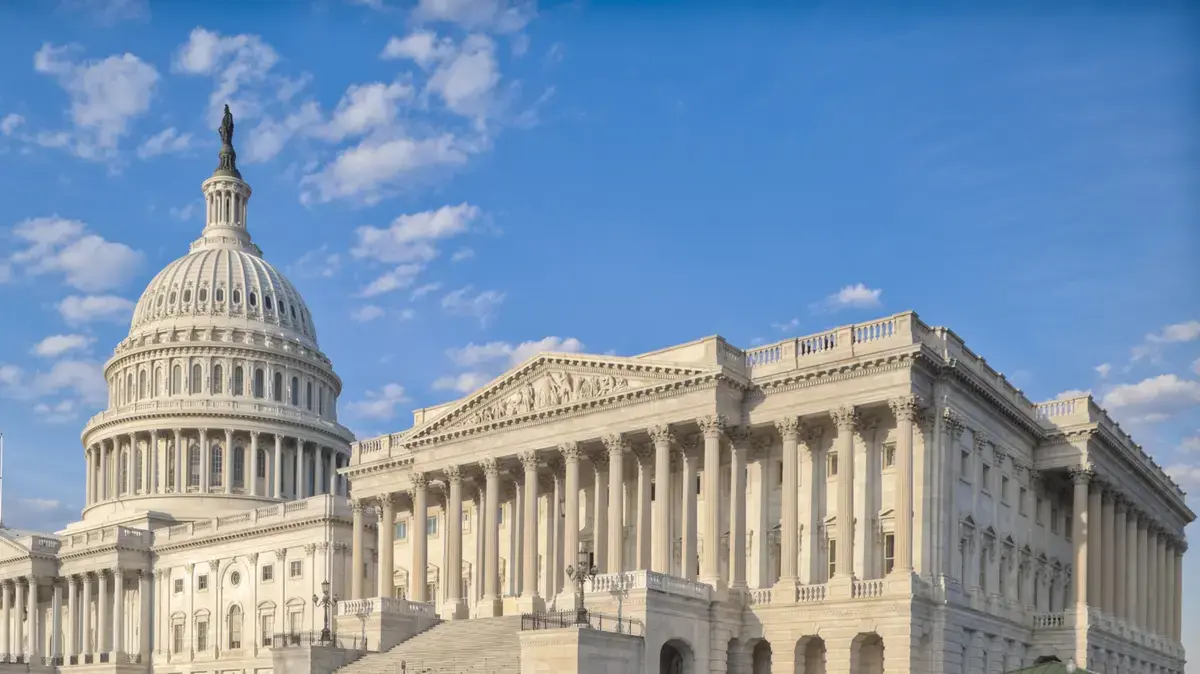
The U. S. House Office of Legislative Counsel is facing significant issues due to AI-generated legislative bills. These documents are reportedly riddled with errors, leading to increased workloads for Congressional lawyers tasked with correcting them. The situation has raised concerns about the reliability of artificial intelligence in legislative processes.
Breaking news
 Trump Orders Federal Agencies to Adopt „Super Intelligence” Terminology
 The Silicon Valley Accountability Gap
 Running a Local AI Model on a Phone Handles Most Chat Prompts
 Google Photos Could Soon Offer a Fresh Start with Ask Photos Feature
The rise of AI in drafting bills was intended to streamline legislative work. However, the reality has proven to be quite different. Reports indicate that the inaccuracies in these AI-generated documents are so pervasive that legal experts are dedicating substantial time to revisions. This not only slows down the legislative process but also raises questions about the quality and accountability of AI tools used in government.
The reliance on AI for drafting bills was meant to enhance efficiency. Yet, the current scenario suggests that these tools may be doing more harm than good. Congressional lawyers have expressed frustration over the need to sift through numerous errors, which include inconsistencies and legal inaccuracies. This situation highlights the potential risks of using technology without adequate oversight and understanding.
Can AI Drafting Be Improved?
Experts in legislative processes are now calling for a reevaluation of how AI is integrated into the drafting of bills. Some argue that while AI can assist in certain tasks, it should not replace the nuanced understanding that human lawyers bring to the table. The complexities of law require a level of scrutiny that AI may not yet be capable of providing.
The ongoing challenges raise an important question: can the technology be refined to produce more accurate legislative documents? As AI continues to evolve, there is hope that improvements can be made. Developers are encouraged to work closely with legal experts to ensure that AI systems are designed with the specific needs of legislative drafting in mind.
In the meantime, the consequences of these errors are significant. Delays in the legislative process can hinder crucial policy advancements. As Congress grapples with pressing issues, the reliance on flawed AI-generated bills could stall progress and erode confidence in the legislative process.
Frequently Asked Questions
What kind of errors are found in AI-generated bills? Errors can range from grammatical mistakes to significant legal inaccuracies. These flaws require careful review by legal experts to ensure compliance with existing laws.
How is Congress responding to these challenges? Congressional leaders are assessing the situation and considering improvements to the integration of AI in legislative drafting. Discussions are ongoing about the balance between efficiency and accuracy.
Will AI continue to be used for drafting legislation? While AI will likely remain a tool in legislative processes, its use will need to be carefully managed. Ensuring accuracy and reliability is essential for maintaining the integrity of the legislative process.