From Assistant to Agent: Copilot’s Expanded Role
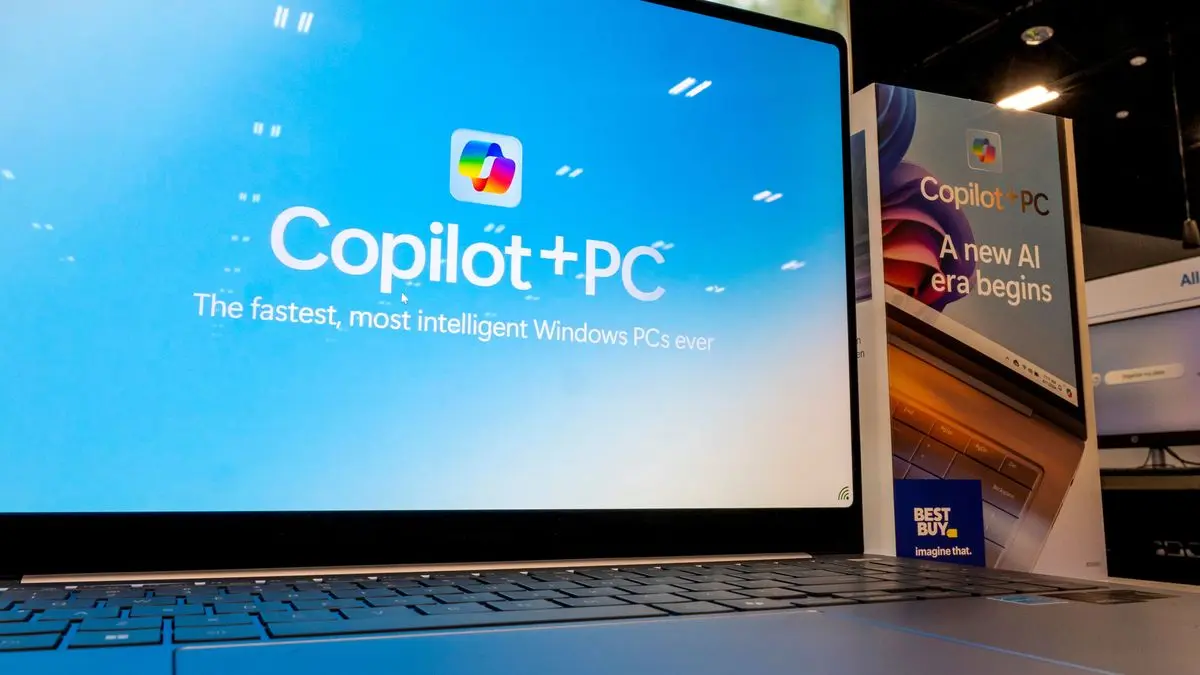
In a recent announcement, Microsoft revealed that its Copilot AI will shift from a simple helper to a long‑term assistant that can manage ongoing tasks at home and in the office. The update, unveiled on September 29, 2023, promises to streamline workflows and boost productivity across business and personal settings.
Breaking news
 Trump Orders Federal Agencies to Adopt „Super Intelligence” Terminology
 The Silicon Valley Accountability Gap
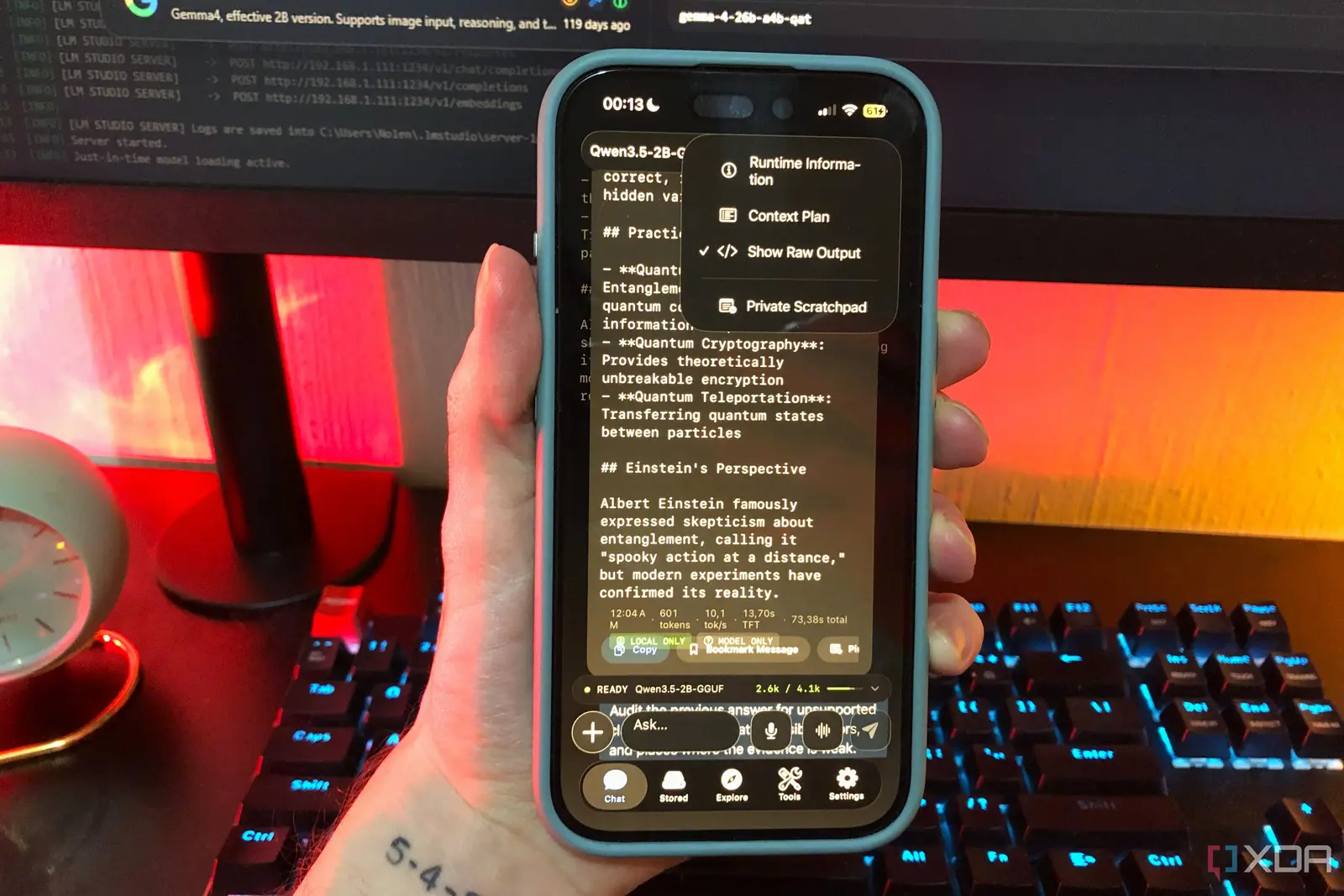 Running a Local AI Model on a Phone Handles Most Chat Prompts
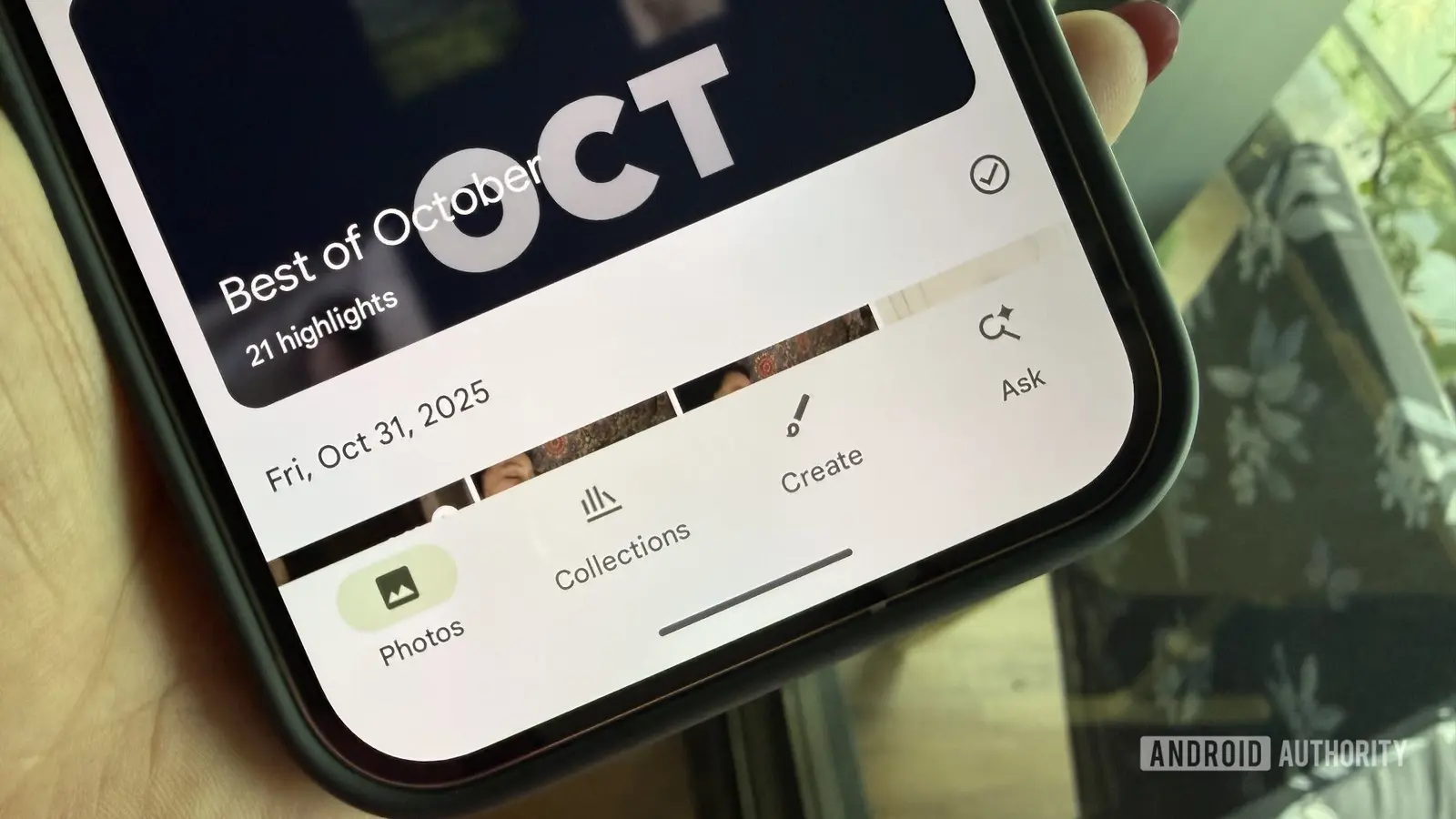 Google Photos Could Soon Offer a Fresh Start with Ask Photos Feature
Microsoft’s new Copilot is designed to handle delegated work, automate software creation, and act as a persistent agent that remembers context over time. The platform will integrate with existing Microsoft 365 tools, allowing users to assign tasks that Copilot can execute and track. The goal is to reduce repetitive work and free up human effort for higher‑value activities.
The update turns Copilot into an autonomous agent that can carry out tasks across multiple apps. Instead of responding to a single prompt, it will maintain a memory of previous interactions. This persistence allows it to follow up on projects, update status reports, and adjust plans as new information arrives. Microsoft highlighted the potential for Copilot to help developers write code more efficiently by generating and testing snippets automatically.
Will Persistent AI Change How We Work?
The AI will also support „delegated work,” letting users assign responsibilities to Copilot that it can then monitor and complete. For example, a manager could ask Copilot to gather market research, and the system will retrieve data, summarize findings, and deliver a report. The agent’s ability to persist across sessions means it can pick up where it left off, even after a user logs out.
Many experts wonder whether this shift will alter workplace dynamics. Persistent agents could reduce the need for frequent check‑ins, as Copilot keeps track of project milestones. However, concerns about data privacy and control over AI decisions remain. Microsoft assures that users will retain full oversight and can override Copilot’s suggestions at any time.
The new Copilot also promises to improve software development workflows. By generating code, testing it, and refining results, developers can focus on creative problem solving. The AI’s memory will help it learn from past projects, offering smarter suggestions over time.
Microsoft’s move reflects a broader trend toward AI‑powered productivity tools. As more companies adopt similar technologies, the line between human and machine collaboration will blur. The long‑term impact on job roles, especially in administrative and development fields, is still uncertain.
Frequently Asked Questions
What is the difference between the old and new Copilot? The old Copilot answered single prompts. The new version remembers context, manages delegated tasks, and acts as a persistent agent across sessions.
Will Copilot replace human workers? No. Copilot is designed to assist, not replace. It automates routine tasks, allowing humans to focus on higher‑level decisions.
How does Microsoft address privacy concerns? Users maintain control over data. Copilot can be overridden, and all interactions are subject to Microsoft’s privacy policies and enterprise security settings.