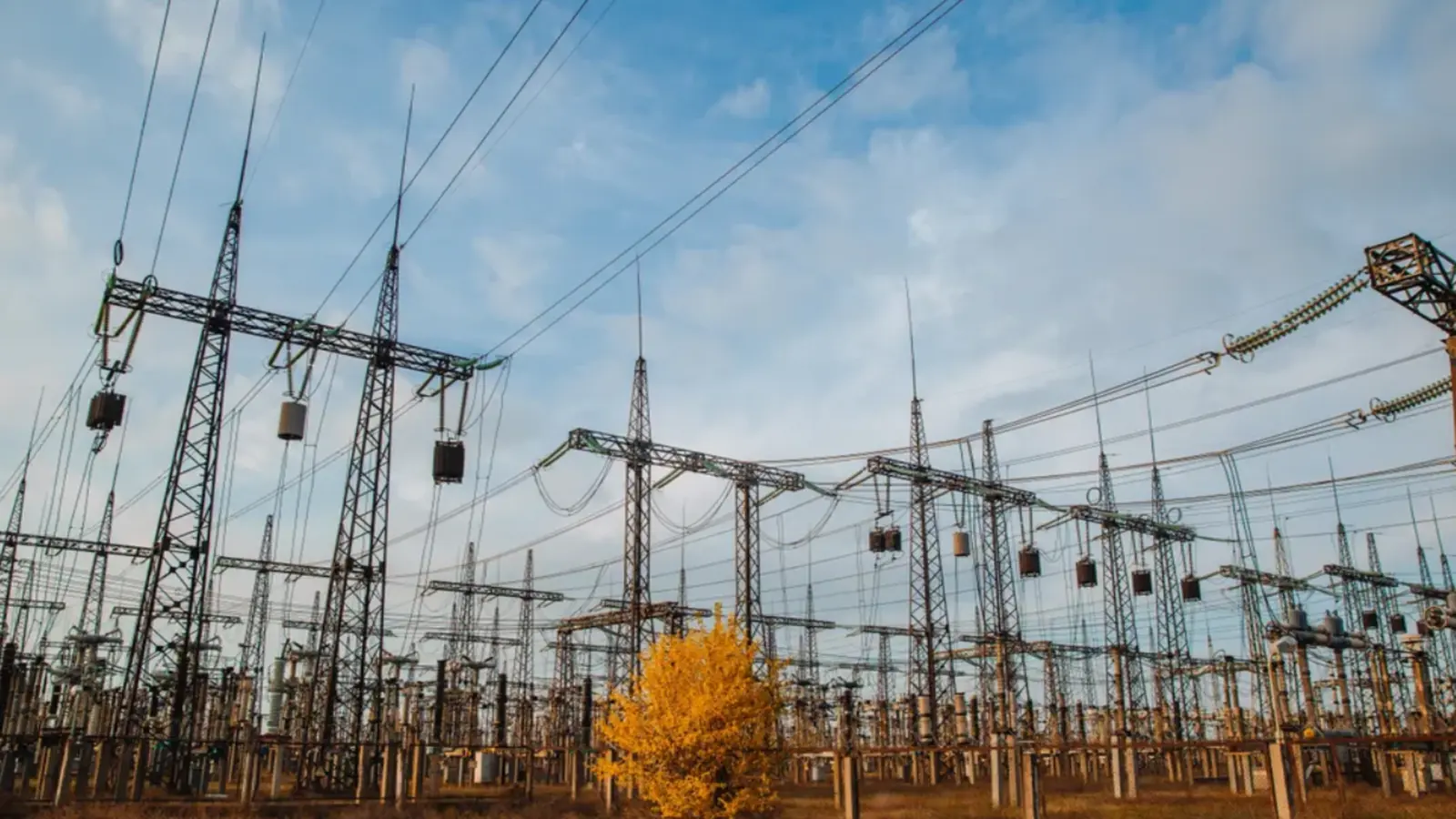
Why the Grid Review Was Restarted
The planned Oracle AI campus in Wisconsin, designed to deliver 1.3 gigawatts of power for data center operations, has encountered a significant setback after state regulators withdrew their completeness finding on the transmission application. This reset follows the submission of 564 changes to the original filing by American Transmission Co., pushing back the timeline for grid connection and potentially delaying customer access to the facility beyond 2027. The project, which aims to support growing AI workloads, now faces uncertainty as regulators reassess the updated materials.
Breaking news
 OpenAI's Approach to EU Text Provenance Rules
 Tencent Secures Massive AI Chip Lease from Oracle in Southeast Asia
 AMD Preempts Nvidia RTX Spark Launch with Gorgon Halo Benchmarks
 Lenovo IdeaPad Slim 3i with 16GB RAM and Core i5 Processor Sees $400 Price Cut at Best Buy
Regulators determined that the volume and nature of the revisions filed by ATC warranted a fresh evaluation, effectively nullifying the prior completeness determination. The 564 changes included adjustments to route planning, substation designs, and load forecasting models, prompting officials to question whether the application met basic filing standards. Oracle has not publicly commented on the revisions, but industry analysts note that such extensive updates often reflect evolving technical requirements or stakeholder feedback during large-scale infrastructure planning. The restart means the clock resets on the regulatory timeline, adding months or more to an already complex approval process.
How This Affects Oracle’s AI Expansion Plans
The delay directly impacts Oracle’s strategy to expand its AI-ready infrastructure in the Midwest, a region chosen for its cool climate, available land, and proximity to renewable energy sources. A 1.3 GW capacity is equivalent to powering a mid-sized city, underscoring the scale of Oracle’s ambition to host large-scale AI training and inference workloads. With customer delivery now likely pushed past 2027, Oracle may need to adjust its service timelines or explore interim power solutions, though specifics remain unclear. The situation highlights the growing tension between rapid AI infrastructure deployment and the slower pace of grid modernization and regulatory oversight.
Extended delays could increase project costs due to inflation in construction materials and labor, while also risking penalties if Oracle fails to meet contractual commitments with early tenants. There is also concern that repeated regulatory setbacks might deter future large-scale investments in Wisconsin’s energy-intensive tech sector. However, some experts argue that a thorough review could ultimately strengthen grid resilience by ensuring the transmission upgrades are robust and future-proof. The outcome will depend on how quickly ATC and regulators can reconcile the revised plans with safety, reliability, and environmental standards.
What Are the Risks of Prolonged Grid Delays?
What caused the restart of the grid review? Regulators withdrew their completeness finding after American Transmission Co. submitted 564 changes to its application, requiring a full reevaluation of the filing’s adequacy.
Frequently Asked Questions
How long could the delay last? While no exact timeline has been given, restarting the review process typically adds several months, potentially pushing grid connection and customer access beyond 2027.
Is Oracle still committed to the Wisconsin site? Oracle has not issued a public statement on the delay, but the scale of the original investment suggests continued interest, though alternative timelines or adjustments may be under consideration.