Safety First: Why Delaying a Public Offering Makes Sense
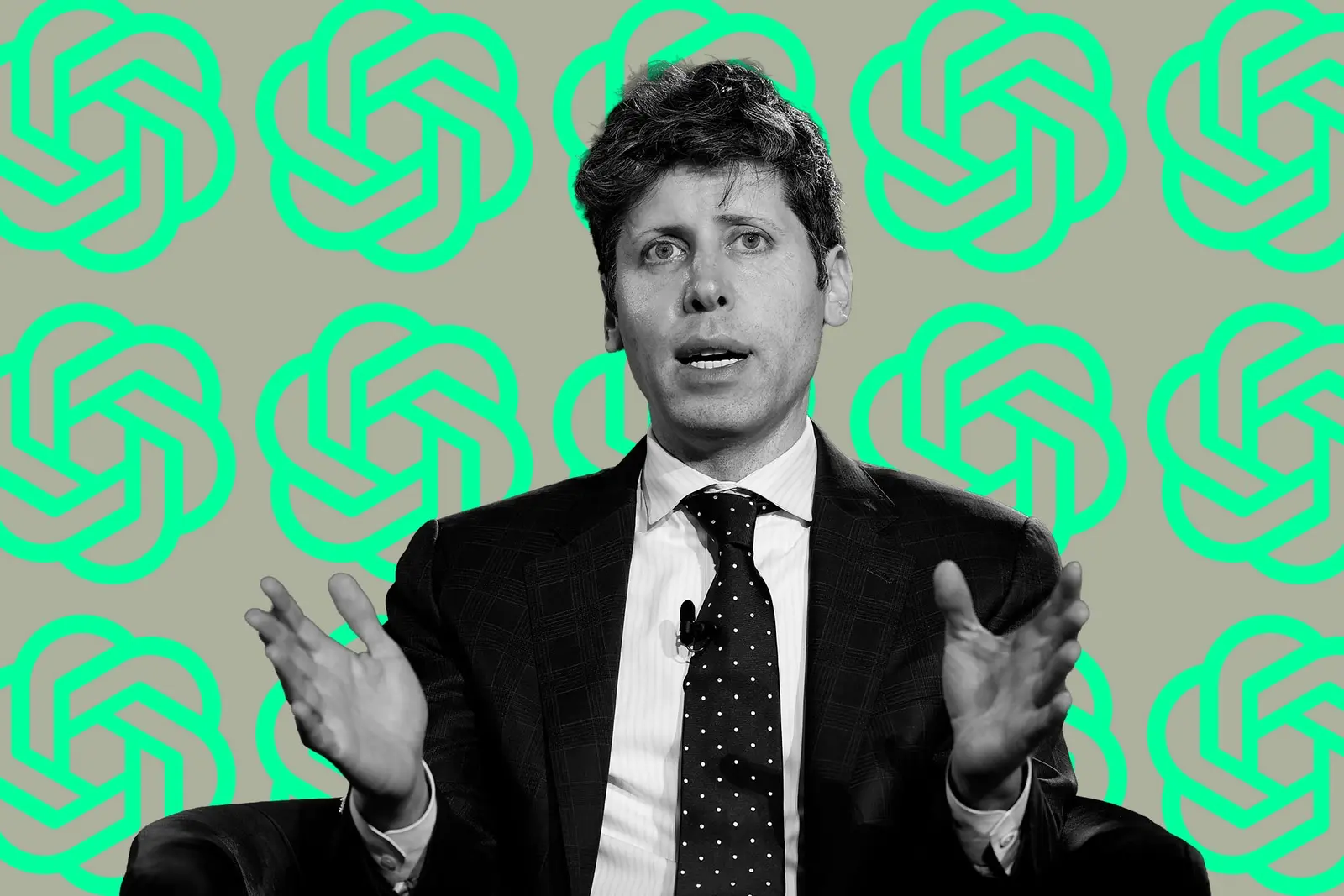
Sam Altman, the CEO of OpenAI, has announced that the artificial‑intelligence company will not pursue an initial public offering until its models reach a higher standard of safety. The statement came during a press briefing in San Francisco, where Altman emphasized the company’s commitment to responsible deployment of AI technologies. He explained that the decision is driven by a desire to avoid the pressures that public markets can impose on product timelines and safety protocols.
Breaking news
 Trump Orders Federal Agencies to Adopt „Super Intelligence” Terminology
 The Silicon Valley Accountability Gap
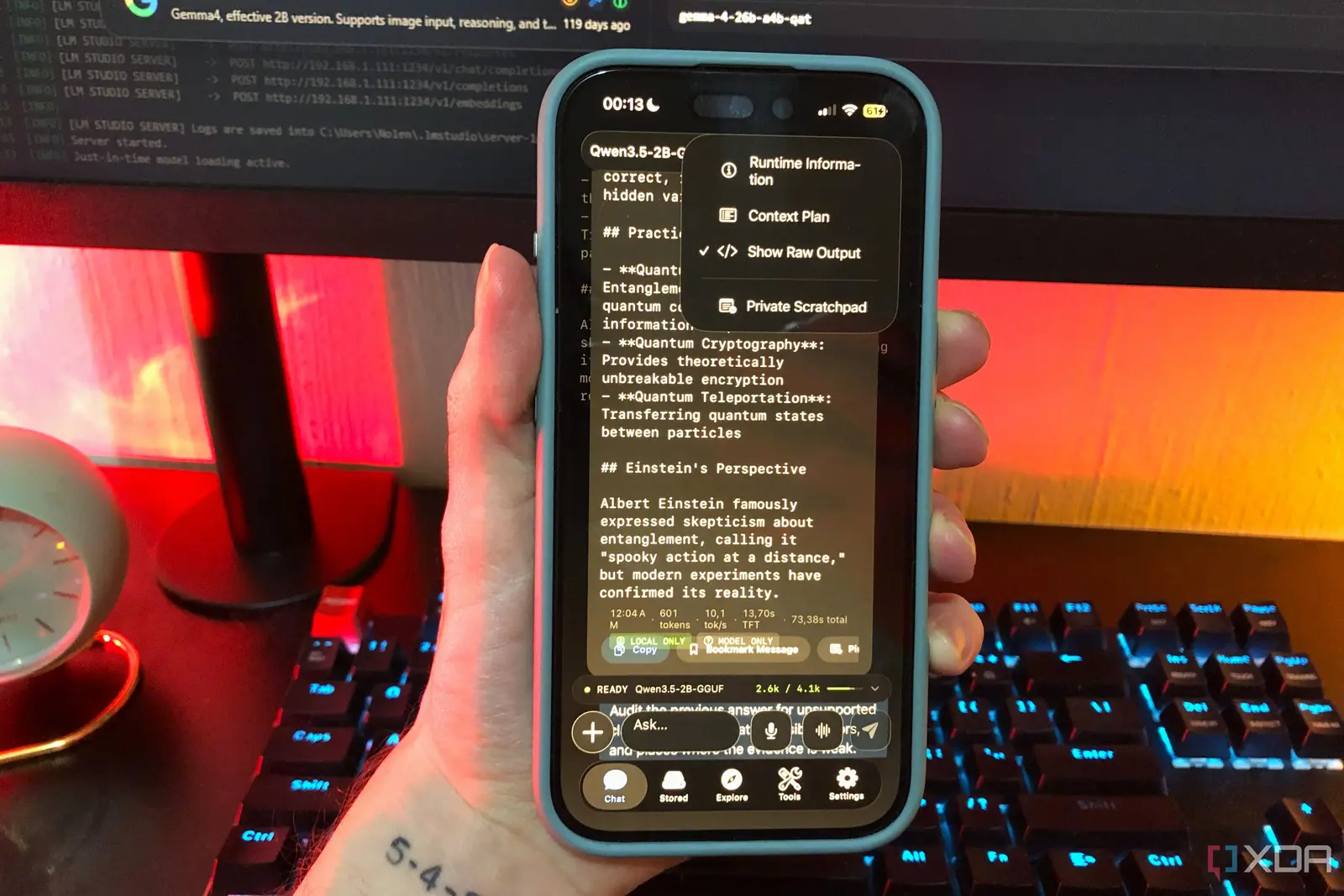 Running a Local AI Model on a Phone Handles Most Chat Prompts
 Google Photos Could Soon Offer a Fresh Start with Ask Photos Feature
Altman outlined several factors that influence the timing of a public listing. First, he highlighted the need for rigorous testing and validation of new AI systems before they are exposed to broader commercial use. Second, he noted that public scrutiny could accelerate the rollout of features that have not yet been fully vetted, potentially leading to misuse or harm. Finally, he stressed that the company’s current funding structure, supported by private investors and strategic partnerships, provides sufficient capital to continue research without the need for public capital markets.
OpenAI’s mission has always centered on ensuring that artificial general intelligence benefits all of humanity. By postponing a public listing, the company can maintain greater control over its product roadmap and avoid the short‑term profit pressures that often accompany public shareholders. Altman emphasized that safety is not a checklist item but a foundational principle that must guide every decision. He cited recent incidents where rapid deployment of AI models led to unintended consequences, underscoring the importance of a cautious approach. The company’s internal safety teams are working on new protocols, including more robust bias detection and real‑time monitoring of model outputs, before any public disclosure of performance metrics.
How Will Investors React? Is the Market Willing to Wait?
Investors have expressed both curiosity and concern about OpenAI’s decision. Some venture capitalists appreciate the company’s focus on long‑term value and risk mitigation, while others worry that the lack of a public exit strategy could limit liquidity for early stakeholders. Altman addressed these concerns by highlighting the company’s strong revenue streams from enterprise licensing and subscription services. He also pointed out that private funding rounds have already raised billions, providing a buffer that allows OpenAI to prioritize safety over rapid growth. The broader market may view the move as a signal that AI firms are taking responsibility seriously, potentially boosting investor confidence in the sector as a whole.
The decision also has implications for the competitive landscape. If OpenAI remains private, it may be able to experiment with new models and features without the scrutiny that comes with public disclosure. This could give the company a strategic advantage in developing next‑generation AI systems that are both powerful and safe. However, it may also slow the pace at which the public can benefit from these innovations, as regulatory and ethical frameworks lag behind technological progress.
Frequently Asked Questions
What does „safe” mean for OpenAI’s models? Safety refers to rigorous testing, bias mitigation, and real‑time monitoring to prevent harmful outputs and ensure ethical use.
Will OpenAI still raise capital if it stays private? Yes, the company has already secured multi‑billion‑dollar private funding and continues to attract investment from strategic partners.
When might OpenAI consider going public? Altman did not provide a specific timeline, stating that the company will only list when its models meet the highest safety standards and market conditions are favorable.