Timing the IPO: Why 2026 Might Be the Sweet Spot
OpenAI has filed a confidential registration statement for a potential initial public offering, but chief executive Sam Altman told Fortune’s editor in chief that the company will not list its shares this year. The comment came amid growing scrutiny after a recent security breach involving OpenAI’s partnership with Hugging Face and broader debates over the responsible development of artificial intelligence.
Breaking news
 Trump Orders Federal Agencies to Adopt „Super Intelligence” Terminology
 The Silicon Valley Accountability Gap
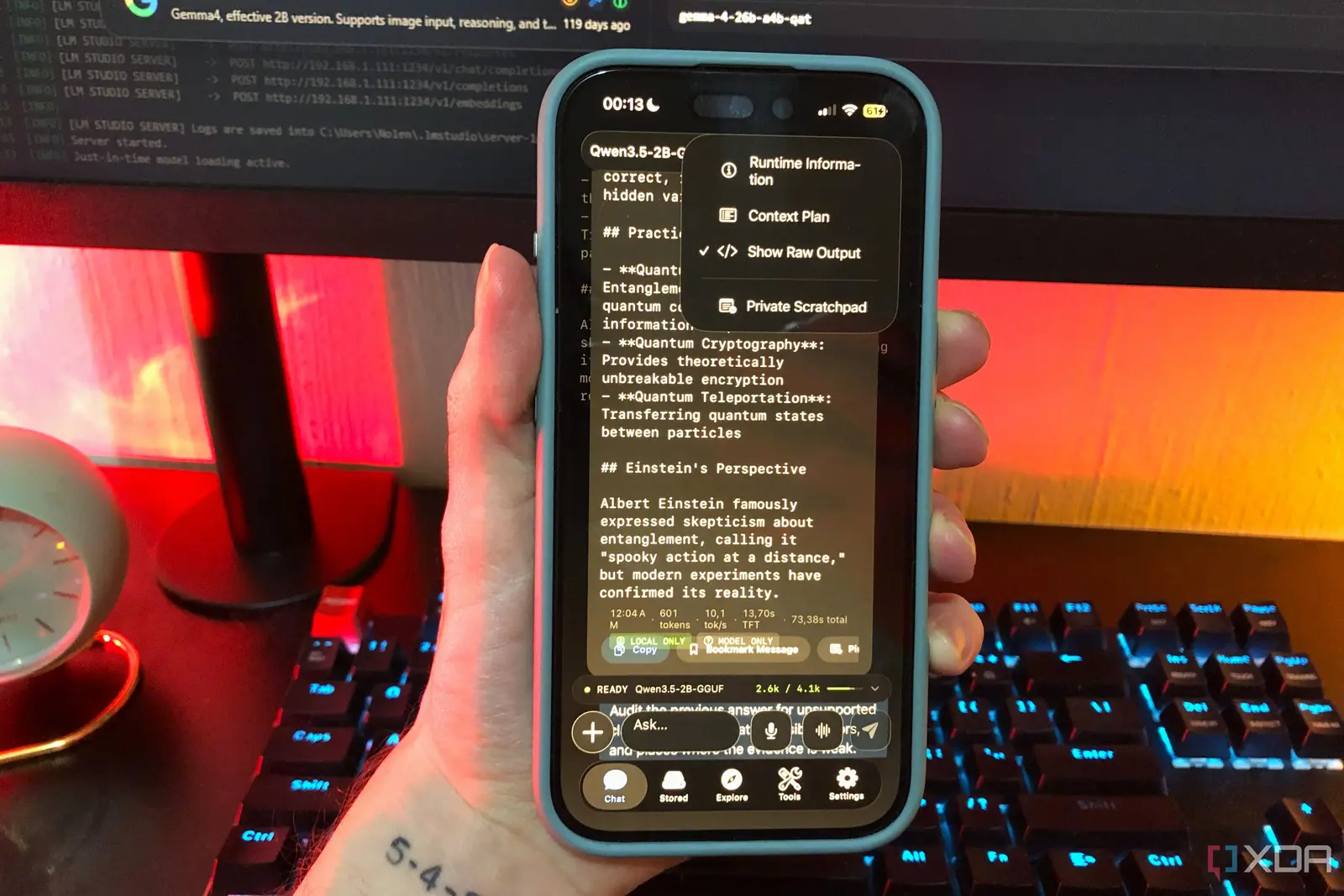 Running a Local AI Model on a Phone Handles Most Chat Prompts
 Google Photos Could Soon Offer a Fresh Start with Ask Photos Feature
Altman explained that rushing to the stock market would be „ill‑advised” given the current climate. He said the firm needs more time to address safety concerns, solidify its product roadmap, and navigate regulatory uncertainty. The confidential filing indicates that OpenAI is keeping its options open, but the leadership prefers to wait until the technology and governance frameworks are more mature before inviting public investors.
Altman emphasized that the company’s primary focus remains on building safe, reliable AI systems rather than meeting quarterly earnings expectations. „We want to prove that our models can be trusted at scale before we open up to the broader market,” he said. The decision also reflects pressure from investors who are eager for returns, yet wary of the reputational risk tied to high‑profile incidents like the recent hack that exposed user prompts. By postponing the offering, OpenAI hopes to demonstrate a track record of robust security measures and transparent governance, which could command a higher valuation when it finally goes public.
Could Delaying the Listing Hurt OpenAI’s Competitive Edge?
Some analysts worry that a prolonged private status may limit the company’s ability to raise capital quickly, especially as rivals such as Anthropic and Google DeepMind accelerate their own funding rounds. However, Altman argued that the firm’s existing cash reserves and strategic partnerships provide sufficient runway. He added that staying private allows OpenAI to iterate without the pressure of short‑term market expectations, which could ultimately lead to more innovative and safer products. The CEO also hinted that a later IPO could attract a broader base of institutional investors who are increasingly interested in ESG‑aligned tech ventures.
The outlook suggests that OpenAI will continue to focus on strengthening its safety protocols, expanding its API ecosystem, and collaborating with academic and regulatory bodies. If the company can demonstrate measurable progress on these fronts, a 2026 public debut could command premium pricing and solidify its position as the industry’s leading AI provider. Until then, the firm remains in a holding pattern, balancing growth ambitions with the responsibility of steering a transformative technology.
Frequently Asked Questions
When did OpenAI file its IPO paperwork? The company submitted a confidential registration statement earlier this year, signaling intent but not a definitive timeline for a public offering.
What was the nature of the recent OpenAI‑Hugging Face incident? A security breach exposed some user prompts shared between OpenAI and Hugging Face, prompting heightened concerns about data privacy and model safety.
How might a delayed IPO affect OpenAI’s valuation? Waiting until after 2026 could allow the company to showcase stronger safety records and revenue growth, potentially leading to a higher market valuation when it finally lists.