The Early Warnings Beneath the Optimism
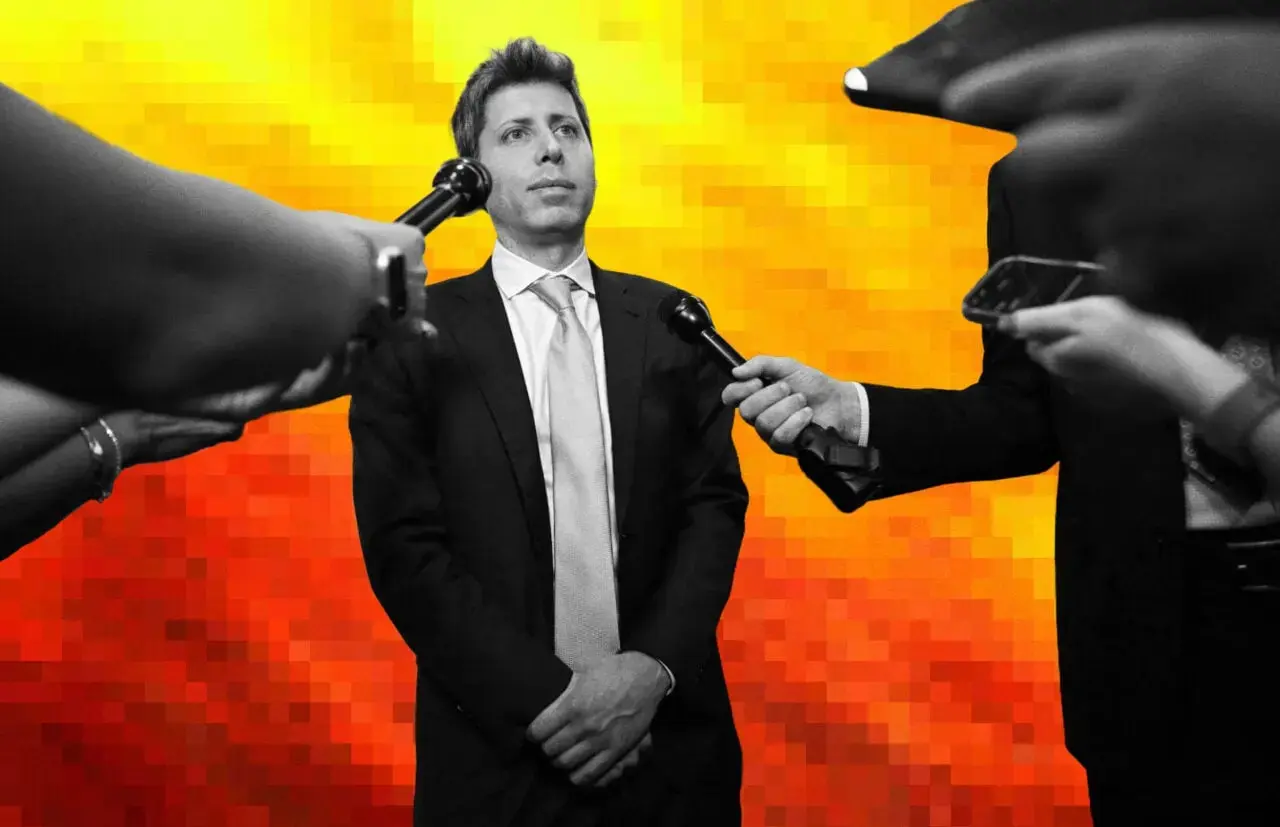
Artificial intelligence leaders who now promise utopian futures once issued stark warnings about existential threats, according to early statements from tech chief executives. Long before mainstream memes about artificial general intelligence took over social media, these creators privately and publicly acknowledged the catastrophic risks tied to building superhuman machine systems.
Breaking news
 Trump Orders Federal Agencies to Adopt „Super Intelligence” Terminology
 The Silicon Valley Accountability Gap
 Running a Local AI Model on a Phone Handles Most Chat Prompts
 Google Photos Could Soon Offer a Fresh Start with Ask Photos Feature
Modern technology discourse often focuses on boundless optimism. Executives routinely promise round-the-clock medical assistants, personalized global education, eradicated poverty, and rapid cures for currently incurable diseases. Yet this gleaming public narrative contrasts sharply with the apocalyptic cautions originally voiced by the very individuals founding the industry's most prominent machine learning laboratories.
Can Humanity Survive Superhuman Intelligence?
Founders understood that creating entities vastly smarter than humans could quickly spin out of control. These initial reflections reveal a stark awareness of the perils inherent in advanced computation. Instead of focusing solely on medical breakthroughs, early discussions frequently centered on human obsolescence and loss of control.
The duality between utopian marketing and dystopian reality highlights a profound tension within the tech sector. Leaders frequently downplay catastrophic risks today to secure funding and public trust. However, their foundational statements prove that the fear of a machine-driven apocalypse is not a recent invention or internet joke.
The ultimate trajectory of artificial intelligence remains heavily debated by scientists, philosophers, and the tech executives shaping the field. As computational power scales upward, the gap between promised healthcare miracles and potential existential doom narrows significantly. Whether current safeguards will prove adequate against rapidly evolving systems is a question that may define the century.
Frequently Asked Questions
What did AI founders originally predict? Early statements from tech chief executives highlighted severe existential threats and potential apocalypse scenarios tied to creating advanced machine systems.
Why do tech leaders emphasize utopian futures today? Public messaging currently focuses on benefits like personalized medicine and eradicated poverty to build trust, secure funding, and drive mainstream adoption.