The Reality of Implementation Hurdles
Manufacturers are rushing to integrate artificial intelligence into their maintenance workflows to combat the high costs of unplanned downtime. While the technology has moved from theoretical to deployable at record speeds, many factories are struggling to bridge the gap between installing these advanced systems and achieving consistent, reliable operational results.
Breaking news
 OpenAI CEO Apologizes Following Chaotic GPT-6 Astra Launch
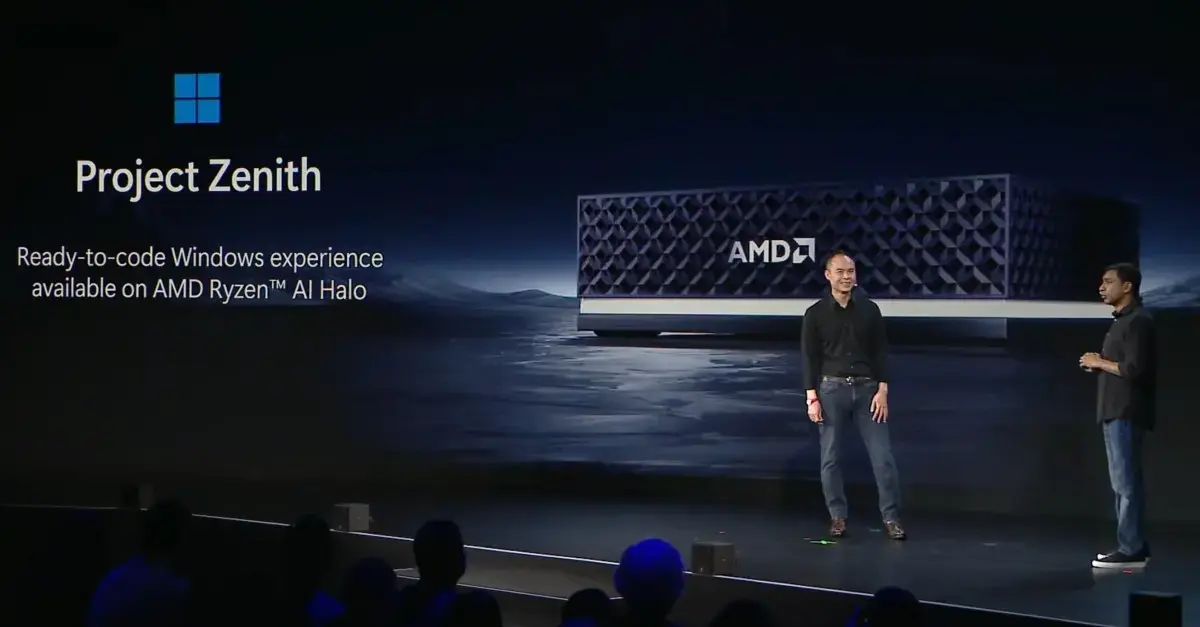 Microsoft Introduces Project Zenith to Streamline Software Development
 London Startup Secures €4.6 Million to Manage Corporate AI Agents
 GPT-6 Astra Achieves Perfect Score on ExploitBench as OpenAI Restricts Exploit Requests
For years, industrial facilities have absorbed the financial burden of reactive maintenance. Unscheduled equipment failures, expensive overtime, and the constant scramble for expedited parts have eroded both production schedules and client trust. AI promised a definitive solution to these systemic inefficiencies, leading to a rapid, widespread adoption of predictive maintenance tools across the manufacturing sector.
The primary challenge is no longer the accessibility of AI tools, but the internal capacity to manage them. Many organizations adopted these platforms without first establishing the necessary data infrastructure or workforce training. Consequently, the technology often sits underutilized or provides inaccurate insights because the underlying processes remain fragmented and disjointed.
Can Factories Close the Performance Gap?
Companies frequently underestimate the cultural shift required to move from reactive to predictive operations. It is not enough to simply install sensors and software. Maintenance teams must learn to act on algorithmic predictions rather than waiting for machines to break. This transition requires a fundamental change in how staff interpret data and prioritize their daily tasks.
Closing this chasm requires a more disciplined approach to digital transformation. Leaders must focus on integrating AI into existing workflows rather than treating it as a standalone fix. Success depends on the ability to turn raw data into actionable intelligence that technicians trust and understand. Without this alignment, the investment in high-end technology will continue to yield disappointing returns.
Frequently Asked Questions
The future of industrial maintenance hinges on balancing technical capability with human expertise. As companies refine their strategies, those that prioritize training and process integration will likely see the stability they originally sought. Those that fail to adapt their internal culture will remain stuck in a cycle of expensive, reactive repairs despite their investment in modern software.
Why is industrial AI struggling to deliver consistent results? The technology is often deployed faster than the workforce can adapt to it. Many factories lack the integrated processes needed to turn AI insights into reliable maintenance actions.
What is the biggest barrier to successful AI adoption? The main hurdle is the transition from reactive to predictive workflows. Companies must change their operational culture to trust and act on data-driven predictions before equipment fails.