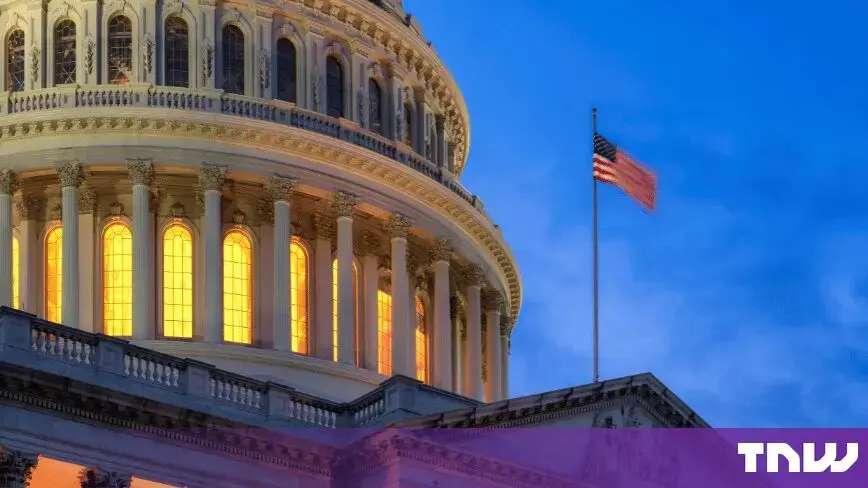
The AI Revolution in Lawmaking: What’s Driving This Change?
Congressional staff and external organizations are increasingly relying on AI tools like Claude and ChatGPT to draft legislation. This trend has led to an overwhelming workload for the House Office of Legislative Counsel, which is responsible for reviewing these drafts. The growing use of AI in creating bills has raised concerns about the quality and accuracy of the legislation being produced. Lawyers in the office are struggling to keep pace with the influx of AI-generated documents, which often require thorough vetting before they can be presented for consideration.
Breaking news
 How Predictive Diagnostics Are Reshaping the Automotive Insurance Ecosystem
 Preparing for the EU AI Act’s Strict Transparency Mandates
 Widespread Firebase SDK Failure Triggers Massive iOS App Crashes
 Former Tesla Engineers Secure Funding for Logistics Automation
The adoption of AI tools in legislative processes is driven by the need for efficiency and speed. Staffers believe that using AI can streamline the drafting process, allowing them to focus on more complex issues. However, this reliance on technology has created a significant backlog. Interviews with eight current and former officials reveal that the volume of AI-generated drafts is far exceeding the capacity of the legislative counsel to review them effectively.
Some staff members express concern over the potential for errors in AI-generated text. One official noted that while AI can produce drafts quickly, it lacks the nuanced understanding of legislative intent that human drafters possess. The risk of introducing flawed or poorly constructed legislation is a pressing concern.
Can Congress Adapt to the AI Challenge?
As the use of AI continues to grow, questions arise about how Congress can adapt to this new reality. Some lawmakers are advocating for better training and resources for legislative staff to manage the influx of AI-generated content. Others suggest that a more structured approach to using AI in drafting could help alleviate the pressure on legal teams.
The implications of this trend are significant. If the quality of legislation suffers due to rushed reviews, the consequences could impact the effectiveness of laws passed. As Congress grapples with these challenges, the future of AI in legislative drafting remains uncertain.
Frequently Asked Questions
How is AI being used in legislative drafting? AI tools like Claude and ChatGPT are utilized by congressional staff to draft bills quickly. This allows for faster processing but raises concerns about accuracy.
What are the main challenges faced by the House Office of Legislative Counsel? The office is overwhelmed by the volume of AI-generated drafts, making it difficult for lawyers to ensure quality and precision in legislation.
What is the outlook for AI in Congress? The future of AI in legislative processes is uncertain. Congress may need to implement new strategies to manage the integration of AI while maintaining legislative integrity.