Code Theft and Authentication Failures
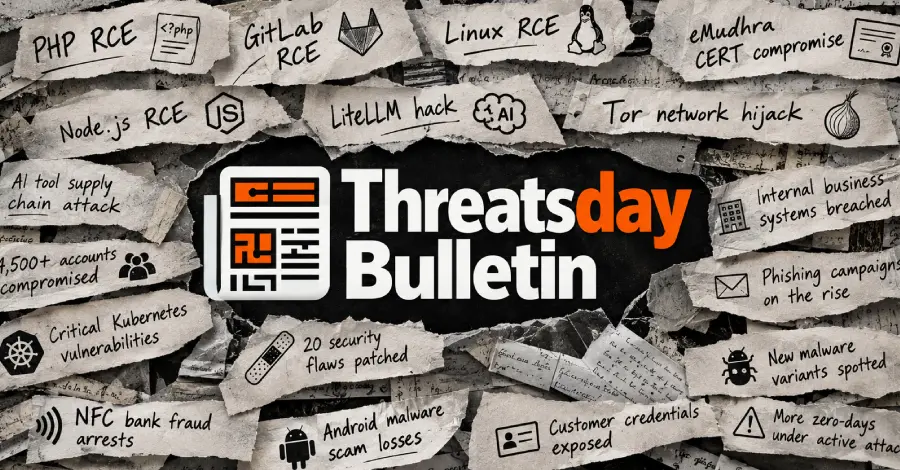
The cybersecurity landscape faced intense pressure this week as multiple critical flaws emerged across major platforms. Attackers exploited remote code execution bugs in PHP and GitLab systems. Simultaneously, significant security gaps appeared in Linux distributions and Node.js environments. These incidents created a complex web of threats that demanded immediate attention from system administrators and developers worldwide. The volume of disclosures overwhelmed many security teams during the first half of the week.
Breaking news
 Samsung Shifts Galaxy Watch Strategy to Two-Year Release Cycle
 Tesla rolls out FSD v15 with major safety upgrade
 Open-Source Tools Challenge AI-Powered Development Platforms
 AI Infrastructure Bottlenecks: Why Release Pipelines Hold Back Fast Clusters
These vulnerabilities represent more than just routine patches. They include compromised digital certificates from e Mudhra, which affected trust chains for numerous applications. A hacked release of LiteLLM allowed malicious code to enter development pipelines easily. Additionally, hundreds of Tor relays were hijacked, potentially exposing anonymous users to tracking risks. The combination of these events highlights how interconnected modern software infrastructure has become. One failure often triggers a cascade of secondary issues across different layers of the network stack.
PingCAP researchers disclosed the theft of source code, raising concerns about proprietary logic exposure. This incident occurred alongside a critical authentication bypass flaw in the popular Laravel framework. The Laravel bug allowed attackers to access protected areas without valid credentials. Meanwhile, Signal users discovered a specific hang-up mechanism flaw that could leak metadata during call termination. These issues affect widely used tools, meaning millions of users and organizations required urgent updates. Developers scrambled to verify their dependencies against the newly published advisories.
Why Do So Many Flaws Appear Simultaneously?
The AI sector also suffered a notable data leak. Sensitive information regarding artificial intelligence models was exposed, providing competitors and attackers valuable insights into model architecture. This breach underscores the growing risk associated with storing large datasets in cloud environments. Security experts noted that the leaked data included training parameters and internal documentation. Such details can significantly reduce the effort required to reverse-engineer or attack AI systems.
The concentration of high-severity bugs in a single week is unusual but not unprecedented. It reflects the rapid pace of software development and the complexity of modern codebases. Teams often prioritize feature delivery over deep security auditing, leading to overlooked edge cases. Furthermore, supply chain attacks like the LiteLLM hack show how quickly trust can be broken. When a trusted package contains malicious code, the impact spreads rapidly through dependent projects.
Security analysts emphasize that manual review cannot keep up with automated deployment speeds. Organizations must integrate continuous scanning into their development workflows. This approach helps detect anomalies before they reach production environments. The recent Tor relay hijacking also indicates active adversary presence in the background infrastructure. Attackers are probing for weaknesses in anonymity networks, suggesting a shift in threat actor focus.
Frequently Asked Questions
The coming days will likely bring further disclosures as researchers analyze the remaining findings. Organizations should prioritize patching the PHP and GitLab vulnerabilities immediately. They must also rotate any keys or certificates linked to the compromised e Mudhra batch. The sheer volume of threats requires a coordinated response strategy rather than isolated fixes.
How many Tor relays were affected by the hijacking? Hundreds of relays were identified as compromised during the recent scan. These nodes may have logged user traffic or redirected connections to attacker-controlled servers. Users should monitor their network logs for unexpected routing changes.
Does the Laravel authentication bypass allow full admin access? Yes, the flaw permits unauthorized users to bypass login checks entirely. This grants access to sensitive dashboard features and data fields. Patching the framework to the latest version resolves the issue completely.