
Building a New Navigation Infrastructure
Xona, a California-based startup, has secured $250 million in new funding. This capital injection values the company at $2.45 billion. The investment was led by Future Ventures, an entity associated with Steve Jurvetson. The announcement arrived on Thursday, marking a significant step for the firm. Xona is developing a satellite navigation network that operates in low Earth orbit. This technology aims to provide a robust alternative to traditional global positioning systems.
Breaking news
 Samsung Shifts Galaxy Watch Strategy to Two-Year Release Cycle
 Tesla rolls out FSD v15 with major safety upgrade
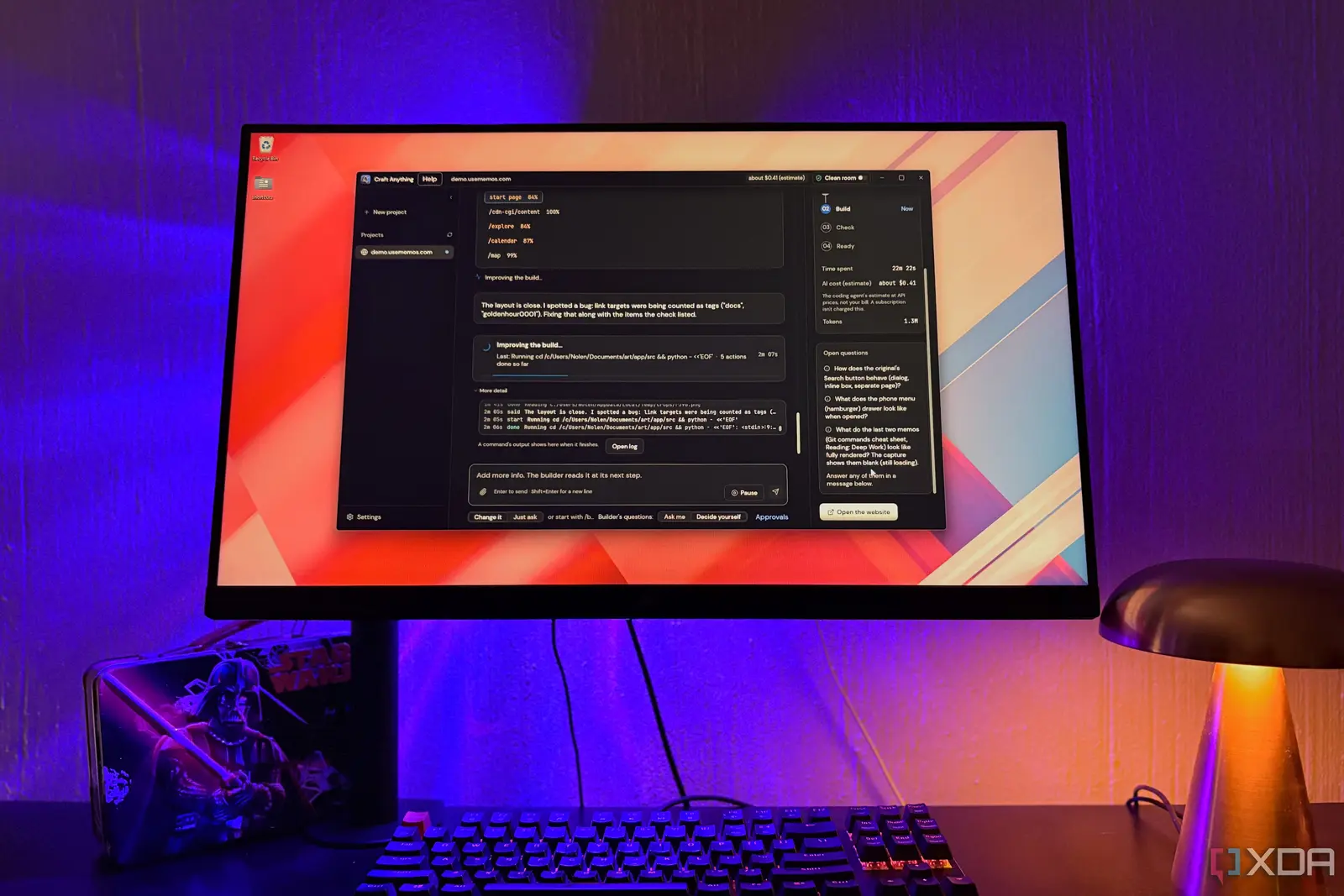 Open-Source Tools Challenge AI-Powered Development Platforms
 AI Infrastructure Bottlenecks: Why Release Pipelines Hold Back Fast Clusters
The new round follows a previous Series C financing of $170 million. That earlier deal closed just seven months ago. Together, these investments push Xona’s total capital raised since 2019 past the $570 million mark. The rapid succession of large funding rounds highlights investor confidence in the startup’s vision. Xona seeks to modernize how devices locate themselves using space-based infrastructure.
Xona is constructing a constellation of satellites positioned in low Earth orbit. Unlike older GPS satellites that circle high above the planet, Xona’s assets fly much closer. This proximity allows for faster signal updates and greater accuracy. The company believes this architecture offers distinct advantages over legacy systems. By bringing the hardware closer to users, Xona can reduce latency. This approach supports emerging applications that demand precise timing and location data.
Why Low Orbit Changes the Game
The technology targets sectors where reliability is critical. Autonomous vehicles, drones, and smart infrastructure all benefit from enhanced positioning. Xona’s system works alongside existing networks rather than replacing them entirely. It provides a complementary layer of precision. Investors see this dual-role strategy as a key differentiator. The company plans to expand its orbital fleet to cover more of the globe.
Why does the altitude of a satellite matter so much for navigation? Standard GPS satellites orbit at medium Earth orbit distances. Signals take longer to travel from such heights. Xona’s low Earth orbit design cuts down this travel time significantly. Faster signals mean quicker fixes for end-users. This speed is essential for real-time tracking and control. It also improves resilience against certain types of interference.
The startup is not alone in exploring this space. However, Xona has attracted substantial backing to lead the charge. The recent funding will likely accelerate manufacturing and deployment efforts. The company must now execute on its promise to launch and maintain the network. Scaling production while ensuring quality remains a major engineering challenge.
Frequently Asked Questions
How much total funding has Xona received? Xona has raised over $570 million in total since 2019. This includes the latest $250 million Series D round. Previous rounds included a $170 million Series C investment.
Who led the latest investment round? Future Ventures led the Series D funding round. The firm is linked to venture capitalist Steve Jurvetson. This leadership signals strong institutional support for Xona’s mission.
What is the primary goal of Xona’s technology? Xona aims to build a satellite navigation network in low Earth orbit. It seeks to offer a high-precision alternative to standard GPS. The system targets industries needing advanced location data.