Performance Capabilities for On-Device AI Processing
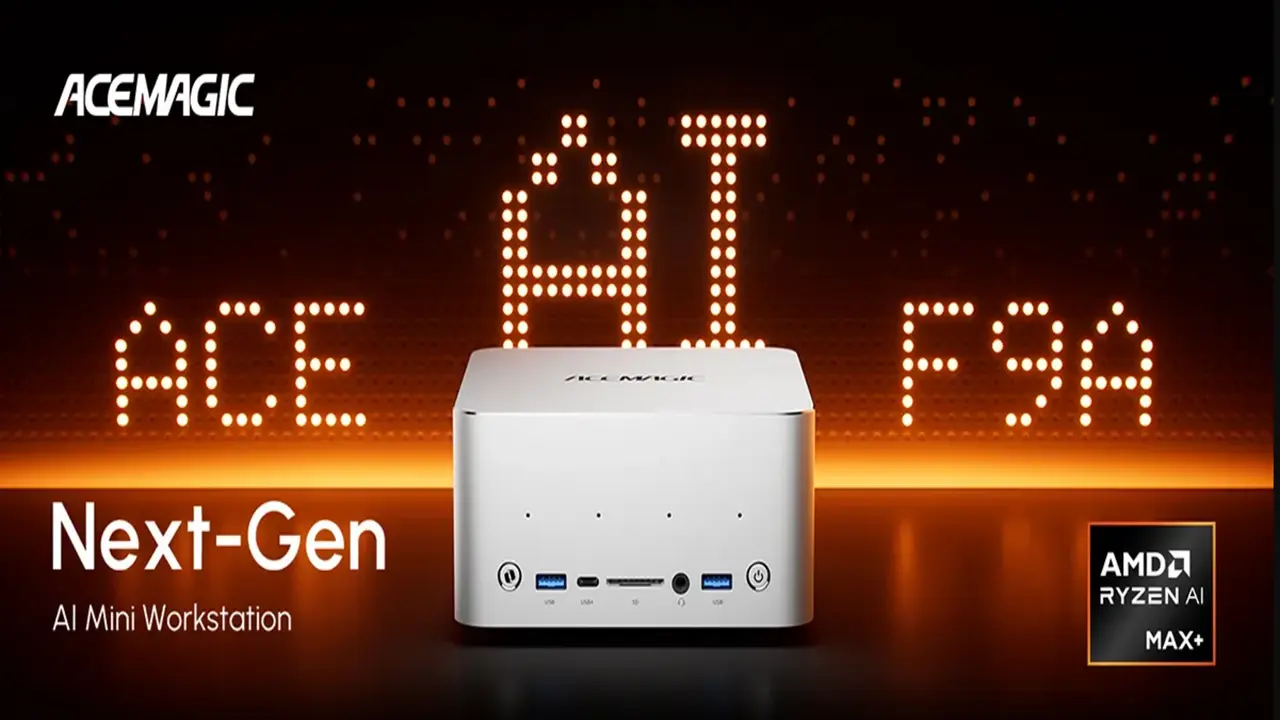
Acemagic, GMKtek, and Framework have unveiled new mini PCs featuring AMD's Ryzen AI Max+ PRO 495 processor, equipped with up to 192GB of RAM and designed to run large AI models locally. Announced in early September 2026, these systems target professionals needing high-performance computing in compact form factors for tasks like AI inference and data analysis.
Breaking news
 Trump Orders Federal Agencies to Adopt „Super Intelligence” Terminology
 The Silicon Valley Accountability Gap
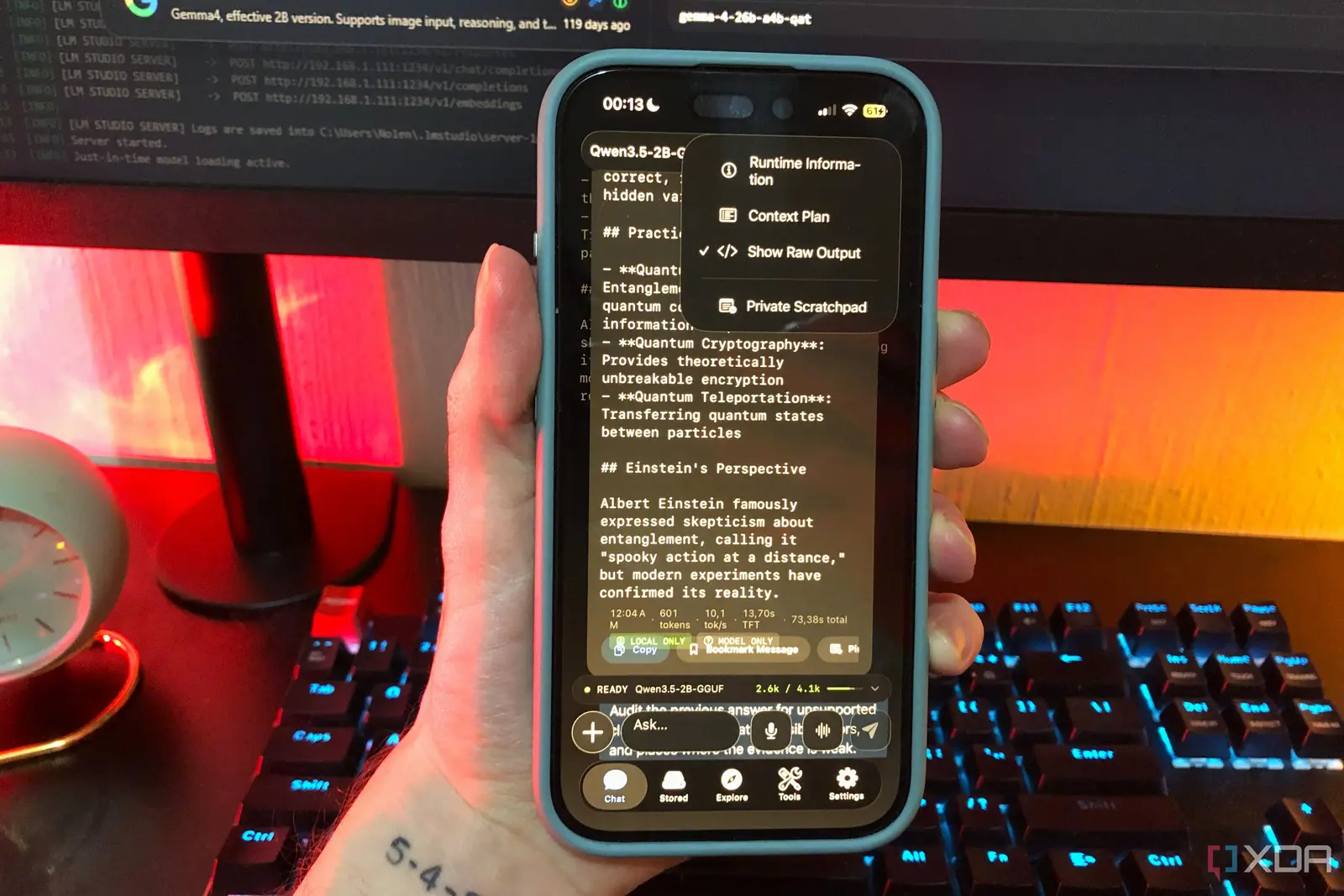 Running a Local AI Model on a Phone Handles Most Chat Prompts
 Google Photos Could Soon Offer a Fresh Start with Ask Photos Feature
The Ryzen AI Max+ PRO 495 integrates CPU, GPU, and a dedicated AI engine on a single chip, enabling efficient handling of demanding workloads without relying on cloud resources. With support for memory configurations far exceeding typical mini PCs, these devices can load and process AI models with hundreds of billions of parameters directly on local hardware. Acemagic emphasizes quiet operation and thermal efficiency, while Framework highlights its modular design for easy upgrades. GMKtek focuses on portability and dual-display support for mobile professionals.
How Do These Systems Compare to Traditional Workstations?
These mini PCs are positioned as localized alternatives to cloud-based AI services, offering reduced latency and enhanced data privacy for sensitive applications. Benchmarks shared by the manufacturers indicate smooth operation when running quantized versions of large language models, image generators, and coding assistants. The unified memory architecture allows the GPU and AI accelerator to access the full RAM pool efficiently, minimizing bottlenecks during complex computations. Users in fields such as scientific research, software development, and digital content creation are expected to benefit most from this level of on-premise AI capability.
While not matching the peak performance of full-sized workstations with discrete GPUs, the Ryzen AI Max+ PRO 495 mini PCs offer a compelling balance of power, size, and energy efficiency. They consume significantly less power than traditional tower systems while delivering comparable AI inference speeds for many professional use cases. The compact footprint also makes them suitable for deployment in space-constrained environments like edge computing stations or mobile labs. Pricing remains premium due to the high memory capacity and specialized processor, reflecting their niche role as portable supercomputers for AI-intensive tasks.
What AI models can these mini PCs run locally? They can handle quantized versions of large language models up to 300 billion parameters, as well as demanding vision and multimodal models, thanks to the 192GB RAM and integrated AI accelerator.
Frequently Asked Questions
Are these systems upgradable? Framework’s model supports user-accessible memory and storage upgrades, while Acemagic and GMKtec units have limited upgradability due to their sealed, compact designs.
Who is the target audience for these devices? The primary users are professionals in AI development, data science, engineering, and creative industries who require powerful, localized computing without relying on remote servers.