
Why 50 Lives? The Threshold Behind the Bill
A new draft bill from AI research firm Anthropic has sparked debate over how the federal government should regulate artificial intelligence. The proposal, unveiled last month, would give regulators the power to block or suspend an AI model if it is deemed capable of causing the deaths of 50 or more people. The bill is currently in the early stages of discussion and has not yet been submitted to Congress.
Breaking news
 Accelerating Manufacturing-Aware Simulations For Photonic Integrated Circuits With FTCO And Digital Twins
 Germany’s data center expansion plan hits climate wall
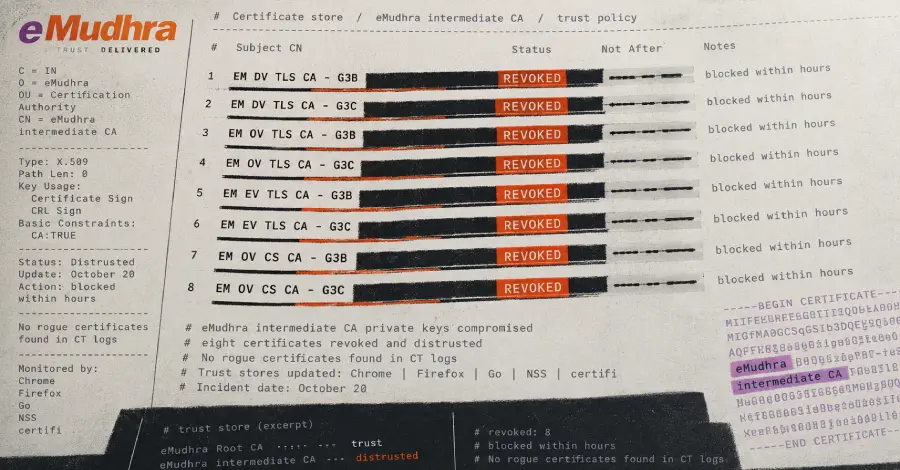 Eight eMudhra CA Keys Compromised, Prompting Emergency Patches Across Browsers
 Berlin AI Travel Platform YGO Secures €8 Million Series A Funding
The draft policy reflects growing concerns about the potential harms of advanced AI systems. Anthropic, known for developing large language models, argues that the threshold of 50 deaths provides a clear, measurable standard for when a model’s risks outweigh its benefits. The proposal also calls for mandatory safety testing, independent audits, and a public registry of high‑risk AI products. Anthropic’s team believes that a formal legal framework will encourage responsible innovation while protecting citizens from catastrophic failures.
Anthropic’s choice of 50 deaths as a trigger point is rooted in its internal risk assessment framework. The company says that a model capable of causing 50 or more fatalities represents a significant societal threat that cannot be mitigated through voluntary safeguards alone. The threshold is designed to be high enough to avoid over‑regulation of everyday AI tools, yet low enough to capture truly dangerous systems. Critics argue that the number is arbitrary and could lead to inconsistent enforcement. Supporters contend that a clear numeric standard will make regulatory decisions more transparent and predictable.
Can Regulators Enforce the Bill? A Question of Authority
The bill also requires that any model approaching the 50‑death threshold undergo a rigorous review by a federal panel of experts. The panel would assess the model’s training data, architecture, and deployment plans. If the panel determines the risk is unacceptable, the model would be barred from commercial use until it meets stricter safety criteria. This process aims to prevent „run‑away” AI that could cause widespread harm.
Will federal agencies actually have the power to enforce Anthropic’s proposal? The bill’s language grants the Department of Commerce and the Federal Trade Commission the authority to issue orders that suspend or ban AI models. However, the proposal also includes a sunset clause, requiring periodic review of the threshold and enforcement mechanisms. Some lawmakers worry that the bill could clash with existing intellectual property and antitrust laws, potentially creating legal gray areas. Others see it as a necessary step to keep pace with rapid AI development.
Anthropic has reached out to lawmakers across the aisle, emphasizing that the bill is a collaborative effort rather than a partisan initiative. The company says it is open to feedback and willing to adjust the threshold or enforcement procedures based on congressional input. The next phase will involve a public comment period, during which industry stakeholders and the general public can weigh in on the proposal’s feasibility and fairness.
The potential consequences of adopting this bill are significant. If passed, it could set a precedent for other technology sectors, establishing a model for how to balance innovation with public safety. It could also influence international AI regulation, as other countries look to the United States for guidance. Conversely, if the bill stalls, the industry may continue to rely on self‑regulation, which some experts argue is insufficient to prevent large‑scale harm.
Frequently Asked Questions
What happens if a model is found to be capable of causing 50 or more deaths? Regulators would issue an order to suspend or ban the model until it meets enhanced safety standards. The model could only resume operation after a thorough review and approval.
Will the bill affect all AI products or only specific types? The bill targets high‑risk AI systems, particularly those that can influence public safety, health, or critical infrastructure. Everyday consumer AI tools would not be subject to the same restrictions unless they pose a comparable threat.
How will the 50‑death threshold be determined? The threshold is based on risk assessments conducted by independent experts. The bill requires transparent reporting of how the number was calculated and allows for adjustments through legislative review.