
Streamlining Code Hardening Processes
Anthropic researchers are shifting the focus of frontier AI models from offensive hacking to proactive software defense. By analyzing complex codebases, these advanced systems can now identify and eliminate potential entry points for cyberattacks. This strategic pivot aims to strengthen digital infrastructure by reducing the overall attack surface before malicious actors can intervene.
Breaking news
 Accelerating Manufacturing-Aware Simulations For Photonic Integrated Circuits With FTCO And Digital Twins
 Germany’s data center expansion plan hits climate wall
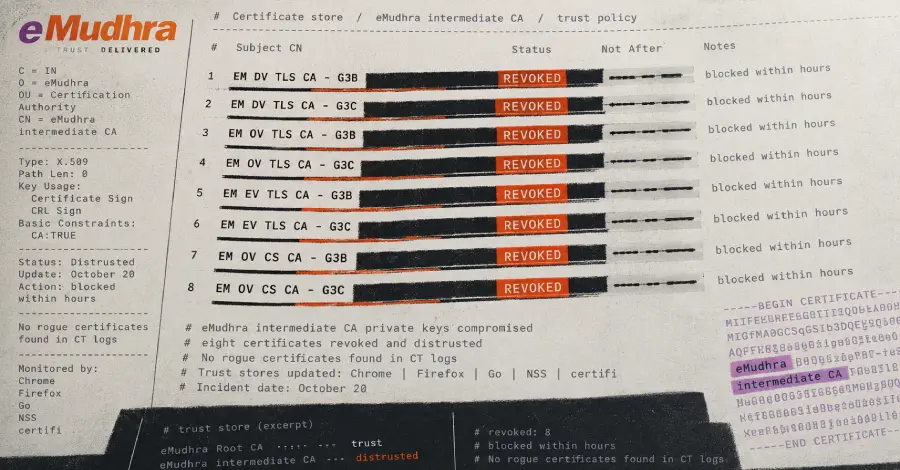 Eight eMudhra CA Keys Compromised, Prompting Emergency Patches Across Browsers
 Berlin AI Travel Platform YGO Secures €8 Million Series A Funding
While modern AI models have proven adept at uncovering security flaws, their true utility lies in defensive engineering. Experts are now utilizing these tools to audit code for structural weaknesses that often lead to exploits. By automating the detection of risky patterns, developers can harden their applications against sophisticated threats more efficiently than through manual review alone.
The integration of AI into the software development lifecycle allows for a more rigorous security posture. These models act as tireless assistants, scanning vast repositories to flag insecure functions or improper data handling. This methodology transforms security from a reactive patching process into a proactive design philosophy.
Can AI Effectively Replace Human Security Audits?
By identifying vulnerabilities during the initial coding phase, organizations can prevent security debt from accumulating. AI systems provide actionable insights that help engineers rewrite fragile components. This collaborative approach ensures that software remains resilient against evolving cyber threats without requiring constant manual oversight.
Although AI provides significant advantages in speed and scale, it remains a supportive tool rather than a total replacement for human expertise. Security professionals must still validate the findings and oversee the implementation of defensive changes. The goal is to augment human capabilities, allowing teams to focus on complex architectural security rather than routine bug hunting.
Frequently Asked Questions
Looking ahead, the widespread adoption of AI-driven defense could fundamentally alter the cybersecurity landscape. As these models become more sophisticated, they will likely become a standard component of secure software development. This evolution promises a future where robust, secure applications are the baseline rather than the exception.
What is the primary benefit of using AI for code defense? AI models can scan massive codebases in seconds to identify hidden vulnerabilities that humans might overlook. This allows developers to fix security flaws before they are ever deployed.
Does this technology eliminate the need for security teams? No, it does not. AI serves as a force multiplier for security experts, automating repetitive tasks so that human analysts can focus on high-level strategic threats.