Strategic Focus on Essential Services
OpenAI President Greg Brockman unveiled a major new initiative on Thursday during a live keynote address. The program, named Daybreak for Frontline Defenders, targets organizations that maintain essential public services. This global effort aims to deploy advanced artificial intelligence tools specifically for cyber defense. The announcement marks a significant expansion of OpenAI’s existing security frameworks. By focusing on frontline workers, the company seeks to modernize how critical systems are protected against digital threats.
Breaking news
 Accelerating Manufacturing-Aware Simulations For Photonic Integrated Circuits With FTCO And Digital Twins
 Germany’s data center expansion plan hits climate wall
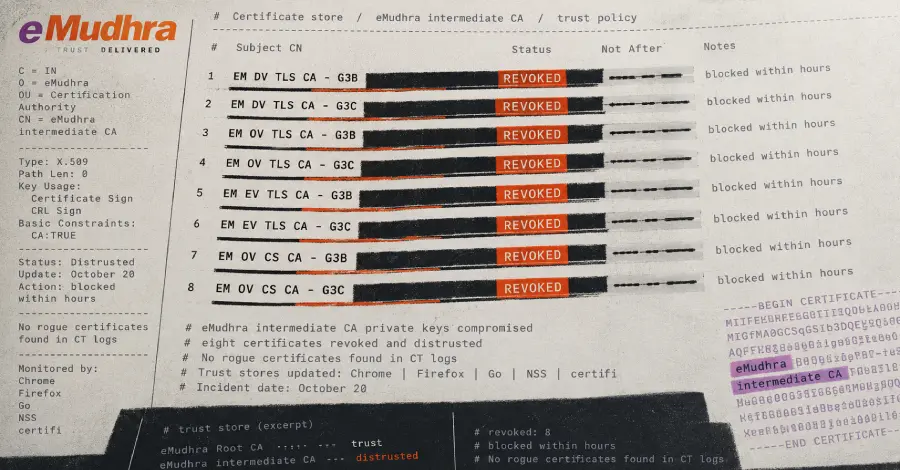 Eight eMudhra CA Keys Compromised, Prompting Emergency Patches Across Browsers
 Berlin AI Travel Platform YGO Secures €8 Million Series A Funding
The initiative builds upon OpenAI’s current Daybreak platform, which functions as a governed cyber defense stack. This new layer directs resources toward those who operate in high-risk environments daily. The goal is to bridge the gap between complex AI capabilities and practical, on-the-ground security needs. By integrating frontier models into daily operations, the program intends to reduce human error and response times. This approach allows defenders to anticipate attacks before they cause widespread disruption to society.
The new program prioritizes sectors where downtime carries severe consequences for the public. Power grids, water treatment facilities, and banking institutions sit at the core of this strategy. These industries face increasing pressure from sophisticated cyber actors who exploit vulnerabilities in legacy systems. OpenAI believes that standardizing AI-driven defenses can create a unified shield across these diverse networks. The company emphasizes that governance remains central to the process. This ensures that AI decisions remain transparent and aligned with human oversight protocols.
Why Critical Sectors Need AI Now
Frontline defenders often lack the time or specialized expertise to manage complex AI models independently. Daybreak for Frontline Defenders addresses this challenge by providing pre-configured, secure tools. These instruments are designed to integrate seamlessly with existing infrastructure without requiring massive overhauls. The initiative encourages collaboration between tech providers and industry veterans. By sharing best practices, participants can accelerate their own defensive capabilities. This collective approach strengthens the overall resilience of the digital ecosystem.
The urgency behind this launch stems from the rising frequency of cyberattacks on physical infrastructure. Recent incidents have demonstrated how quickly a single breach can cascade into real-world outages. Banking systems, for instance, must maintain constant uptime to prevent financial chaos. Water utilities rely on stable networks to ensure safe distribution to millions of homes. Power companies face similar risks, where grid failures can leave entire regions in darkness. OpenAI argues that traditional security methods are no longer sufficient against modern threats.
The deployment of frontier AI allows for continuous monitoring and adaptive responses. These systems can detect anomalies faster than human analysts alone. They can also simulate potential attack vectors to test system weaknesses proactively. This shift from reactive to proactive defense is a key component of the new program. By automating routine tasks, the initiative frees up skilled personnel to focus on strategic decision-making. The result is a more agile and robust defense posture for essential services.
Frequently Asked Questions
Who leads the new Daybreak initiative? Greg Brockman, the president of OpenAI, announced the program. He presented the details during a livestreamed keynote event on Thursday.
Which industries does the program target? The initiative focuses on power, water, and banking sectors. These areas are considered essential for maintaining daily societal functions.
How does this differ from previous efforts? This expansion specifically targets frontline defenders using frontier AI. It builds on the existing governed cyber defense stack to provide more practical tools.