National Security Concerns Drive Swift Action
The US Department of Homeland Security has ordered all federal agencies to immediately remove DeepSeek products and services from their systems. The directive, signed by Secretary Kristi Noem, requires agencies to purge the Chinese AI company's software within 30 days, marking a significant escalation in Washington's tech security stance.
Breaking news
 Accelerating Manufacturing-Aware Simulations For Photonic Integrated Circuits With FTCO And Digital Twins
 Germany’s data center expansion plan hits climate wall
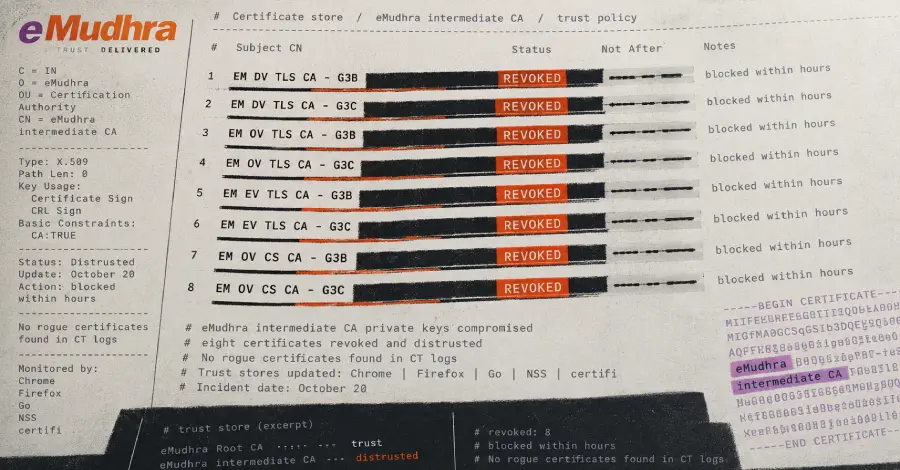 Eight eMudhra CA Keys Compromised, Prompting Emergency Patches Across Browsers
 Berlin AI Travel Platform YGO Secures €8 Million Series A Funding
The ban reflects growing concerns about foreign influence over critical government infrastructure and data security. DeepSeek, which has rapidly gained attention for its advanced language models that rival those developed by American companies, now faces exclusion from the lucrative US public sector market. The move signals heightened scrutiny of AI supply chains and potential national security risks associated with foreign-developed artificial intelligence technologies.
Government officials cited classified intelligence assessments indicating potential vulnerabilities in DeepSeek's technology infrastructure. The 30-day compliance window allows agencies to identify existing integrations and develop replacement strategies. Cybersecurity experts note that federal systems often contain sensitive personal data and operational information that could be compromised through foreign software dependencies.
How Will This Affect Broader AI Development?
The decision comes as DeepSeek continues advancing its model capabilities, recently releasing updates that reportedly match or exceed performance benchmarks set by leading US AI laboratories. Despite these technical achievements, national security advisors determined that the risks of continued federal usage outweighed any operational benefits.
Industry analysts expect the ban to influence private sector procurement decisions and international partnerships. Technology companies are likely reviewing their own vendor relationships with Chinese AI providers, potentially creating ripple effects throughout global supply chains. The federal government's stance may also prompt congressional action on broader AI security legislation.
Market observers note that DeepSeek's exclusion from US government contracts represents a substantial revenue loss, though the company maintains strong positions in other international markets. Meanwhile, American AI developers could benefit from reduced foreign competition in federal contracting opportunities.
The ban underscores an evolving landscape where AI capabilities increasingly intersect with geopolitical tensions. As nations prioritize technological sovereignty, companies developing cross-border AI solutions face mounting regulatory challenges. Future policy developments will likely determine whether similar restrictions expand beyond federal agencies to encompass critical infrastructure operators and private enterprises handling sensitive data.
Frequently Asked Questions
What specific DeepSeek products are banned? The order prohibits all DeepSeek products and services, including AI models, APIs, and cloud-based offerings currently integrated into federal systems.
How are agencies expected to comply? Organizations must inventory existing DeepSeek implementations and complete removal within 30 days, documenting their replacement strategies for oversight bodies.
Will this impact other Chinese AI companies? While the current directive targets DeepSeek specifically, cybersecurity officials indicated similar reviews are underway for other foreign AI providers accessing government networks.